




News Green steel CBAM 848 13 May 2026
The actual impact of the mechanism on Ukraine is significantly worse than the European Commission had forecast (-0.01% of GDP)
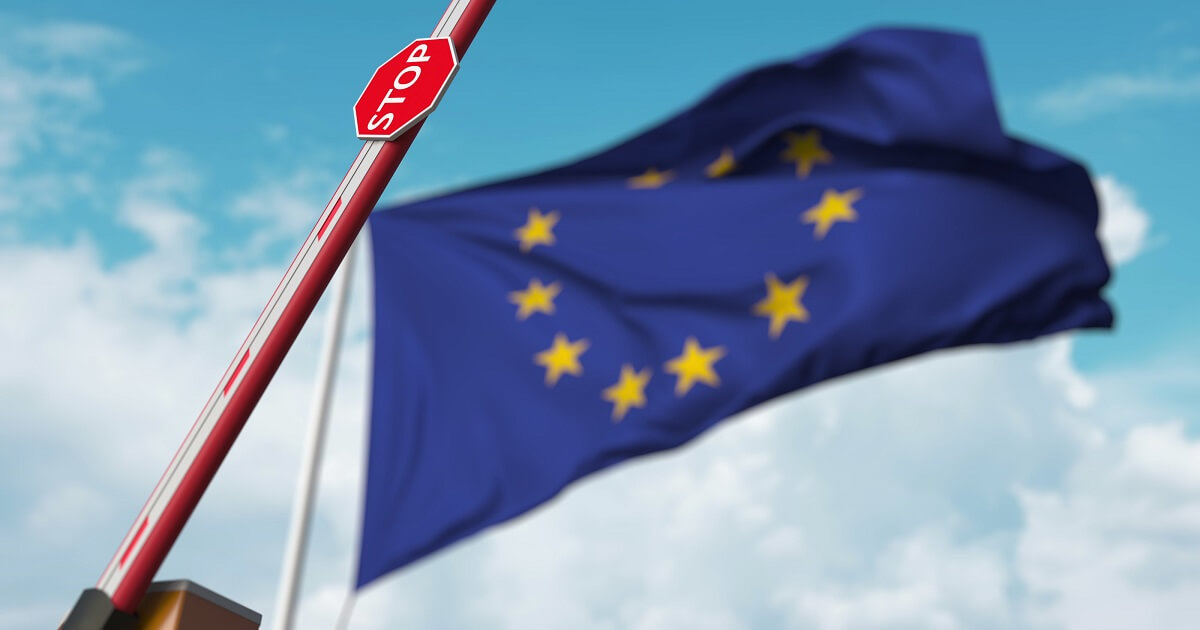
The Ukrainian Union of Industrialists and Entrepreneurs (UUIE), Ukrmetallurgprom, the Union of Chemists of Ukraine, the Ukrcement Association, and the All-Ukrainian Union of Building Materials Manufacturers have appealed to European Commission President Ursula von der Leyen, calling for a special approach to the application of the Carbon Border Adjustment Mechanism (CBAM) with regard to Ukraine. This is stated in a press release from the USPP.
In their appeal, representatives of Ukrainian industry emphasize that starting January 1, 2026, the EU will transition to a full-scale CBAM financial regime, which provides for the taxation of the carbon footprint of imported products. The mechanism applies, in particular, to steel, cement, fertilizers, aluminum, and electricity—the very sectors that account for a significant portion of Ukraine’s exports to the European Union.
The authors of the appeal emphasize that Ukrainian enterprises are forced to adapt to new environmental requirements amid a full-scale war, the destruction of energy and industrial infrastructure, electricity shortages, logistical constraints, and labor shortages due to mobilization.
Key indicators and risks:
- Steel industry: production of iron ore and metal products in 2024 remained 40% below pre-war levels; currently, only 7 out of 13 blast furnaces are operational.
- Chemical industry: nitrogen fertilizer production fell by two-thirds between 2021 and 2025, with most plants idle.
- Impact on GDP: the European Commission’s estimates of a limited impact (0.01% of GDP) do not account for wartime realities. According to the GMK Center, Ukraine could lose 2.1% of its GDP by 2030 in the steel sector alone as a result of the mechanism.
Given that Ukraine’s GDP already contracted by 1.2% in January–February of this year, and defense spending accounts for 31% of the budget, the losses from the rapid implementation of the CBAM will be critical.
Particular attention has been paid to the risk of applying so-called “default” CO2 emission benchmarks. Business associations argue that the parameters proposed by the European Commission significantly exceed the actual emissions of Ukrainian plants, which will lead to an unjustified increase in payments.
There are also significant technical obstacles to conducting environmental verification, as many enterprises are located in frontline regions and are under constant shelling.
Business associations propose applying a special procedure to Ukraine in accordance with Article 30.7 of EU Regulation 2023/956 and providing for a transition period. Key requirements include:
- The ability to use verified actual emissions data from enterprises.
- Strengthening technical and institutional support for Ukraine in the area of monitoring.
Ukrainian industry remains committed to the EU’s climate goals, but emphasizes that implementing the CBAM without taking the war into account could undermine the country’s economic stability and complicate its post-war recovery.
As reported by GMK Center, following the introduction of CBAM, Ukrainian steelmakers lost over 1.1 million tons of export orders for steel products from the EU as early as the first quarter. Due to the near-total loss of the European market as a result of additional CBAM payments, ArcelorMittal Kryvyi Rih has already reduced its production capacity—a foundry and mechanical plant, as well as a blooming mill—and cut 3,400 jobs at these facilities.
-

Opinions Industry macroeconomics
28 May 2026
17 May 2026

11 May 2026
06 May 2026