




How mining industry can impact Ukraine’s recovery and economic renewal

Provided that funding is secured for a number of investment projects, Ukraine will be able to export between 20 and 25 million tons of DR pellets
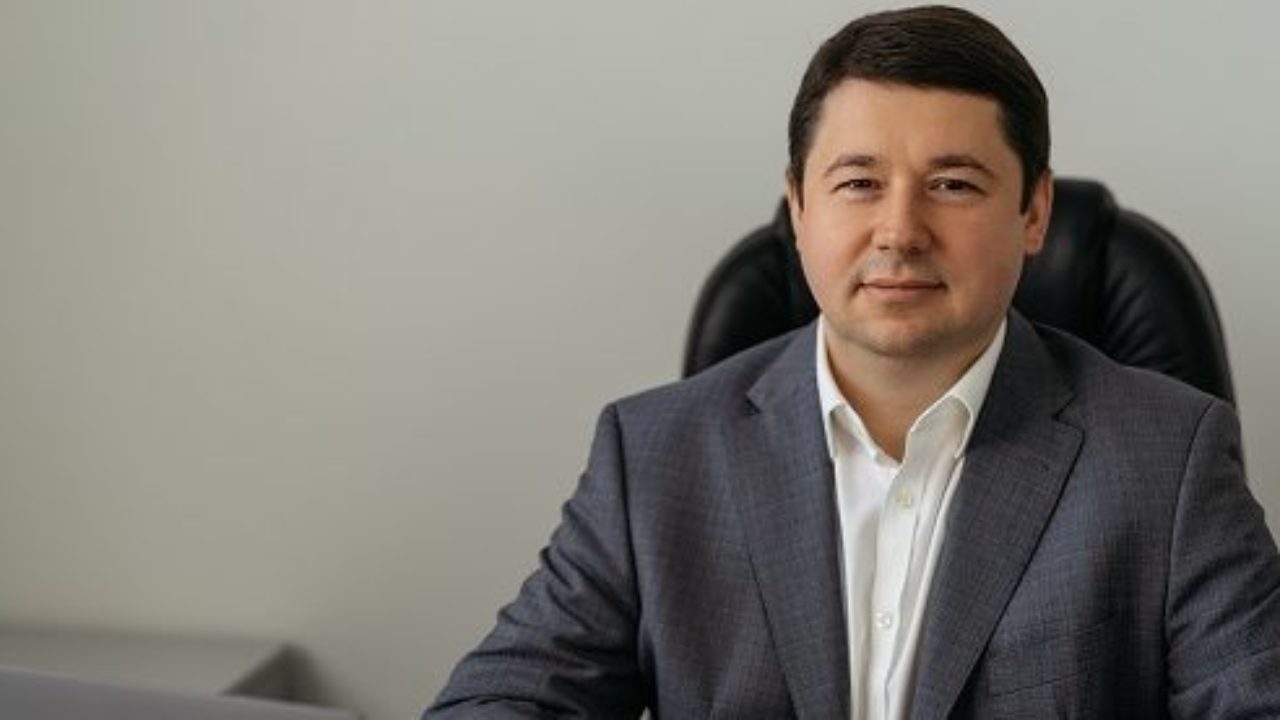
This material is based on a speech by Stanislav Zinchenko, CEO of GMK Center, at the Resourcing Tomorrow conference during the round table discussion «The Mining Sector’s Role in Reconstruction and Economic Renewal of Ukraine».
Ukraine is ready to support the EU’s green transition in the steel industry if it has access to cheap investments. This is a serious task for the government – to ensure an attractive investment climate after the war and attract cheap international financing.
Why is this important? Because the mining industry plays a key role in Ukraine’s economic recovery!
Here are three main factors in the role of the mining industry in Ukraine’s economic renewal:
- Engine of investment and technology. Modernization of the industry will require significant foreign investment and advanced technologies. This will contribute to the overall technological development of the country and the creation of highly skilled jobs.
- Regional development and logistics development. The revitalization of mining activities will stimulate economic growth in the regions and contribute to the development of the relevant transport and energy infrastructure.
- Fiscal potential. A revitalized and transparent mining sector could become a major source of tax revenue for the state budget, which is used to finance social programs and infrastructure projects.
Green transition and iron ore potential
Ukraine ranks fifth in the world in terms of iron ore reserves. According to the USGS, we have 6.5 billion tons, which is almost 3.5% of global reserves.
The European steel industry has chosen DRI-EAF as the main path to decarbonization, so the potential shortage of iron ore raw materials is a serious obstacle to the green transition. Russia and Brazil are the main potential suppliers to the EU, which poses risks to supply.
Ukraine has a significant advantage. Our iron ore reserves are mainly composed of magnetite quartzites. The ore can be effectively enriched to a high-quality concentrate with an iron content of 67-68%. This is the quality required for DRI production, known as DR-grade.
Recognizing this opportunity, Ukrainian companies have announced a number of investment projects to increase DR iron ore production:
- Ferrexpo is ready to produce large volumes and was already the world’s third-largest exporter of DR pellets.
- Metinvest plans to increase its iron ore concentrate production capacity to 19 million tons.
- ArcelorMittal Kryvyi Rih’s project to build a 5 million tonne pellet plant has been put on hold due to the war. We are confident that when conditions become favorable, the company will resume its implementation.
- The Canadian BlackIron project has also been frozen due to the war. Once the war ends, the investment boom in Ukraine may breathe new life into this large-scale project.
- Before the war, a project to build a DR pellet production facility at the Southern Mining was also announced.
If the projects are successfully implemented, Ukraine will be able to export 20 to 25 million tons of iron ore products to European green steel production plants. This volume could meet up to 60% of the European Union’s total demand.
Ukraine offers a direct solution to the problem of raw material shortages. We can help accelerate the green transition and ensure the competitiveness of the European steel industry.
Critical dependence and ferroalloy potential
Ukraine ranks third in the world in terms of manganese ore reserves after South Africa and Brazil. Our country has 140 million tons of proven reserves, which is 10% of all manganese reserves in the world.
Why should Europe be interested in this? The European Union imports 100% of the manganese ore it needs, which is a critical dependency. Manganese ore is necessary for the production of ferroalloys, without which it is impossible to produce steel.
Since the ferroalloy and steelmaking industries are of strategic importance to the EU economy, this reinforces Ukraine’s importance as a partner. Ukraine’s manganese reserves can help ensure the resource security of the European steel industry. In this way, we are strengthening Europe’s overall industrial base and resilience.
Brief conclusions
An important factor is that Ukraine will join the European Union by 2030. The development of the mining industry in Ukraine and investments in enrichment technologies are investments in the EU mining industry.
The second factor is that all ore reserves for steel production have been explored and confirmed, and the companies that extract and enrich them were actively investing in development before the war. These are brownfield sites – existing production sites without investment risks or delays due to the need for exploration, obtaining permits, building infrastructure, and logistics.
Investments in the mining sector support the development of logistics infrastructure and machine building in Ukraine, ensuring economic recovery in the post-war period.

-
OpinionsIndustrysteel consumption
13 July 2026

13 July 2026
11 June 2026
28 May 2026