




Posts Global Market import 1921 17 July 2025
The domestic market, particularly the long-rolled steel segment, is vulnerable to imports
The current year has intensified the regionalization of global steel trade. The strengthening of protective measures in key markets is leading to changes in global trade flows and shifts in import patterns. This factor is also affecting the Ukrainian steel products market, particularly the long products segment. The situation for domestic steelmakers will be significantly complicated by the radical European CBAM, which will be fully implemented in January 2026. This is stated in a new study by GMK Center.
Protective measures and CBAM
This year, protective measures have been introduced or strengthened in all key steel product markets: the US, the EU, and India. Southeast Asian countries and Turkey are also actively working in this direction. As a result, steel is moving towards markets that remain open to imports.
In particular, the United States has raised tariffs on steel imports to 50% since June. The EU has tightened restrictions on tariff quotas this year. According to government estimates, India could halve its steel imports by 2025 thanks to its protective measures. In April, the country introduced a temporary 12% protective duty on certain steel products, and the feasibility of increasing it to 25% is currently being considered.
These measures could potentially lead to a total reduction in global market demand of 14-18 million tons. With exports from China on the rise, they could have a destructive impact on markets that don’t have the right trade barriers.
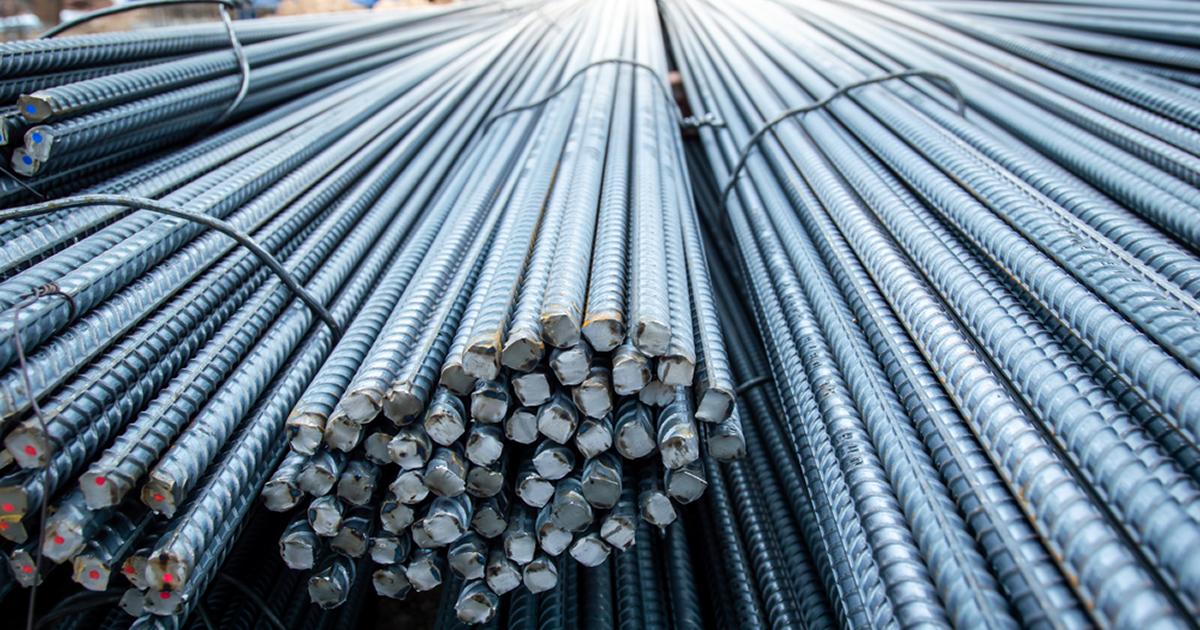
In addition, the final implementation of the Carbon Border Adjustment Mechanism (CBAM) in 2026 will drive oxygen-converter steel out of the EU market. Electric steel mills, which have four times lower emissions, will gain a competitive advantage. This is especially true for long products.
In the European Union, 85% of long products production capacity is associated with EAFs, with a utilization rate of about 70%. Therefore, electric steel producers in the bloc have the opportunity to increase production of these products by 3-4 million tons and replace imports of oxygen converter steel.
In 2030, CBAM payments for long products manufactured using blast furnace-converter technology may exceed $200/t, which will make it impossible to continue supplying them from Ukraine and other countries to the European market.
In turn, the introduction of similar national instruments is already being considered by the US, Canada, the UK, Australia, and Norway. Therefore, the number of unprotected markets will decrease, and import pressure on them will increase.
shutterstock.com
A vulnerable market
The Ukrainian steel industry is vulnerable to changes in trade flows. Not only are exports of long products from the country under threat, but also sales of these products on the domestic market.
Traditionally, the share of imports in this segment has not been high. In particular, during 2023-2024, it amounted to 1.5-1.6%. In the first five months of 2025, the share of imports in consumption was 3.2%. However, current geopolitical risks may lead to further growth in foreign supplies. The destructive impact will manifest itself not only in the replacement of local production volumes, but also in pressure on prices. Foreign manufacturers are able to offer products at a lower cost, having certain “trump cards.”
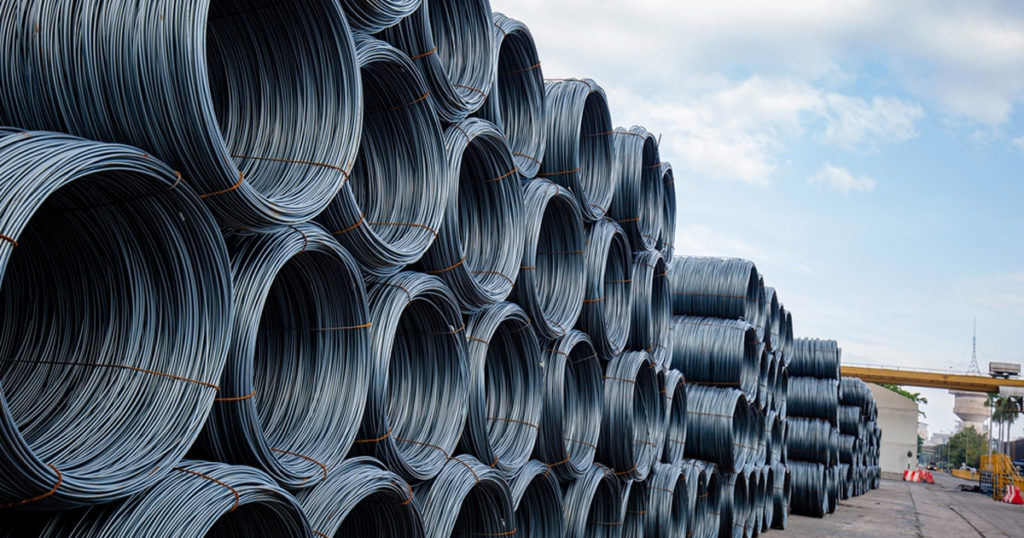
Currently, there are only two anti-dumping measures in place for imports of long rolled products to Ukraine – against bars from Belarus and Moldova. Large global players, such as Turkey and China, are not subject to any restrictions. At the same time, in January-May of this year, 99.8% of the rebar imported into the country came from Turkey, and 98.8% of wire rod came from China.
Unequal conditions
Turkey’s competitive advantages are due to its cooperation with Russia. The country did not support the sanctions imposed on Russia for its military aggression against Ukraine. Therefore, Turkish companies have not restricted their cooperation with Russian suppliers, in particular, importing square billets from there (+33.3% y/y for the first five months of 2025). At the same time, Russians are able to offer discounts due to reputational risks for customers and low production costs. According to GMK Center estimates, the difference between Russian and average market prices for this product is at least $40/t.
Turkish producers also benefit from access to cheap Russian energy resources, thanks to which electricity and gas prices in this country are significantly lower than in Ukraine.
At the same time, China’s non-market practices support record high steel exports from this country. In 2024, they reached 110 million tons, and in the first five months of 2025, they grew by 9% year-on-year – to 48.47 million tons.
Steel overproduction in China will remain a trend for the next 3-5 years. Reducing it is a challenge for the authorities and requires restructuring the industry to reduce excess capacity. However, under a planned economy, these processes are inefficient. Therefore, local producers are forced to increase exports and use aggressive pricing policies in search of foreign markets.
China’s share of the EU market is insignificant. However, by increasing pressure on the markets of neighboring Asian countries, the PRC indirectly influences prices in the European region.
Chinese producers continue to maintain high production levels even when about half of their factories are operating at a loss, and they are able to offer the lowest prices thanks to state support.
It is difficult for Ukrainian producers to compete with imports produced under different economic and security conditions. Domestic wire rod and rebar production capacities (ArcelorMittal Kryvyi Rih, Kametstal) are currently only 55% utilized.
In the fourth year of full-scale invasion, Ukrainian steelmakers are facing major challenges – expensive electricity and logistics, fierce competition not only from Asian producers but also from Russian products, staff shortages, the need to import coking coal, trade barriers, etc.
Amid these problems, the continued influx of imports into Ukraine carries the risk of halting production and investment projects. Such trends are already being observed in the EU, where between 2023 and 2025 this has led to the closure or bankruptcy of a number of enterprises and delays in decarbonization initiatives. In addition, the issue of the competitiveness of the Ukrainian steel industry will remain on the agenda even after the war ends.

-
OpinionsGlobal Marketsteel consumption
13 July 2026

14 July 2026
16 June 2026
10 June 2026