




Opinions State Ukraine’s economy 872 22 September 2025
One of the current positives is that during the war, Ukraine has become one of the world leaders in defense innovation
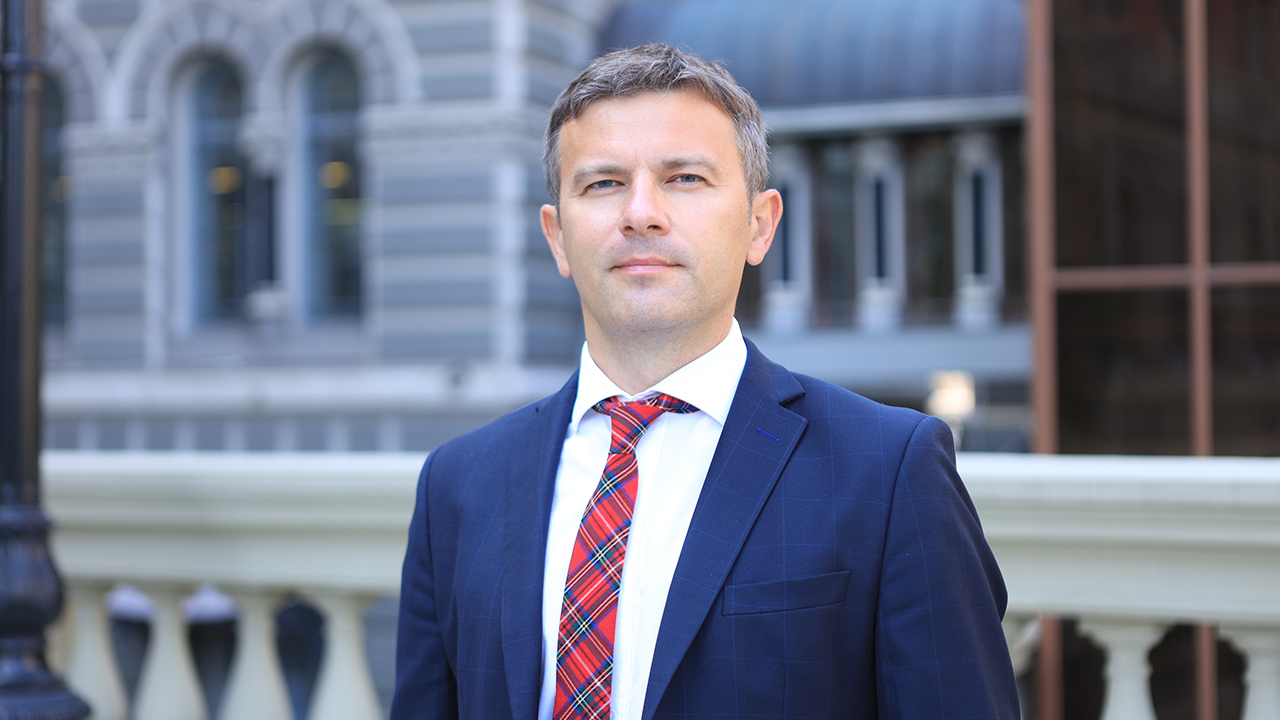
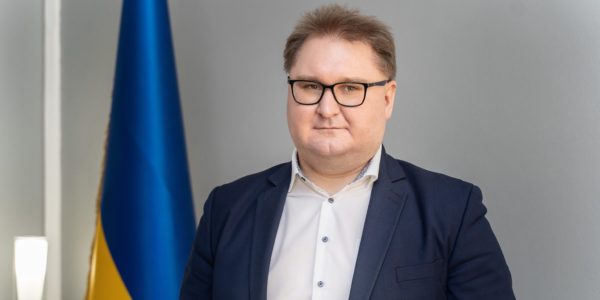
During an online event titled “Has the Ukrainian economy hit the ceiling?” organized by the Center for Economic Strategy, First Deputy Governor of the NBU Serhiy Nikolaychuk revealed the central bank’s vision of the Ukrainian economy’s potential during the war. He explained why the concept of a “ceiling” is flawed, how war simultaneously destroys and stimulates the economy, and why the NBU is not ready to accelerate growth through inflation. GMK Center summarizes the main points of his speech.
On the concept of potential GDP
When we talk about long-term sustainable growth of the Ukrainian economy, it is primarily determined by factors that affect potential GDP. For the NBU, this is an important indicator for conducting its monetary policy, because depending on where we see the cycle of economic activity, we adjust our decisions in the field of monetary policy accordingly.
I don’t really like the comparison with a “ceiling” because it’s something very static, immovable. In our case, when we talk about potential GDP, we take into account the fact that this potential GDP can grow, but it can also fall significantly, as happened in 2022 as a result of the full-scale invasion.
In addition, in the concept of monetary policy, it is sometimes possible to “jump over” this ceiling, but this option for economic development is usually called overheating of the economy. It is characterized by high inflation rates and ultimately requires cooling, often accompanied by additional negative effects on the financial sector due to the accumulation of imbalances.
The current situation with potential GDP
We currently view potential GDP growth as a balance between two key forces.
On the one hand, there are negative factors due to the full-scale invasion, which reduce potential GDP. Unfortunately, this happens almost every day:
- destruction of production capacity;
- migration and demographic trends towards population decline;
- other factors that, unfortunately, reduce our potential GDP.
On the other hand, positive factors contribute to the growth of potential GDP:
- international support from our partners;
- scientific and technological progress.
In the long term, we are even seeing positive developments during the war. Demand from the security and defense sector is stimulating scientific and technological progress, and in certain sectors and industries, we are now at the forefront of this technological progress. It is very important to make proper use of the technological advantages we have gained as a result of the full-scale war in Ukraine.
Balancing these factors today means that the growth of potential GDP in Ukraine is quite insignificant — certainly less than we would all like, but there are objective reasons for this.
Prospects for increasing potential GDP
We see the main potential for increasing the growth rate of potential GDP in the following areas:
- Normalization of economic conditions, which will significantly unleash productive forces and increase their productivity.
- The European integration process will contribute to improving the efficiency of the Ukrainian economy in many areas, although at the same time it will create significant challenges for many sectors of the economy. Improving the business climate and implementing structural reforms, as international experience shows, has a very positive impact on both productivity and capital inflows. We presented the relevant estimates in our inflation report for January 2024.
- Reforms in the financial sector will enable more efficient use of domestic capital and attract foreign capital for the country’s recovery. Our recently updated financial sector development strategy is aimed at ensuring this efficiency. A significant part of this strategy is now part of the IMF program, which includes a separate section on the development of financial market infrastructure to strengthen economic recovery.
In the context of restoring Ukraine’s economic potential, the implementation of the lending development strategy, which the National Bank developed last year together with other ministries and agencies, is making a significant contribution. The strategy was approved by the Financial Stability Council, and its implementation has greatly contributed, for example, to the stability of our energy sector.
The banking sector has provided financing for an additional 1 GW of energy generation capacity, which is a very powerful driver not only for the energy sector but also for the economy as a whole.
It is also worth mentioning the mortgage lending strategy, the implementation of which in the medium term could make a significant additional contribution to increasing the pace of potential growth.
Focus on supply versus demand
All of the above areas are primarily aimed at increasing supply in the Ukrainian economy in various sectors: energy, construction, etc. They are also aimed at increasing supply by improving economic efficiency.
In this context, we differ somewhat from the position of the Ministry of Economy. In our opinion, the state’s main priorities should be to stimulate this efficiency and create production capacities and opportunities to increase supply, and to a lesser extent to stimulate additional demand. This is especially true in conditions where inflation significantly exceeds our inflation target and requires a certain response and tougher monetary measures.
Forecasts and monetary policy
Our actions will be aimed at bringing inflation to the 5% target within a reasonable time frame. We see an opportunity to reduce inflation to 6.7% as early as next year. The consensus forecast of international analysts today is virtually identical to our estimates of inflation at the end of next year and our ability to achieve 5% inflation in 2027.
We are not convinced that it is necessary to sacrifice the achievement of inflation targets for an additional 0.1 percentage point of economic growth in 2026. We have many examples from global practice and domestic experience where attempts to stimulate economic growth in the short term through monetary measures have ended either in the need for a harsh correction of monetary policy or in economic and financial crises.
If we are talking about long-term sustainable high growth, this can only be achieved with reliable macroeconomic stability. This cannot be achieved if the National Bank ignores inflationary processes and tolerates high inflation. Especially in wartime, additional efforts must be made to maintain confidence in the national currency.

-
OpinionsStatesteel consumption
13 July 2026

23 March 2026
19 December 2025
21 November 2025