




The EC is to consider the impact of CBAM on Ukraine by the end of the year
The European Commission's logic is that CBAM is one of the sources of the EC's own financing
The Carbon Border Adjustment Mechanism (CBAM) is becoming one of the most serious challenges for Ukrainian industry in the context of the war. Despite the fact that the relevant payments will be charged from January 1, 2026, Ukraine still does not have a clear answer from the European Commission regarding the postponement of its implementation or the application of other measures that would mitigate the impact of this mechanism on Ukrainian business.
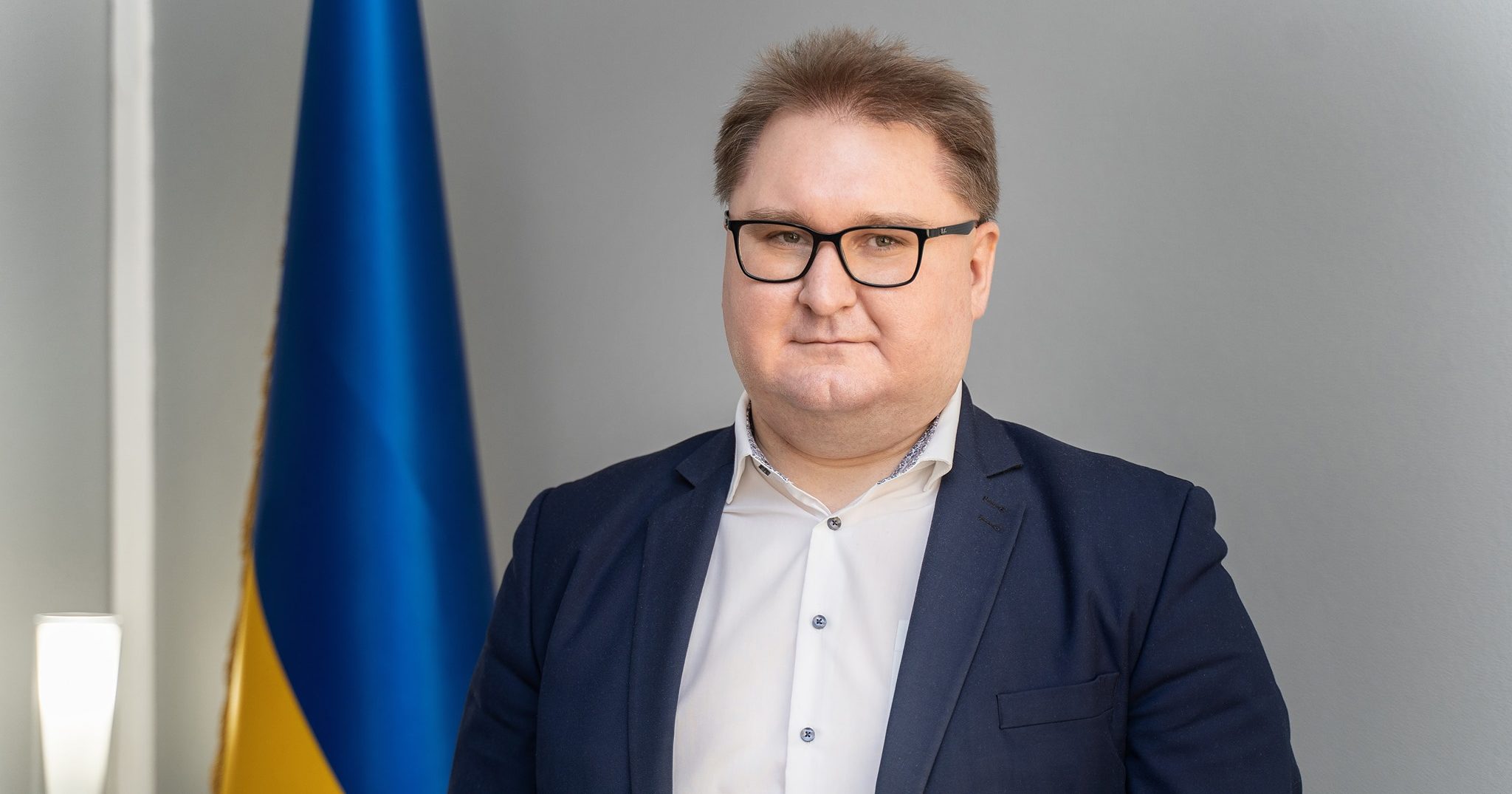
What is the status of this issue, and what can Ukrainian companies expect? This was discussed by Taras Kachka, Deputy Prime Minister for European and Euro-Atlantic Integration, Trade Representative of Ukraine, during his speech at the online event “CBAM: Challenges and Opportunities for Ukrainian Industry,” held by the National Association of Mining Industry of Ukraine. GMK Center presents the main points of his speech.
Current status of negotiations on CBAM
The legal model of the CBAM regulation provides for the possibility of an exemption for Ukraine – without directly naming our country, but effectively for it. We have official confirmation from the European Commission (EC) that the issue of exports from Ukraine will be taken into account during the revision of the CBAM regulation at the end of this year. Thus, a high-level political understanding has been reached.
At the same time, this political understanding is not enough, as we have not yet seen a proposal from the EC. At present, we do not have a complete understanding of the parameters that the European Commission will come up with. In bureaucratic language, the issue is being worked on, and we are in dialogue with the EC.
The EC’s logic and financial aspects
It is clear that this will not be an easy decision due to a number of factors. The European Commission’s logic is that CBAM is one of the EC’s sources of own funding. It is important for the European Commission to increase its own sources of funding. This is also related to the fact that EU funds are one of the most significant sources of macro-financial support for Ukraine.
In addition, Ukraine is one of the largest “customers” of CBAM. Ukrainian exporters submit the largest number of reports on products covered by CBAM compared to other countries.
A comprehensive approach to climate policy
One of the main elements of our work with the EC – both governmental and business – should be not so much to campaign for an exemption from CBAM, but rather to present our vision of the development of carbon pricing in Ukraine in the broadest sense. This could be achieved through a simple tax increase, the introduction of an emissions trading system, or other mechanisms for achieving climate targets.
We must not forget that our obligation within the framework of EU accession negotiations is to meet the parameters for emissions, national plans, and achieving the level of emissions that exists in the European Union. For some industries, this may create pressure, although we have some leeway within the nationally determined contribution (NDC), i.e., a certain margin for adaptation.
Without a common understanding among all industries covered by CBAM of the logic of emissions volumes, their control, reduction, and the functioning of the emissions trading system, even short-term success in the transition periods for CBAM does not fundamentally solve the problem.
Why are we paying so much attention to CBAM and comparatively less to building an emissions trading system? I think the longer-term perspective is much more important — how we see our climate policy within Ukraine so that we can build a logic for CBAM for third countries, imports into Ukraine, and integration with EU markets.
In global systems, particularly in the EU climate system, we will reach a point in the foreseeable future of several years when CBAM will operate at the EU’s external borders and Ukraine will be integrated into a single European system.
Current status of government instruments
Does the government have instruments in place to help industry adapt to the EU’s new climate requirements in terms of decarbonization and reporting? This is a question of proper calibration. The Ministry of Economy is leading the National Energy and Climate Plan, which contains a great deal of information on this topic. The discussion should focus on this plan.
The Energy and Climate Plan raises the issue of financing the green transition, and business involvement here should be extremely significant. We have a framework that has been developed over a long period of time and has already been approved. It is part of Ukraine’s economic policy.
The government’s position on NDCs
We do not plan to revise or lower our climate target given the current economic and military conditions. We propose to maintain our commitments at the current level, show some progress, but not be bound by new frameworks.
In discussions on NDCs within the government, I have taken the position that we should not start from the actual level of emissions modeled by experts during the preparation of the NDC. Instead, we must emphasize that due to the destruction caused by Russia, we cannot take on greater commitments than we have now, which are at 65%.
Although our emissions are significantly lower (approximately 73%), this reduction has been achieved through the destruction of Ukrainian industry. Therefore, we cannot take on this commitment as a goal. We must remain at 65% in order to shape the parameters of the green transition and determine what economic recovery will look like and what technologies will be used. But this is possible only if our major businesses, which are complex from a climate policy perspective, shape their medium- and long-term outlook.
Without European funding, no emissions trading system in Ukraine will provide financing for decarbonization. Numerous estimates show that this system will, at best, provide 5% of the financing for decarbonization investments. The rest must be found elsewhere.
Next steps
The Ministry of Economy has the opportunity to balance climate and economic policy in the current government configuration. This opportunity should be seized, and businesses should also actively participate.
The best way out of this situation is to create a working group of business representatives and experts to work with the government on tools for adapting industry to climate requirements. I will talk to Oleksiy Sobolev (Minister of Economy, Environment, and Agriculture of Ukraine – ed.) about how to organize this properly, and we will intensify our cooperation.

-
OpinionsStatesteel consumption
13 July 2026

23 March 2026

19 December 2025
18 November 2025