





Opinions State electricity prices 733 12 August 2025
Three recommendations for the development of the Ukrainian energy system

They are based on European experience, which has undergone no less difficulties than those currently faced by the Ukrainian energy system
The Ukrainian energy system should not only pursue integration into the European energy market, but also utilize solutions already developed in Europe.
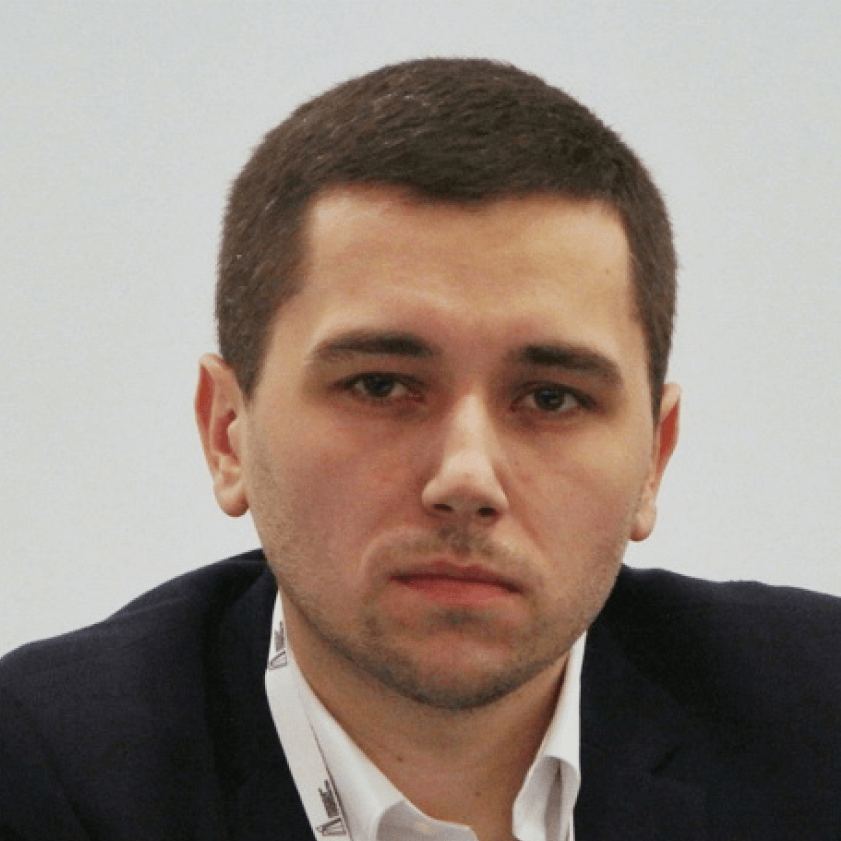
GMK Center presents the main points of the speech by Dixi Group President Olena Pavlenko at the round table “Ukraine’s electricity market: challenges for industry and the iron and steel complex.”
A double challenge for Ukraine
For the European Union, the task of ensuring competitiveness is difficult, as the EU has announced its decarbonization goals. This means increasing the electrification of everything possible. Although a complete abandonment of gas has not yet been set as a goal, to a certain extent, the EU benefits from the continued active use of fossil fuels.
For Ukraine, as a future member of the EU, this task is doubly difficult. In addition to achieving decarbonization goals, Ukraine needs to emerge from the economic crisis, bring back business, and create conditions for investment.
This is a serious challenge for all of us, and above all for the government: how to create conditions for enterprises in Ukraine to produce competitive products for the domestic market, the European Union, and international markets.
Three key recommendations
After analyzing the experience of Europe and other countries, I would like to offer three recommendations.
1. Review the energy mix.
As a result of the war, energy consumption has fallen by 30%, and for obvious reasons, generation has also decreased. Currently, it is barely enough to meet current needs, but for economic recovery, new generation capacity will have to be built. This is an excellent opportunity to decide which new types of generation to focus on so that the cost of electricity is affordable.
It is worth paying attention to the experience of the Scandinavian countries. If we look at the cost of electricity in EU countries, it is lowest in the northern countries, which rely heavily on hydropower. There are also countries that derive significant benefits from the production and use of nuclear energy.
Without specifying a particular mix, I would like to draw attention to the use of nuclear and hydroelectric power and suggest that the government consider creating conditions for the most efficient production of electricity.
2. Investments in the flexibility of the energy system.
Due to the growing share of renewable energy sources, the system is becoming less controllable—it works when there is sun and wind. There is a need for energy storage devices. The faster and better a country creates conditions for energy system flexibility, the cheaper it will be for consumers, including industry, to use electricity.
This is a task for our government, Ukrenergo, and energy companies – to think about where and how to invest correctly, what incentives to create to ensure flexibility. At our analytical center, we are studying relevant solutions, including models being developed in the US and the EU. I hope that in September, we will publish some proposals and ideas on this subject.
3. Implementation of the European affordable energy plan.
The so-called Action Plan for Affordable Energy was recently published—a plan to reduce the cost of electricity for consumers in order to increase the competitiveness of products in the European Union.
As of now, these are only announcements of what the European Commission will propose to member states. Among the proposed measures are not subsidies, but other means of supporting industry within the EU:
- revision of energy taxes for individual countries and industries;
- launching PPAs (long-term electricity supply contracts) and helping businesses develop long-term agreements for better planning;
- simplifying licensing procedures;
- increasing the flexibility of networks and modernizing them.
A scheme for state support of European businesses will be developed and published separately, which should appear at the end of this year or early next year.
This European experience can be used by the Ukrainian government to facilitate the functioning of Ukrainian businesses and make our products more competitive.
-
OpinionsStatesteel consumption
13 July 2026
23 March 2026
19 December 2025
21 November 2025