




How CBAM is reshaping Centravis’s position in the European market

The company's key export sales to the EU are now at risk
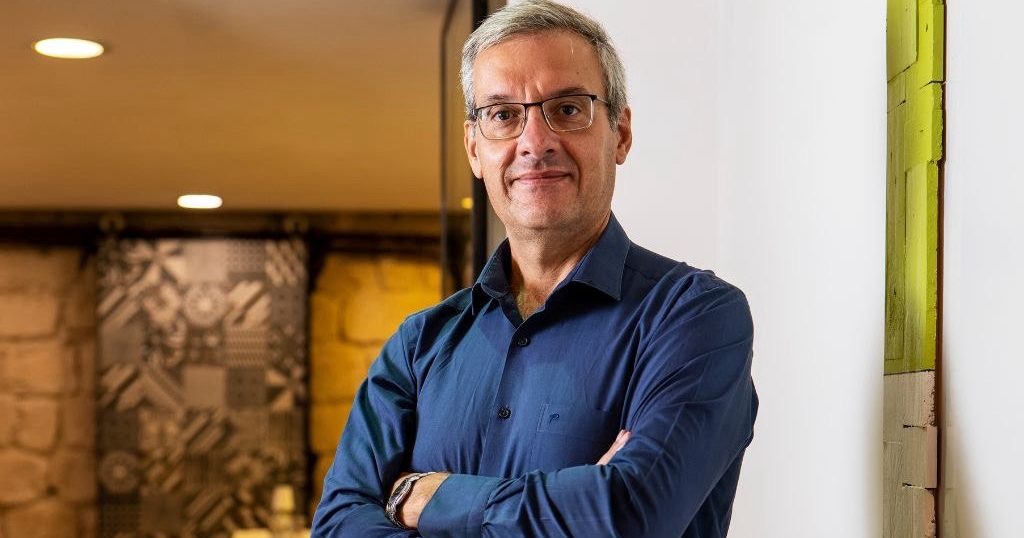
CBAM is becoming a critical factor for Ukrainian exporters, particularly for Centravis, whose business relies heavily on the EU market. The new requirements have not only created financial risks but also increased pressure from customers, competitors, and the regulatory environment. This was reported by Centravis Strategic Planning Manager Luca Di Santo during the roundtable discussion “The impact of CBAM on Ukraine’s economy and mining and steel sector 2026–2030.” GMK Center presents the key points of his speech.
Dependence on the EU market and new risks
Centravis operates in the niche market of seamless stainless steel pipes. The company is 95% export-oriented. The European market currently accounts for 70% of its sales. Centravis has a strong presence in Germany, Italy, Southern Europe, and Central Europe. Therefore, a large portion of the company’s sales depends specifically on the EU, and the introduction of CBAM has a significant impact.
There is a high probability that the company, like other Ukrainian manufacturers, will not be able to obtain actual verification in the second half of 2026. If Centravis reports based on actual values, there will already be significant costs, but if verification is not passed, these costs will be at least twice as high, and this will significantly impact production and exports.
Customer pressure and financial expectations
The company’s customers are very concerned. Centravis is already receiving requests to cover, if not 100%, then at least partially, the projected amount of future costs that importers and consumers will have to pay in 2027 upon submission of certificates.
From the EU market’s perspective, the situation is clear: European customers have conducted internal calculations and already have an estimate of the financial burden on Centravis products, which, incidentally, aligns with the company’s latest calculations. However, this is only valid if the company can submit a report and obtain a CBAM certificate based on actual calculations. The impact of this factor is very significant.
Additional challenges: war and competition
The company is significantly impacted not only by the CBAM but also by the location of its main production facility in Nikopol, which is directly in the war zone. As a result, since the start of the full-scale war, it has been under immense pressure and strain, just like all companies that have faced attacks on their facilities.
The war has presented an opportunity for Centravis’s main competitors at this time—Indian suppliers. They have been able to flood the market with their cheaper products. And even though they too will be partially affected by CBAM, the situation remains quite challenging for the company.
Limited decarbonization opportunities
The company’s efforts were focused primarily on preparing for the introduction of the CBAM. The company was unable to implement a major decarbonization project, but it did manage to reduce costs.
The only realistic decarbonization efforts Centravis can afford at this time are energy-saving projects. These are necessary for two reasons:
- through the CBAM—to try to partially offset future costs;
- to ensure competitiveness amid rising energy prices in Ukraine.
The company’s position: the need for fair conditions
Centravis’s position is that industry in Ukraine cannot avoid the challenges of decarbonization, as Europe is firmly committed to the green transition, reducing CO2 emissions, and so on. This is the correct position, but given all circumstances—particularly the situation in Ukraine as well as the global context—Ukrainian manufacturers should be granted a certain deferral or a relaxation of the EU ETS conditions to enter the system on fair terms.

-

OpinionsIndustrysteel consumption
13 July 2026

13 July 2026

11 June 2026

28 May 2026