




News Global Market coking coal 1371 10 April 2026
In March, these volumes fell by 18% y/y
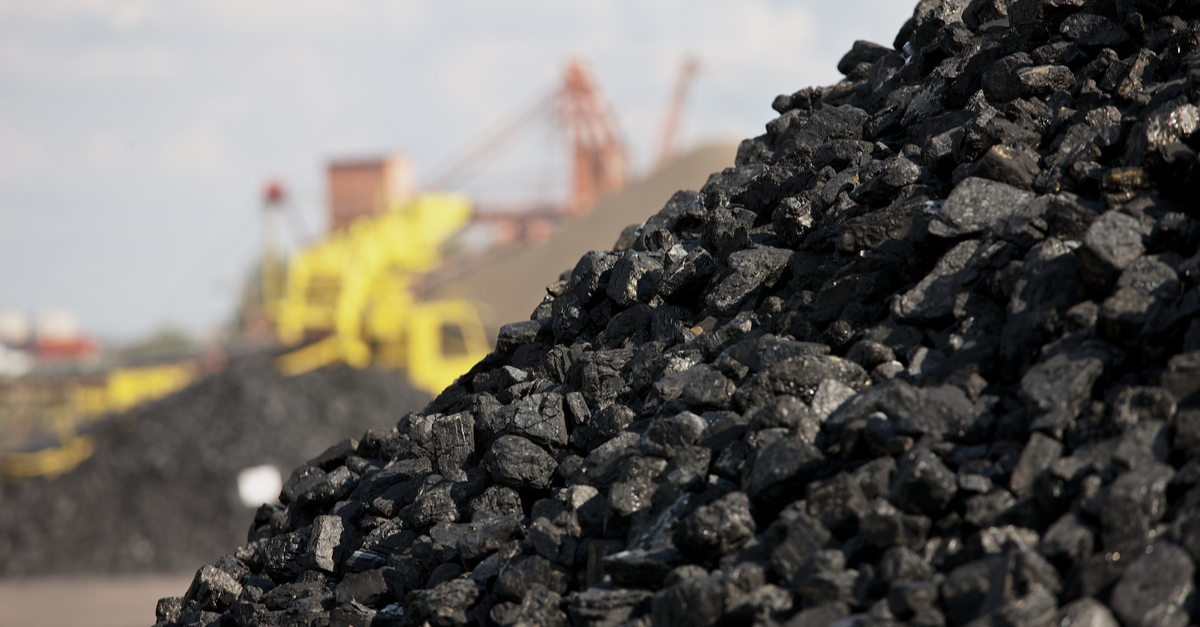
In January–March 2026, Australia reduced its coking coal exports by 2% year-on-year – to approximately 33.38 million tons, according to data from BigMint.
In March, the figure rose by 3.6% compared to the previous month—to 11.28 million tons—largely supported by improved port operations and the easing of earlier weather and logistical disruptions that had a temporary impact at the beginning of the year. However, compared to March 2025, these volumes fell by 18%, as several key export markets maintained cautious purchasing strategies amid volatile freight costs and uncertain demand in the steel industry.
Demand from key Asian buyers of Australian coking coal showed mixed trends in March. Exports to India for the period fell by 15.6% MoM and 62% y/y – to 1.57 million tons. These figures are largely explained by weak buyer interest and rising transportation costs—freight rates remained high amid the escalation in the Middle East.
Exports of this raw material to China fell by 23% m/m and 14% y/y – to 0.62 million tons. Domestic availability of coking coal improved in this country; furthermore, reliance on Australian shipments was reduced by stable supplies from Mongolia.
Australian coking coal shipments to Japan in March of this year rose by 28% compared to the previous month, but fell by 3% year-on-year – to 2.63 million tons; shipments to South Korea decreased by 44% month-on-month and 30% year-on-year – to 1.04 million tons.
As a reminder, according to BigMint, Australia increased its exports of iron ore and pellets by 14% month-on-month in March 2026, reaching 73 million tons. Compared to March 2025, the volume of these shipments decreased by 4%.
-

15 June 2026

15 June 2026

15 June 2026
15 June 2026