




News Global Market Germany 2381 15 June 2026
According to the regulator’s estimates, government spending will boost economic growth by 1.3 percentage points by 2028
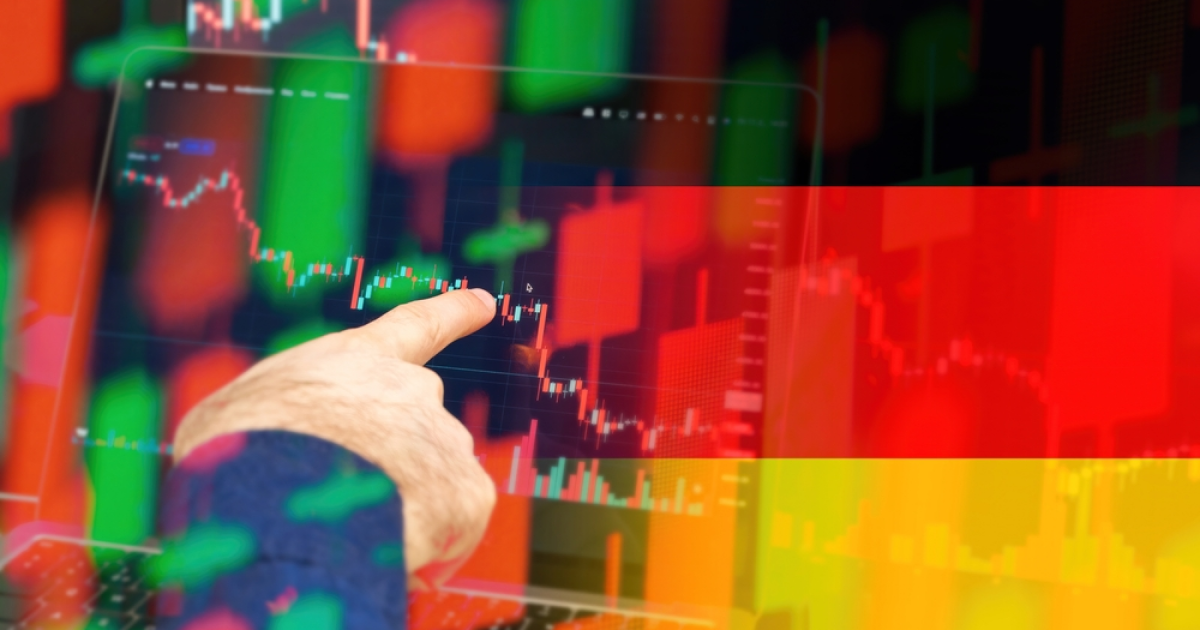
Large-scale government investment in defence and infrastructure will be the key factor in preventing the German economy from falling into recession in 2026. Despite the negative impact of the war in Iran, which is draining Europe’s largest economy and fuelling inflation, the country will manage to avoid a recession, the Bundesbank reports in its latest forecast. This is reported by Reuters.
The German economy has been stagnating for the past three years. It was expected that a sharp increase in spending would restart growth as early as this year, but the war-induced surge in energy prices has derailed the recovery.
“Expansionary fiscal policy is the only thing that will prevent a fall in gross domestic product (GDP) in the second half of the year. It virtually offsets the negative effects of the war in the Middle East,” the Bundesbank notes.
According to the regulator’s estimates, government spending, particularly on the defence sector, will collectively boost economic growth by 1.3 percentage points by 2028.
The Bundesbank has revised its expectations for the world’s third-largest economy downwards. Forecast for 2026: growth is expected to be just 0.5% (down from the December forecast of 0.6%). For 2027, the forecast has been lowered to 0.8% from the previous 1.3%.
This decision was announced the day after the European Central Bank (ECB) also downgraded its growth forecast for the eurozone, whilst at the same time raising interest rates to combat inflation.
Economic activity in the country is being held back by a number of negative factors:
- high energy prices: these are significantly reducing households’ purchasing power. The German Ministry of Economics has also confirmed that
- high energy costs are dampening demand, and the labour market is unlikely to show any signs of improvement in the coming months;
business challenges: companies are facing growing supply shortages and weakening demand; - a decline in investment: high uncertainty and rising interest rates are holding back private investment, even if the impact of the war diminishes over time.
As reported by the GMK Center, the Bundesbank expects the German economy to remain stagnant in the second quarter due to the consequences of the war in the Middle East. According to the report, higher inflation and the associated loss of purchasing power are affecting private consumption and, consequently, service providers. High energy prices and worsening supply problems are also hampering industry and construction on the supply side.
-
Opinions Industry steel consumption
13 July 2026
13 July 2026
13 July 2026
13 July 2026