




News Industry collection of scrap 2487 01 December 2025
Steelmakers plan to increase demand for scrap, while the market is already experiencing a shortage of raw materials
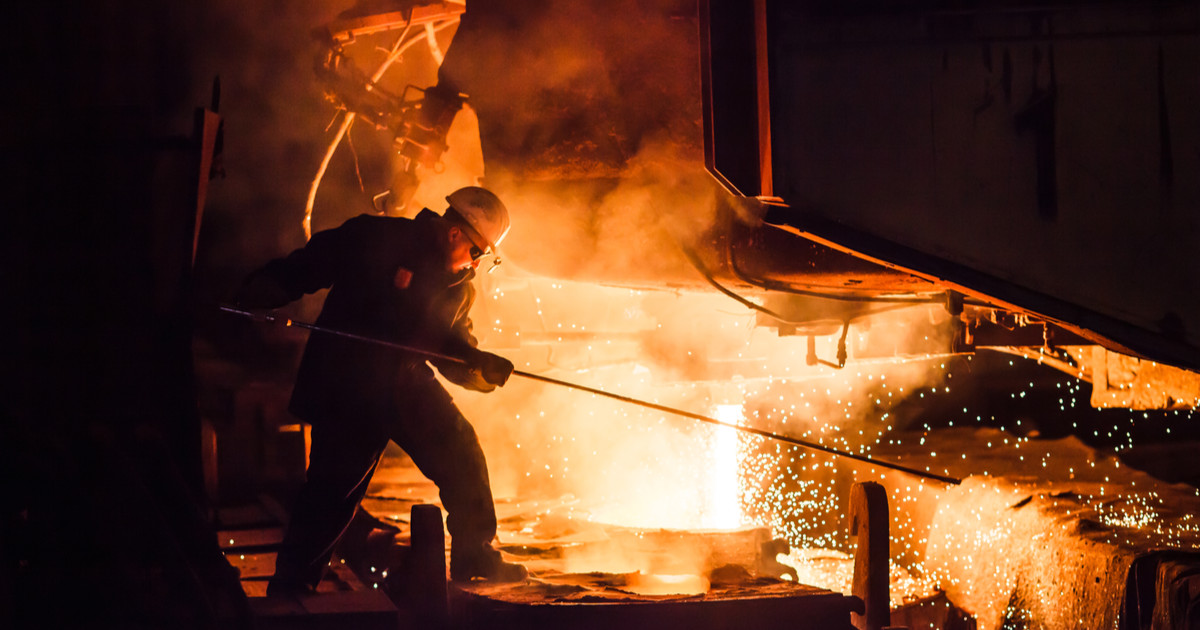
Ukrainian steel companies Interpipe and Metinvest plan to increase steel production in 2026 compared to 2025, which will increase demand for ferrous scrap, which is already in short supply on the domestic market. This was announced by top managers of the companies during the UAVtormet conference on November 28, according to RBC-Ukraine.
Interpipe plans to resume steel production at the Interpipe Steel plant at the end of December after a forced emergency temporary shutdown. The company will carry over the significant volumes that it was unable to produce in 2025 to the following year, increasing the demand for scrap.
“Compared to the previous program, our plans for 2026 will be further increased in terms of consumption and demand for scrap,” said Valentyn Makarenko, chairman of the board of Interpipe Dniprovtormet.
Metinvest also plans higher production figures. According to Ivan Kovalevsky, CEO of Metinvest-Resource, steel production in 2026 may increase by 300-500 thousand tons.
“Our scrap consumption is expected to grow,” he said.
However, scrap colletion companies are no longer able to meet the needs of steelmakers. The shortfall in contractual obligations to Metinvest amounts to about 89,000 tons. Interpipe noted that even amid a decline in scrap utilization due to a temporary shutdown of capacities, total raw material consumption in the country increased by 100,000 tons in the first 10 months of 2025.
Overall, scrap procurement increased by 16% year-on-year – to 1.7 million tons in January-October 2025. At the same time, steelmakers consumed almost 1.3 million tons. At the same time, exports are increasing sharply, reaching 345,200 tons in 10 months, which is 1.5 times more than in the same period last year.
Under these conditions, according to Olexander Kalenkov, president of the Ukrmetprom business association, it would be advisable to introduce an export duty on scrap in Ukraine at the level of $180/ton and a zero quota (temporary export ban). These elements of the general infrastructure will make it possible to keep strategic raw materials within the country.
He stressed that Ukrainian scrap is exported to the EU, primarily to Poland, without paying duties, from where the raw materials are actively re-exported to Turkey and India. In other words, Ukrainian scrap ends up in countries that directly or indirectly purchase energy resources from Russia, thereby supporting the aggressor country in its war against Ukraine.
Earlier, the government had already announced plans to introduce a zero quota on exports of ferrous scrap from 2026.
-

02 July 2026
01 July 2026
30 June 2026
30 June 2026