





News Global Market CBAM 1961 10 December 2025
The European Commission is considering changes to CBAM, taking into account the country's requirements
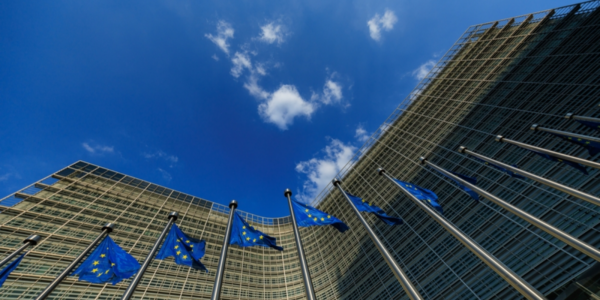
Montenegro’s Minister of Energy and Mining Admir Šahmanović held a series of meetings in Brussels with senior officials of the European Commission (EC) on reforms in the energy sector and the introduction of a carbon border adjustment mechanism (CBAM). Following the talks, the minister received positive signals regarding possible changes to EU regulations, particularly taking into account Montenegro’s position, according to BGE News.
During the meetings, the country’s readiness to adapt to European climate and energy rules was discussed. The minister said that in recent months, a new Energy Law and a package of subordinate legislation had been adopted, and steps had been taken to develop renewable energy. In particular, the first auction of solar projects took place, consultations with Italy on strengthening the underwater energy connection are ongoing, and the legislative framework for cross-border electricity trade has been prepared.
The European Commission noted Montenegro’s progress and confirmed that the country is a leader among the countries in the region in terms of compliance with EU energy requirements. The parties agreed to continue technical consultations on more flexible CBAM application models that will allow candidate countries to adapt to the new mechanism more quickly and effectively.
According to the ministry, Brussels also reported that the actual impact of CBAM may be weaker than previously predicted, and the European Commission is considering amending the regulation. Montenegro expects that the mechanism will be implemented in stages and without excessive burden on its energy sector, which is largely focused on electricity exports.
As a reminder, the EU will offer development funding to countries affected by the CBAM. This support will come through a new instrument, Global Europe, with a proposed budget of €200 billion for 2028-2034 and a target of 30% of spending on climate and the environment.
-

15 June 2026
24 June 2026

24 June 2026
24 June 2026