




News Global Market брухтопереробка 1286 03 December 2025
The country is transitioning to EAF technology, so structural changes are needed in this area
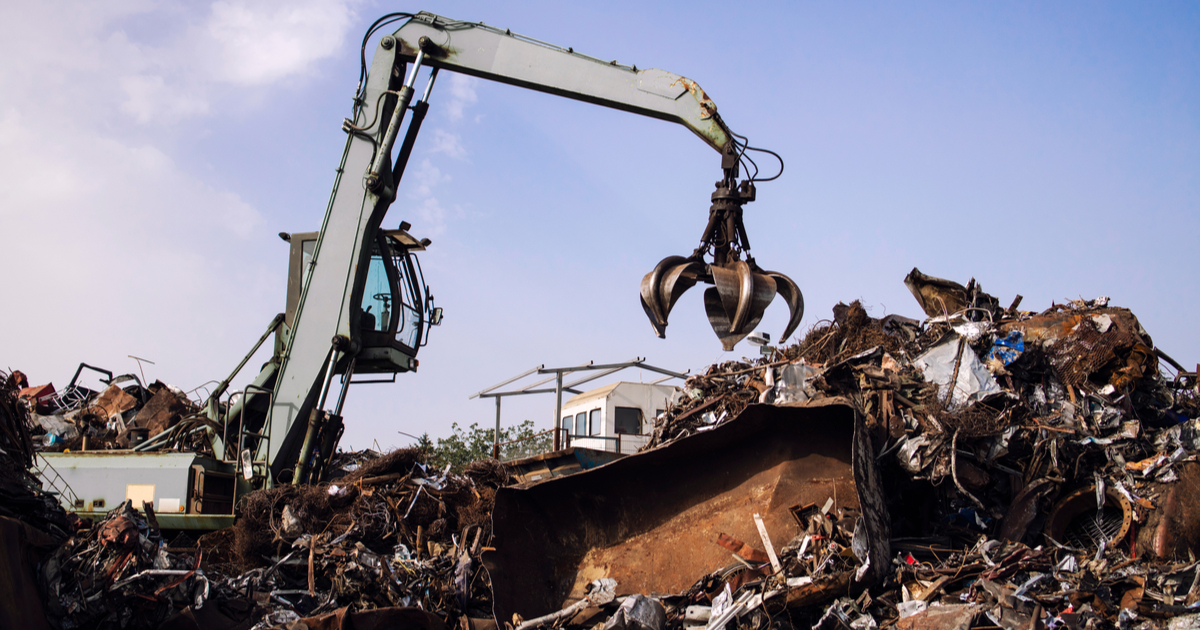
A coalition of leading UK steel producers and representatives of the metal processing sector has called on the government to take swift action to unlock the economic and environmental potential of scrap metal.
A new report by UK Steel and its Circular Steel Subcommittee states that the UK produces around 10 million tonnes of steel scrap each year, with over 80% of this resource currently being exported. A significant portion of this material then returns to the British market in the form of finished products, which affects the prices of domestic producers.
The lack of large-scale steel production in electric arc furnaces in Britain, which requires intensive use of scrap, has meant that a strong domestic market for this raw material has been unable to develop.
As the country transitions to electric arc furnace technology, high-quality local scrap will become the basis for low-carbon steel production, the report says. However, urgent reforms are needed in this area in order not to lose out to global competitors.
The report identifies a number of structural problems that hinder the ability of British industry to exploit the country’s scrap potential, from insufficient domestic processing capacity and high industrial energy costs to inconsistent quality standards and compliance across the supply chain.
To overcome these obstacles, UK Steel calls on the government and regulatory authorities to work together to align fiscal, environmental, and energy policies.
The report recommends:
supporting investment in local scrap processing infrastructure to meet EAF quality standards similar to those that will be applied at Tata Steel UK’s Port Talbot facility;
- eliminate cost differences between domestic and export markets;
- introduce national definitions and standards for steel scrap for EAF;
- modernize regulatory oversight;
- include recyclers in the UK Industrial Competitiveness Scheme.
Jacob Hayler, chair of UK Steel’s circular steel subcommittee, noted that scrap is one of the country’s greatest industrial assets, but the policy framework driving the market is not keeping pace with the transition to low-carbon manufacturing.
“It costs less to export steel scrap for processing and manufacture abroad then re-import those steel products, than it does to process and manufacture it domestically. That must change if we are to retain jobs, encourage investment, and support resilience in the UK’s manufacturing base,” he explained.
It should be recalled that the global scrap market showed mixed trends in October-November. Some regions faced declining demand and oversupplied inventories, while others were supported by exports and a seasonal decline in supply.
-

Opinions Industry macroeconomics
28 May 2026
06 June 2026
05 June 2026
05 June 2026