




Opinions Global Market CBAM 1252 07 April 2026
In Q1 2026 ArcelorMittal Kryvyi Rih lost 300,000 tons of steel exports due to CBAM

The company has been operating at a loss for five consecutive years and survives solely thanks to the support of its parent group
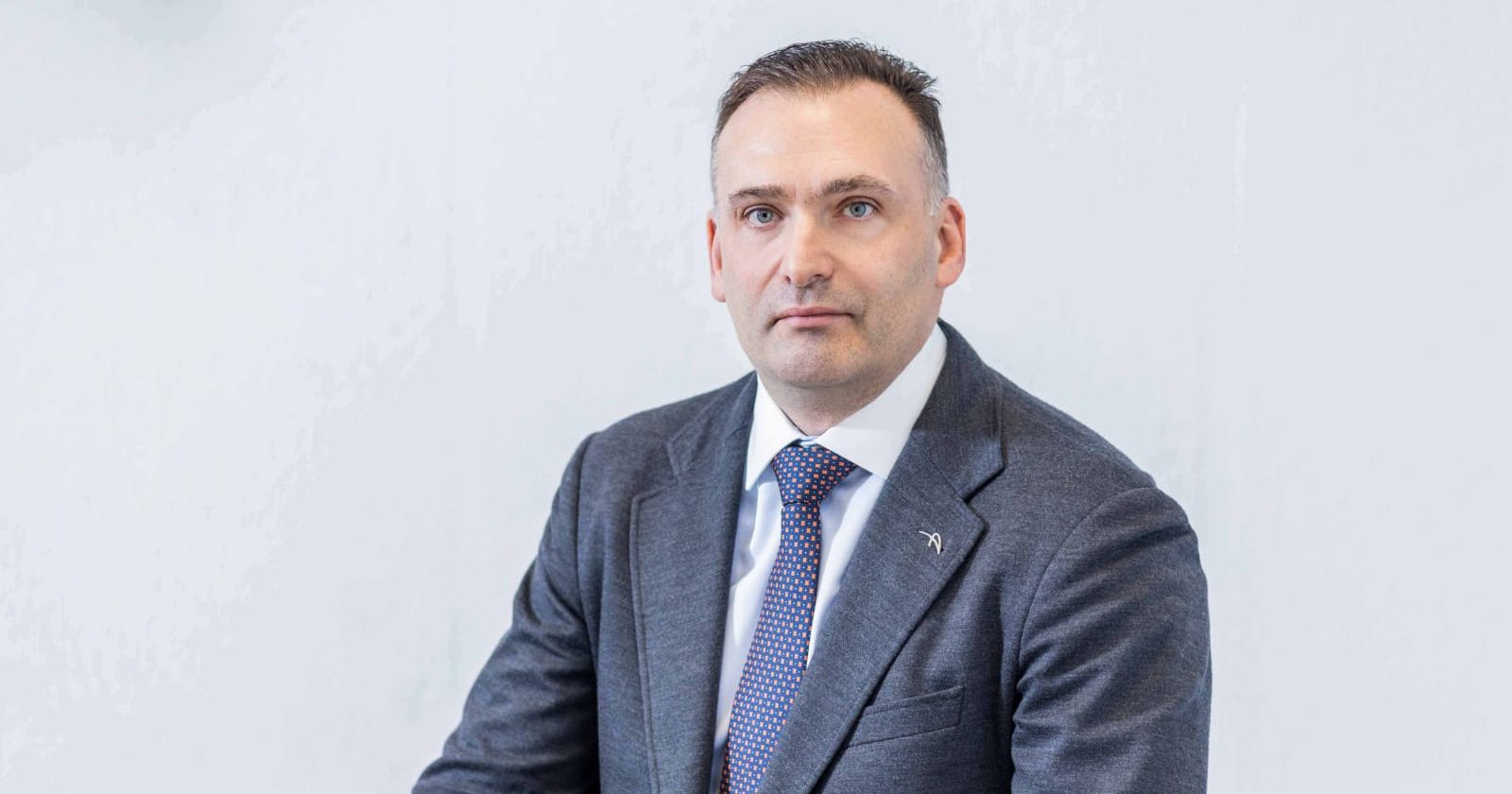
The European Commission has applied CBAM to Ukraine without any exemptions, significantly undermining the competitiveness of Ukrainian steel producers. In the case of ArcelorMittal Kryvyi Rih, additional CBAM-related costs of $60–90 per ton have led to order cancellations and a loss of access to the European market. This was reported by Mauro Longobardo, CEO of ArcelorMittal Kryvyi Rih, at the roundtable “The impact of CBAM on Ukraine’s economy and iron and steel sector 2026–2030,” organized by the GMK Center.
Although the CBAM reflects Europe’s commitment to environmental responsibility, its introduction dealt a devastating blow to Ukrainian steel exports. The company is grateful to the EU for its support following the outbreak of full-scale war, which allowed it to replace markets in the Middle East and Africa. Building a sustainable presence in Europe took three years of effort. As a result, in 2025, ArcelorMittal Kryvyi Rih exported approximately 920,000 tons of long products to the EU. The continuation of supplies in 2026 and beyond remains uncertain, as long products are the segment most affected by CBAM.
An operational environment under pressure
Since 2022, the company has identified three key markets: the U.S. for pig iron, the EU – for steel products, and the domestic market as its primary focus. The war has created a devastating operating environment: regular power outages due to rocket attacks, electricity prices higher than in Europe, and an acute shortage of skilled workers.
Recognizing the inevitability of the CBAM, the company insisted on forming a consolidated business position for Brussels. Due to the full-scale invasion, Ukraine is not ready for an immediate transition to green standards and needs a few years’ grace period. The company was ready to invest in modernization before the war began — projects had been approved and funded — but the accumulated capital was absorbed by war-related losses.
The impact of CBAM on ArcelorMittal Kryvyi Rih
Despite arguments from the government and the industry, the European Commission implemented CBAM without any exemptions for Ukraine, fearing it would set a precedent for other countries. So, Ukrainian producers are now competing for the EU market on equal footing with suppliers from non-conflict countries, particularly Turkey, which uses cheap Russian raw materials.
ArcelorMittal Kryvyi Rih lost the European market almost instantly. Once customers learned about the additional duty (CBAM payment) of $60–90 per ton, they canceled all orders for the first quarter of 2026 – about 300,000 tons. For 2026, the company had planned to ship 1.2–1.25 million tons to Europe — nearly half of its total steel production. This market is lost. There are currently no alternative markets to absorb these volumes.
In January 2026, ArcelorMittal Kryvyi Rih shut down the blooming mill, which had been in operation since the plant’s founding, and also closed the casting and mechanical shops. We don’t see possibility to continue operation of mentioned facilities in new regulation environment. In the first quarter of 2026, at least 3,400 jobs were cut due to the CBAM.
The company has been operating at a loss for five consecutive years and survives solely thanks to the support of its parent group. I would like to remind that ArcelorMittal Kryvyi Rih employs 18,000 people and supports over 50,000 family members. Tax revenues account for nearly 30% of Kryvyi Rih’s municipal budget, and up to 50% when including contractors. For a single-industry city, further production and employment cuts would have catastrophic consequences.
Macroeconomic and sectoral implications
In our view, the European Commission has made a critical error in assessing the impact of the CBAM: the negative gap between the forecast and reality could increase 200-fold over four years and reach 2.1% of GDP.
Now Ukraine’s economy relies primarily on external aid. GDP in non-military sectors has shrunk by 40% compared to 2021. Steel production capacity has fallen from 42.5 million tons in 2013 to just 8 million tons in 2026. Without CBAM exceptions or delays, Ukrainian producers will lose access to the EU market within five years.
The domestic market cannot offset these losses, as it’s volume isn’t sufficient. Moreover, since 2025, imports of cheaper products from Turkey and China, often made using Russian raw materials, have been increasing.
In such conditions the closure of the European market will inevitably trigger a cascading collapse across the Ukrainian economy and industry as iron & steel sector contributes 7% to Ukraine’s GDP and 15% to exports. Ukraine risks losing its industrial sovereignty — the ability to independently produce steel, which is a prerequisite for true national independence. The EU will need to allocate significant subsidies to stabilize the economic and social situation in Ukraine.
Proposed solutions
First, the Ukrainian government must protect the real economy from the pressure of the CBAM and dumped imports, and stabilize electricity prices.
Second, we urge the European Commission to postpone the application of the CBAM to Ukrainian exporters for at least three years. This will allow manufacturers, exhausted by the war, to accumulate resources for modernization. We do not dispute environmental standards and are not asking for privileges — we are seeking equal market access and an approach that takes into account the realities of a country resisting external aggression.
The transition to green production remains our goal. But the resources for such investments are currently lacking. A temporary exemption is not a retreat from environmental commitments, but a necessary prerequisite for their fulfillment.

-

OpinionsGlobal Marketsteel consumption
13 July 2026

02 July 2026

15 June 2026

21 March 2026