




News Global Market Німечина 70 17 July 2026
For the steel industry, this could result in additional costs of €50 million a year
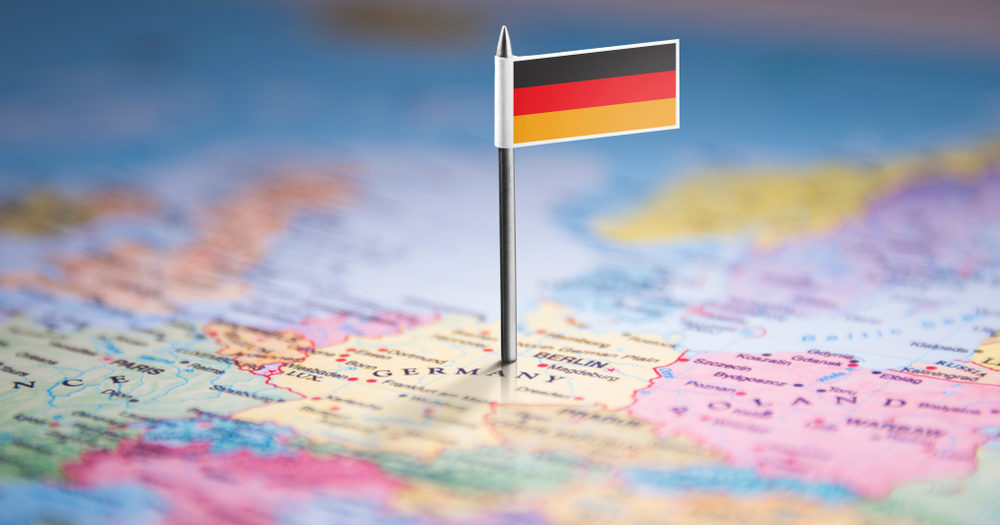
The German Federal Government has presented a draft budget for the Climate and Transformation Fund (KTF) for 2027. The document provides for a significant reduction in funding across key areas compared with the current year. Kerstin Maria Rippel, Executive Director of the German Steel Industry Association (WV Stahl), has warned the government against prematurely scrapping the recently introduced measures to ease the energy burden. This is stated in a press release from WV Stahl.
Of particular concern is the planned 15% cut in budgetary subsidies to cover electricity transmission costs. The authorities recently managed to halt the rapid rise in grid tariffs and roll them back to 2023 levels. However, the new limits jeopardise this achievement. For the steel industry alone, this threatens to result in additional grid costs of around €50 million per year (an increase of almost 20%).
“Despite the obvious need to save public funds, cuts to the KTF budget must not lead to the reversal of the initial steps to ease energy prices as early as 2027. This would send an extremely negative signal, undermining investment stability and confidence in Germany as an industrial hub,” notes Kerstin Maria Rippel,
According to her, under such conditions, the federal government’s goal of establishing internationally competitive electricity prices for Germany’s energy-intensive sectors once again becomes unattainable. The industry association is calling not only for the full retention of the €6.5 billion state subsidy, but also for a guarantee of its stable allocation in the coming years.
Furthermore, the association is calling for additional measures to be taken to reduce the cost of electricity to competitive European and global levels. In particular, the government should make use, at national level, of the European Commission’s authorisation to partially combine industrial tariffs with the electricity price compensation mechanism.
As reported by GMK Center, in the first five months of this year, steel production in Germany rose by 8.8% year-on-year, to 15.7 million tonnes. Pig iron output in January–May increased by 9.8% compared with the same period last year, to 9.9 million tonnes, whilst hot-rolled steel output rose by 4.9% year-on-year, to 13.4 million tonnes.
-
Opinions Industry steel consumption
13 July 2026
17 July 2026
17 July 2026
16 July 2026