




News Global Market EU 2060 25 November 2025
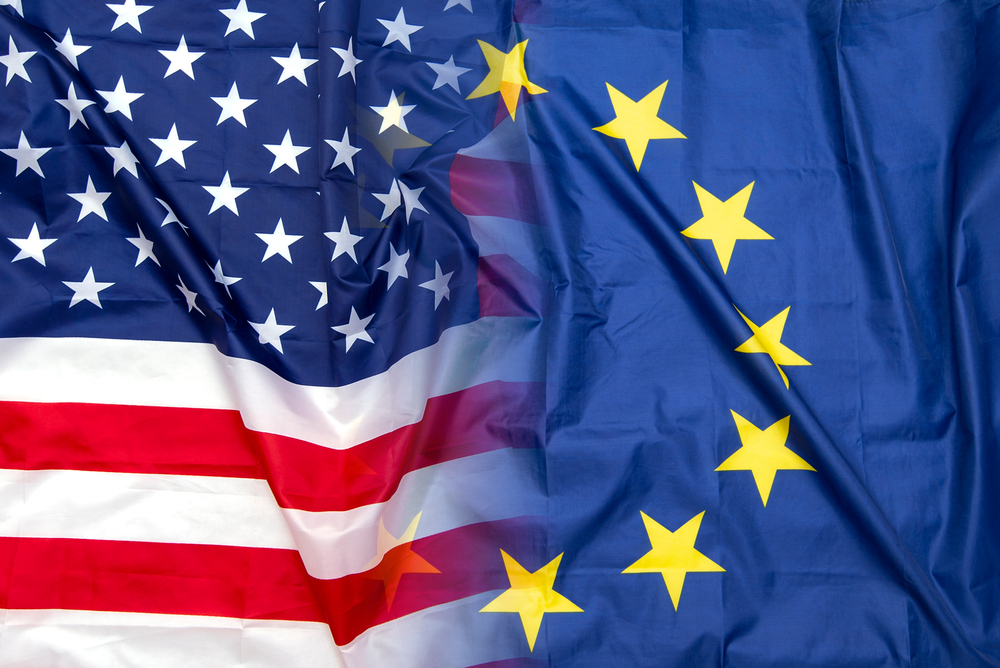
The European Union has called on US officials to implement the July agreement
The US is demanding that the EU adopt more “balanced” regulation of the technology sector in exchange for lowering tariffs on steel and aluminum imports, Reuters reports.
At a meeting in Brussels on November 24, EU ministers called on US Trade Minister Howard Luttnik and Trade Representative Jameson Greer to implement the July trade agreement between the parties. Among other things, the agreement provides for a reduction in US tariffs on European steel.
At the same time, Howard Luttin noted that the EU must first review its rules for the digital sector. He did not specify what changes the United States is seeking. The Trump administration has consistently criticized European rules that limit the influence of technology giants.
“The idea is that if they soften this regulatory framework and make it more attractive to our companies, they will be able to benefit from hundreds of billions, possibly $1 trillion, in investment,” Bloomberg quotes Lutnik as saying.
The agreement reached by the US and the EU in July this year provides for a fixed customs duty of 15% for most goods exported from the bloc. The parties also agreed on a “zero” duty for a number of strategic goods. The European Union has committed to eliminating tariffs on US industrial products, as well as on certain agricultural and food products.
In addition, the parties agreed to continue working on reducing other tariffs, including the 50% tariff on imports of European steel and aluminum into the United States.
Since August of this year, the United States has added 407 categories of steel and aluminum products to the list of goods subject to a 50% tariff.
Earlier, it was reported that the European Commission was pressuring the US to lift tariffs on steel and aluminum products. The EC believes that it has fulfilled its part of the agreement by proposing to increase European steel tariffs to 50%, reduce quotas by almost half, and more closely monitor the origin of imported steel.
-

15 June 2026

01 July 2026

01 July 2026
01 July 2026