




News Global Market Південна Корея 1241 01 July 2026
It is expected that steel intended for the European market will now also be exported to other regions
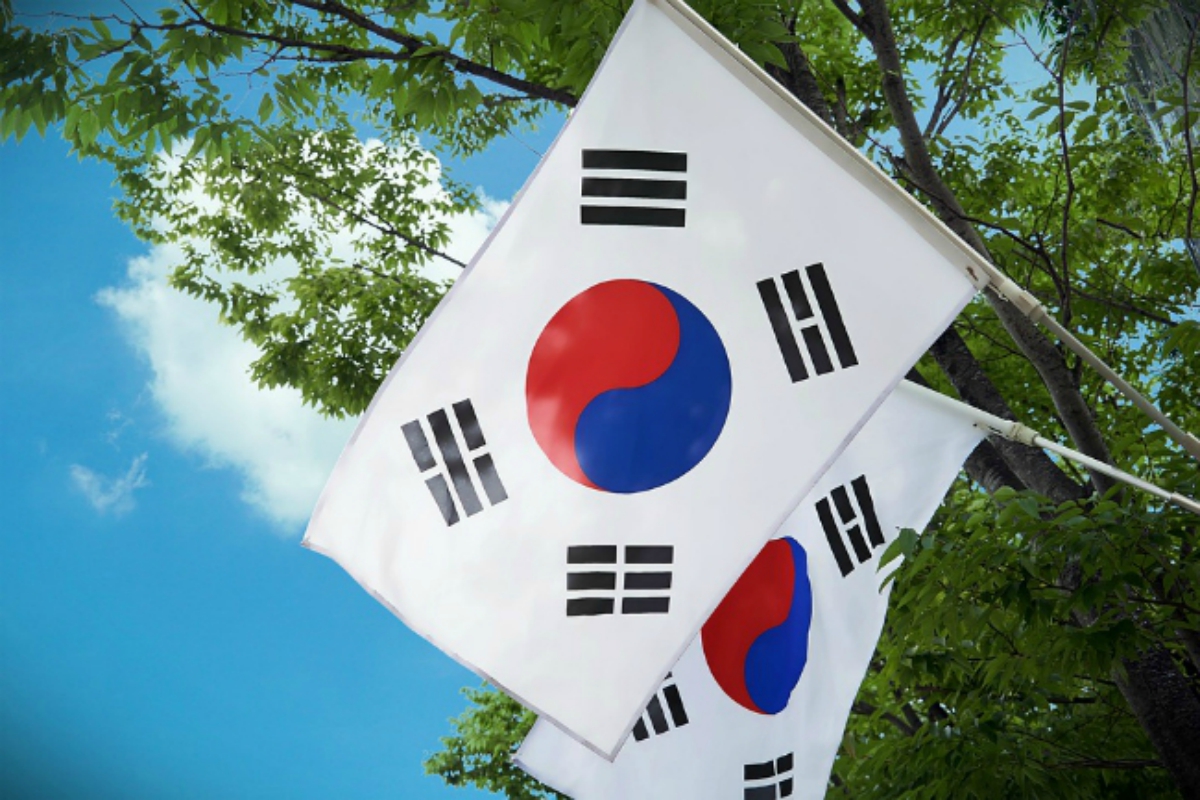
The South Korean government is developing a package of measures to stimulate domestic demand for steel products and strengthen cross-sectoral cooperation. This decision has been taken against the backdrop of tighter import restrictions imposed by the European Union, which pose significant risks to South Korean exporters. This was reported by the *Korea Joongang Daily*.
Kim Jeong-gwan, Minister for Trade, Industry and Energy, held an emergency meeting with representatives of leading domestic steelmakers. The main aim of the meeting was to identify ways to minimise the negative impact of the new EU rules.
On 1 July, the European Union introduced new safeguard measures in the steel market to combat global oversupply. Under these restrictions, the EU-wide duty-free quota was reduced by 46 per cent — from 33.8 million tonnes to 18.35 million tonnes. For South Korea, the individual quota has been set at 2.07 million tonnes, representing a reduction of 19.7 per cent. Although the cut has proved less severe for Seoul than the overall reduction in limits, it is still putting significant pressure on the industry.
The Ministry of Industry also forecasts that steel volumes originally intended for the European market will now be redirected to other regions, leading to intensified competition in alternative global markets.
To mitigate the impact on steelmakers, the ministry is introducing a series of stabilisation measures:
- Cross-sector cooperation. The state will coordinate collaboration within supply chains between steelworks, shipyards, defence sector companies and renewable energy firms to generate additional domestic demand.
- Demand generation. By strengthening industrial links and cracking down on unfair imports of raw materials, the government plans to generate domestic demand for over 510,000 tonnes of steel products, which will fully offset the losses resulting from the reduction in European quotas.
At the same time, South Korea will continue official negotiations with EU leaders to maintain the stability of supply chains and safeguard mutual benefits under the bilateral Free Trade Agreement.
As reported by GMK Center, the European Commission has published an implementing regulation setting out the allocation of tariff quotas for steel imports amongst the EU’s trading partners. Half of the EU’s annual import quota (18.3 million tonnes) is reserved exclusively for partners under free trade agreements. The remaining 9.15 million tonnes will be available to all trading partners without discrimination, including those with a free trade agreement.
-
Opinions Industry steel consumption
13 July 2026
23 July 2026
23 July 2026
23 July 2026