




News Global Market Brazil 143 23 July 2026
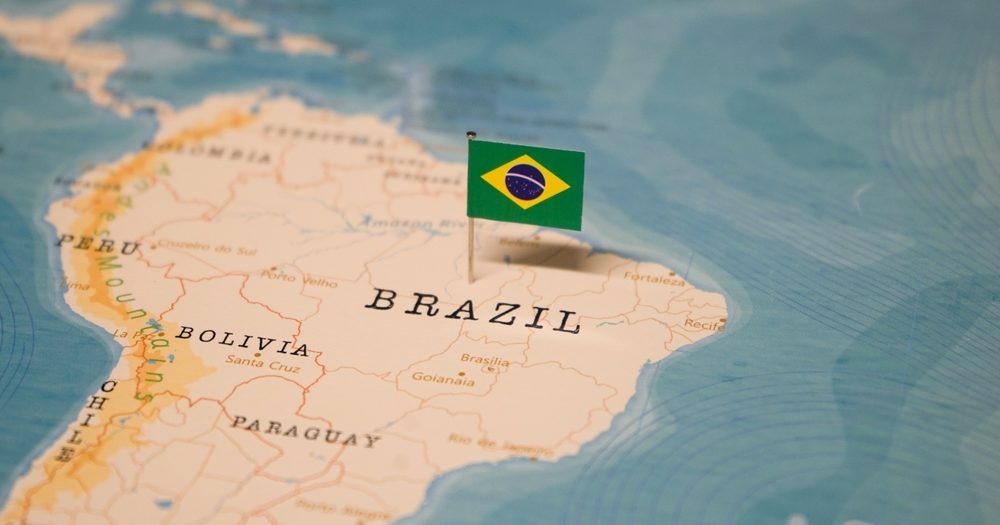
Brazilian exports worth between $7 and $11 billion are at risk of new tariffs
The Brazilian government has announced the allocation of 18.5 billion reais ($3.66 billion) to support domestic businesses affected by the new 25% US tariffs, which came into force on 22 July, as well as by international conflicts. This was reported by Reuters.
The funding, which is still subject to approval by Congress, involves the provision of 13.5 billion reais from the state budget and 5 billion reais via the state-owned development bank BNDES. This is the third phase of a programme launched last year in response to the first wave of US restrictions. The preferential loans are aimed at providing companies with working capital, purchasing equipment, supporting investment and seeking new markets.
Washington’s new tariffs will affect a wide range of Brazilian goods — from agricultural machinery, timber and ethanol to footwear and clothing. According to estimates by the Brazilian government and the National Confederation of Industry (CNI), exports worth between $7 billion and $11 billion are at risk, representing between 18% and 26% of Brazil’s total exports to the United States. At the same time, the US has exempted a number of key items from tariffs, including beef, coffee, certain metal products and aviation equipment.
The US administration imposed a 25% tariff following a year-long investigation under the Trade Act of 1974, accusing Brazil of ‘unfair trade practices’ — ranging from barriers in the areas of electronic payments and the ethanol market to illegal deforestation. The Brazilian government and economists have criticised this decision, calling it unfounded, given that the US consistently maintains a trade surplus with Brazil. In the first half of the year alone, Brazilian exports to the US fell by 13% ($2.6 billion).
The footwear industry has been particularly hard hit, as the US is its main export market (one in five pairs exported). Due to the new tariff barriers, companies are being forced to cut production and lay off staff.
The situation may become even more complicated: a separate US investigation into allegations of forced labour is due to conclude on 24 July. This could lead to the imposition of an additional 12.5% duty, which would raise the total tariff rate for certain goods to 37.5%. The country is counting on further negotiations with the US Trade Representative, although the date of the next round of consultations has not yet been set.
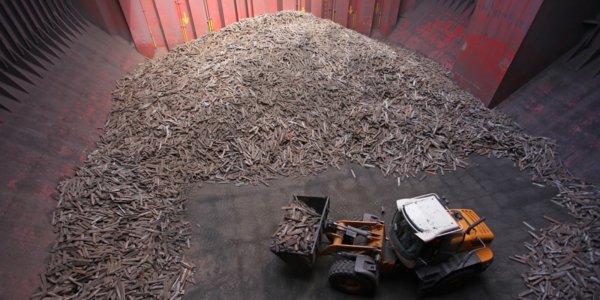
As reported by the GMK Center, as part of the Section 301 investigation into Brazil’s trade practices, an additional 25% tariff on goods of Brazilian origin has been in force since 22 July 2026. At the same time, a broad list of exemptions has been retained, including important raw materials for the metallurgical industry, in particular pig iron and scrap metal.
-

Opinions Industry steel consumption
13 July 2026

23 July 2026
23 July 2026
23 July 2026