




News Global Market експорт сталі 1359 18 May 2026
New EU protective measures could cost the country up to €1 billion in export revenue
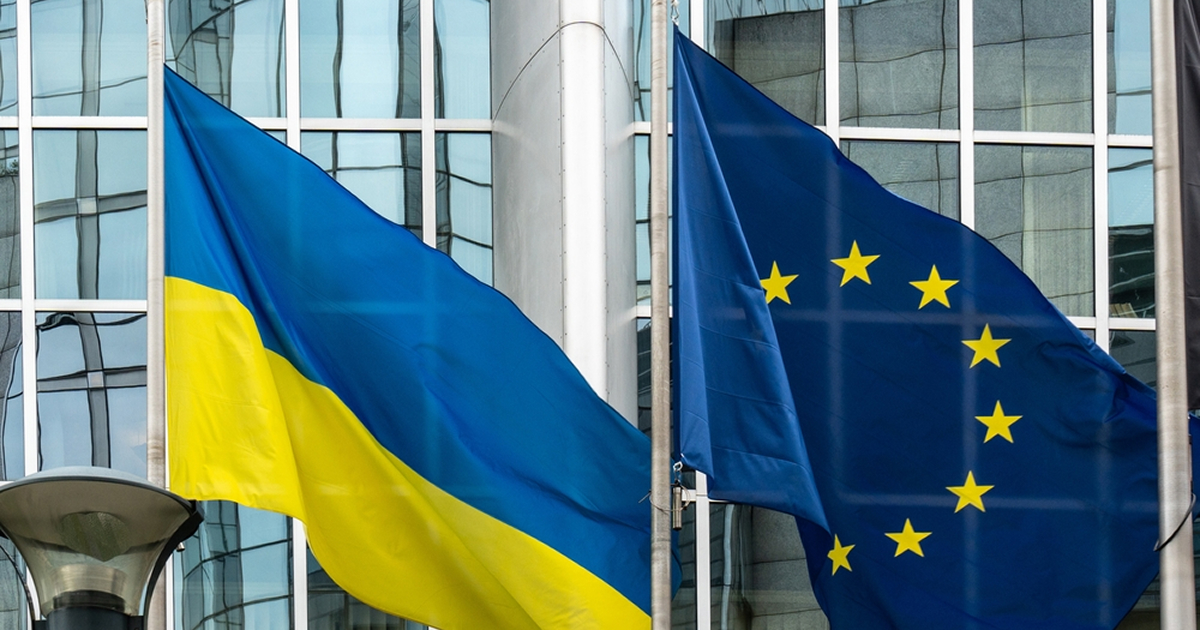
Ukrainian steel producers and officials warn that the EU’s plan to halve steel import quotas will harm Ukraine, which is trying to fund its defense amid Russian aggression. This is reported in an article by the Financial Times.
In particular, Oleksandr Vodoviz, head of the office of the CEO of Metinvest, warned that the EU’s new protective measures will deprive the country of vital export revenues—they will completely eliminate any possibility for Ukrainian companies to supply products to the European market.
Under WTO rules, the reduced quotas will apply to all EU trading partners, including countries such as Ukraine that have free trade agreements with the bloc. This measure was agreed upon earlier this year to protect against excess capacity, particularly that caused by overproduction in China.
The European Commission has the discretion to allocate the reduced quota among trading partners and is negotiating with Ukraine and approximately 20 other countries regarding preferential levels of this reduction.
During initial talks in Geneva, Ukrainian officials reported that the EC proposed applying a duty-free bilateral quota of 713,000 tons to steel exports from Ukraine. In 2025, Ukraine supplied 2.65 million tons to the bloc, with the EU being the main export market for Ukrainian steel products.
Officials note that such a sharp reduction—70% compared to last year—could cost Kyiv up to €1 billion in export revenue. They also argue that reducing the quotas would violate the EU trade agreement, which does not provide for any tariff restrictions.
The European Commission stated that Brussels “will take into account Ukraine’s difficult situation” and that “Ukraine will receive a quota for each country that will guarantee its steel exports to the European Union, albeit at a lower level than in previous years.”
At the same time, Oleksandr Vodoviz notes that Ukraine has no immediate alternative buyers to turn to.
“We are looking at various markets, but those markets include Russia and Turkey, where electricity is 10 times cheaper than here, and they aren’t being shelled or bombed every day… we don’t see any way to compete with them in their core markets. Our main market has always been Europe,” he explained.
During negotiations with EU countries on reducing quotas, the European Parliament insisted on granting Ukraine special treatment as a candidate country due to its “exceptional and urgent security situation,” said Karin Karlsbro, the MEP responsible for this document. According to her, the European Parliament has very high expectations of the European Commission regarding the implementation of this.
It should be noted that Ukraine continues to seek ways to mitigate the impact of the CBAM on the economy. The main challenges lie in working with the European Commission, while the European Parliament supports Ukraine’s position.
-
Opinions Industry steel consumption
13 July 2026
23 July 2026
23 July 2026
23 July 2026