




News Global Market import 4007 02 October 2025
Ukrainian ore accounts for over 90% of Polish imports, but the transition to EAF may reduce demand
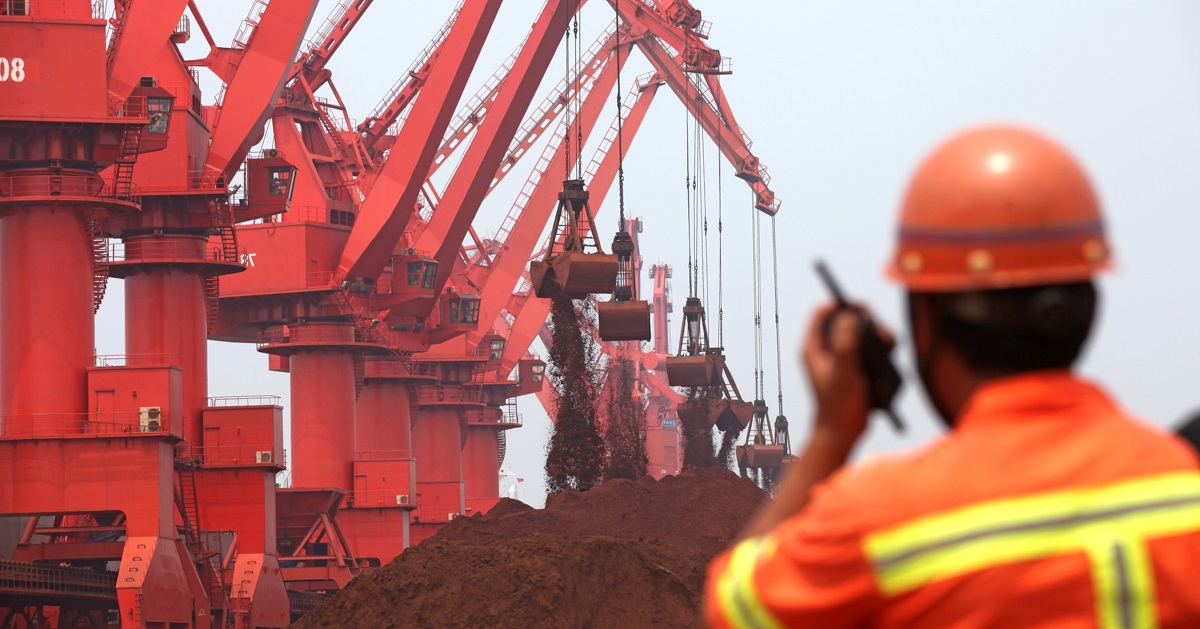
Poland has almost completely switched to importing iron ore from Ukraine, finally abandoning Russian supplies. According to the Polish Economic Institute (PIE), in 2024, 93.6% of all ore purchased by Polish steelmakers came from Ukraine. For comparison, in 2015, this figure was only 70.1%, while Russia accounted for a significant share – over 12%. Today, Russian supplies have been completely eliminated from the Polish market, according to wprost.
Across the EU, the situation with iron ore supplies remains difficult. Domestic reserves are almost depleted, and the only major producer in the community remains Sweden, which exported 7.5 million tons of raw materials in 2024. The main suppliers to Europe remain Canada (25.4 million tons), Brazil (16.6 million tons), Ukraine (14 million tons), and South Africa (8.9 million tons).
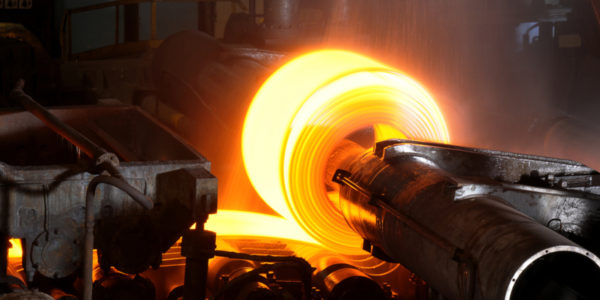
Experts emphasize that iron ore is a basic resource for blast furnace technology, which is traditionally used in steel production. At the same time, electric arc furnaces (EAF), which mainly operate on scrap metal, are becoming increasingly important. This technology requires significantly less ore and is also considered more environmentally friendly.
PIE notes that the process of decarbonization of industry in Europe will inevitably accelerate the transition to electric arc furnaces, which will reduce demand for iron ore in the coming years. For Poland, this means that the current dominant role of Ukrainian supplies may gradually decline.
The country’s largest steel producer, ArcelorMittal, has already announced plans to invest in the green transition, although no specific launch dates have been announced yet. If the project is implemented, it will be a real technological revolution for the Polish metallurgical industry and will radically change the structure of import needs.
As reported by GMK Center, in January-July 2025, the European Union imported 3.37 million tons (+0.6% y-o-y) of steel raw materials of Russian origin. The cost of importing these products reached €1.39 billion (-14.4% y-o-y). At the same time, the volume is accounted for by pig iron, steel semi-finished products, and direct reduced iron. Supplies of raw materials for 7 months amounted to 2.04 thousand tons (9.36 thousand tons in January-July 2024).
-

15 June 2026
25 June 2026

25 June 2026
25 June 2026