
The MP stated that scrap is a strategic raw material for decarbonization, and that the CBAM is already putting pressure on Ukrainian exports
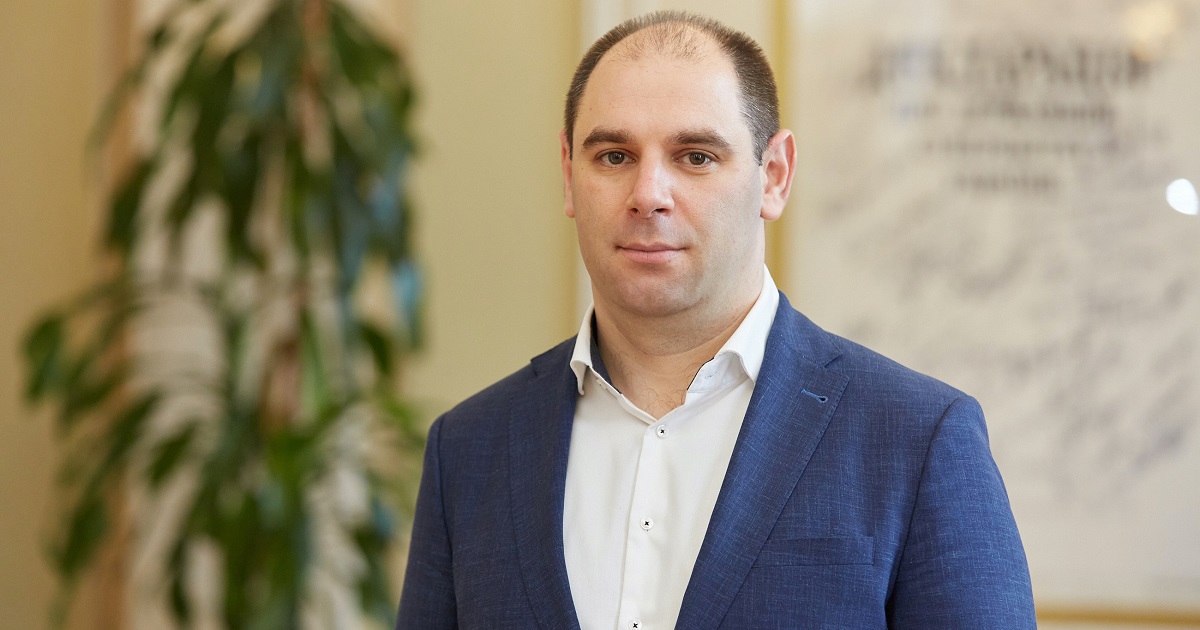
Dmytro Kysilevsky, Deputy Chair of the Verkhovna Rada Committee on Economic Development, expressed support for keeping scrap within the country, emphasizing its strategic importance for the decarbonization of the steel industry. He made this statement during the roundtable discussion “The Impact of CBAM on Ukraine’s Economy and Mining and Steel Sector 2026–2030,” organized by the GMK Center on March 31, 2026.
In his remarks, the MP praised the government’s decision to impose a temporary zero quota on scrap exports. According to him, scrap is a raw material whose use in steel production allows for a significant reduction in CO2 emissions. That is why Ukraine must retain this resource in the domestic market, given the European Union’s intention to continue tightening environmental requirements for industrial products.
Kysilevsky emphasized that this government decision directly addresses the issue of carbon regulation and is the right move under current conditions. He effectively called scrap a strategic raw material for Ukrainian industry in light of the upcoming challenges related to CBAM.
At the same time, the deputy stressed that the CBAM mechanism itself is already having a very significant negative impact on Ukrainian exports. According to him, earlier estimates suggested that payments under the mechanism would be minimal, but actual calculations by Ukrainian companies have shown completely different amounts — in some cases, €50–80 per ton. This, he said, is a significant blow to Ukrainian producers.
Kysilevsky specifically highlighted the issue of emissions verification. He noted that the EU has not yet recognized Ukrainian verifiers, while European companies are reluctant to operate in Ukraine due to the war. In his view, the CBAM issue requires not only a technical but also a political solution through negotiations between Ukraine and the European Union.
As a reminder, in 2025, scrap exports from Ukraine increased by 53% compared to 2024—to 448,680 metric tons. In 2024, shipment volumes rose by 60% year-on-year – to 293,200 tons, and in 2023, they exceeded 182,500 tons, a 3.4-fold increase year-over-year.
The main export destination last year was Poland—343,600 tons, accounting for 76.6% of total exports and a 38.2% year-on-year increase. Another 48,440 tons of scrap were shipped to Greece (+41.7% year-on-year), 16,630 tons to Bulgaria (+419% year-on-year), and 5,290 tons to Germany (-18.9% year-on-year).