




News Industry industrial policy 1390 11 June 2026
The association believes that the revision of the scheme must be in line with the industry’s actual needs
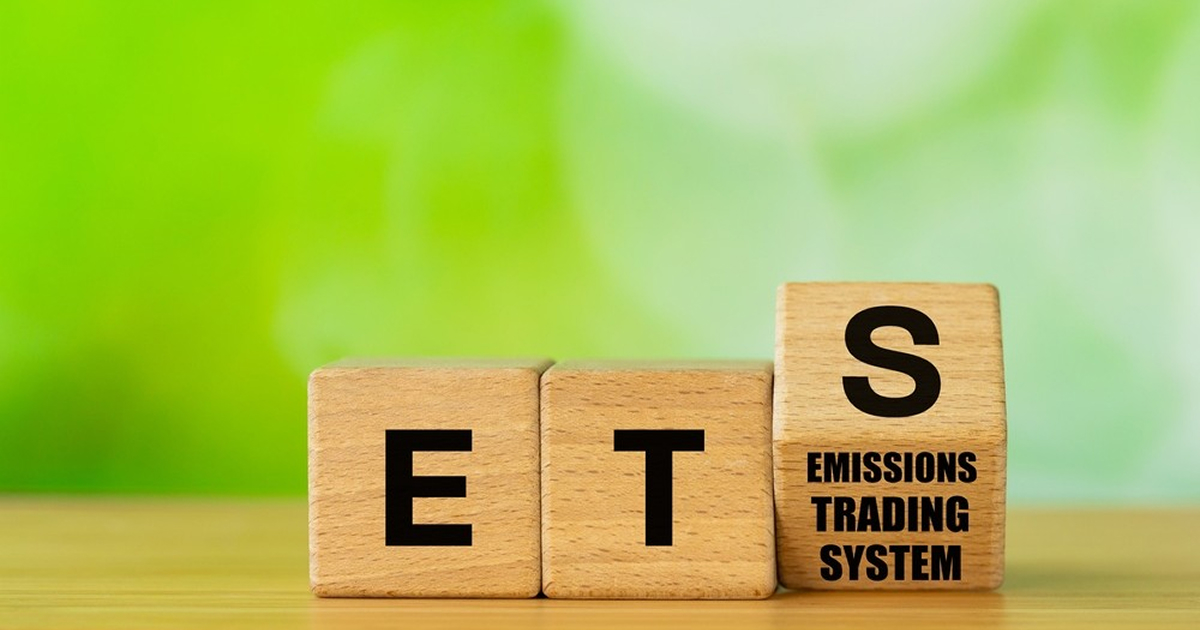
Confindustria, the Italian association representing the country’s manufacturing and service companies, has once again highlighted the need to review the European Emissions Trading System (ETS). This was reported by SteelOrbis.
Antonio Gozzi, Confindustria’s special adviser on European strategic autonomy, competitiveness and the Mattia Plan, emphasised the importance of rectifying certain mechanisms that currently risk undermining the competitiveness of European industry. These remarks were made in Brussels.
According to him, the ETS has played an important role in the decarbonisation of European industry, but developments in recent years call for pragmatic action. Gozzi pointed out that since 2017, the price of CO₂ has risen from around $5–8/t to nearly $100/t. This has led to a sharp increase in costs for European manufacturers. Furthermore, this increase is unparalleled in major competing economies.
Furthermore, the impact of the ETS affects not only companies’ direct emissions but is also reflected in electricity costs. According to various estimates, the mechanism contributes to an increase in electricity prices of approximately €25–30/MWh during hours when prices are set by gas-fired combined-cycle power stations.
Confindustria is calling for a pragmatic review of the ETS, without calling into question the decarbonisation targets. Gozzi welcomed the fact that the issue has finally become the subject of European debate.
Aurelio Regina, the association’s vice-president for energy affairs, Eunews writes, noted ahead of the European Commission’s discussion of the issue that Italian industry has no intention of halting the green transition or dismantling European mechanisms for reducing emissions. However, the revision of the ETS must be compatible with the real needs of industry and take into account the fundamental mechanisms of the system. Confindustria notes that the revision process is being strongly demanded not only by Italy but also by an increasing number of Member States.
Meanwhile, according to Reuters, an internal European Commission document states that the ETS review will increase the volume of free emission allowances for industrial enterprises in exchange for their investments in the EU.
Specifically, the review will require national governments to spend the majority of the revenue they receive from the ETS on decarbonising the industrial sectors covered by the scheme and on a more comprehensive use of the special reserve.
The bloc had planned to gradually reduce the number of free CO2 emission allowances, but faced resistance from companies and governments seeking to retain them to preserve European competitiveness. The European Commission is set to propose the ETS revision on 15 July.
As a reminder, in May the EC proposed updated ETS targets for 2026–2030. The document provides for the allocation of a greater number of free emission allowances to industry over the next few years.
-

Opinions Industry steel consumption
13 July 2026
25 July 2026
23 July 2026
22 July 2026