




News Global Market energy crisis 1581 24 March 2026
An aggressive decarbonization program helps the company save on diesel fuel
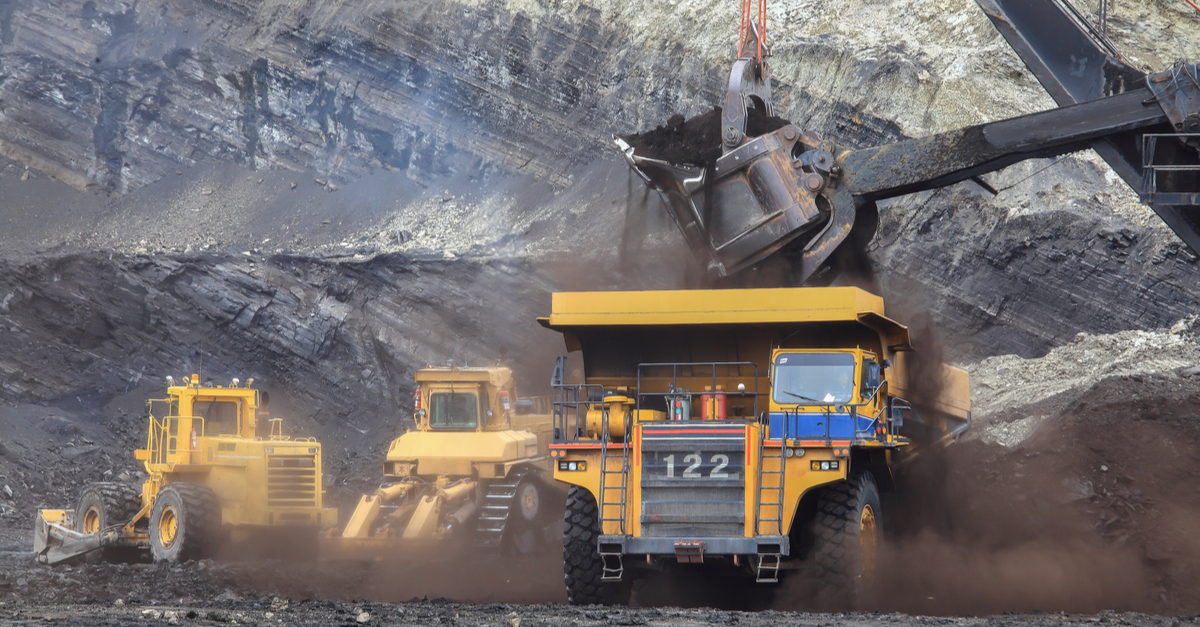
Iron ore companies risk incurring billions of dollars in additional costs if diesel prices continue to rise. This was stated by Dino Otranto, Fortescue’s chief executive officer of steel industry and operations, according to Reuters.
The escalation of the conflict in the Middle East has virtually halted shipments through the Strait of Hormuz, leading to higher oil and gas prices and reduced diesel fuel supplies—the latter being essential for the mining sector. According to LSEG (London Stock Exchange Group), benchmark diesel swaps in Singapore were trading at just over $180 per barrel on March 23, compared to $92.5 per barrel before the war against Iran began.
“A 10-cent change in the price of diesel impacts us by $70 million. If you look at our competitors, the top four, every 10-cent movement has a half a billion U.S. dollar impact on the cost structure,” Otranto noted.
Fortescue sources most of its fuel from Southeast Asia; however, he said the company is comfortable with its current stockpiles as long as the conflict does not escalate.
Fortescue sources most of its fuel from Southeast Asia; however, according to him, the company is satisfied with its current supplies as long as the conflict does not escalate.
At the same time, ambitious goals and an aggressive decarbonization program, according to Otranto, have helped Fortescue reduce such costs. For instance, over the next 12 months, the company will save at least $100 million on diesel fuel thanks to its efforts to electrify production using renewable energy sources. Over the next few years, the mining giant plans to reduce consumption by 1 billion liters of diesel equivalent.
Fortescue also expects that the extensive use of Chinese capital and mining equipment will set it apart from competing iron ore producers, as Beijing seeks to expand its influence in the market, Dino Otranto said in an interview with Bloomberg Television. According to him, the state-owned buyer—China Mineral Resources Group—has stated from the outset that it wants better terms and greater investment, and Fortescue has taken steps to purchase equipment from Chinese suppliers, including placing a large order for trucks.
In addition, Fortescue and Rio Tinto have already changed the index they use for pricing some of their iron ore contracts under agreements with CMRG.
As a reminder, India’s steel industry has faced a shortage of gas supplies. Disruptions in fuel and maritime operations amid the escalation in the Middle East have begun to affect companies.
-

Opinions Industry steel consumption
13 July 2026
13 July 2026

13 July 2026
13 July 2026