




News Industry collection of scrap 1163 20 October 2025
CEO of Interpipe Vtormet emphasizes that scrap exports increase the deficit and undermine Ukraine's economic and national security
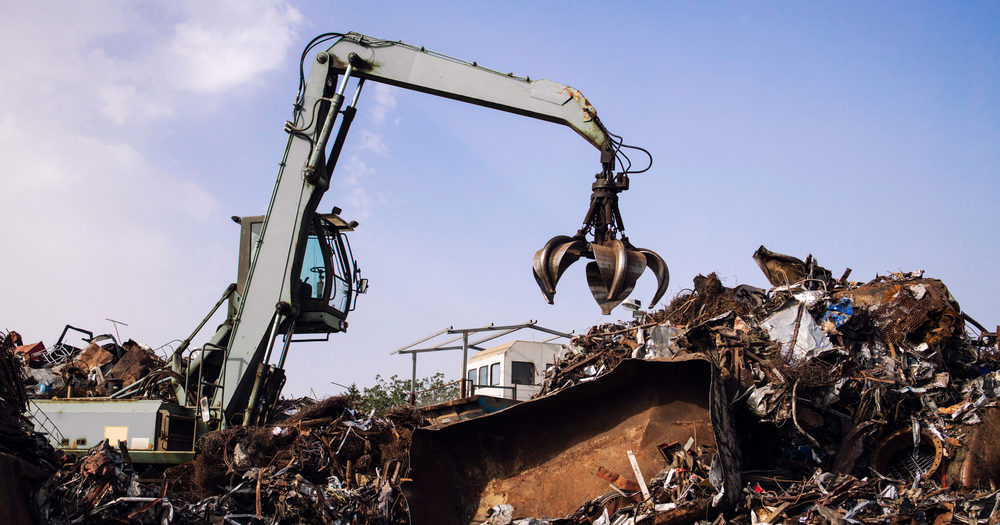
The export of ferrous scrap remains a serious challenge for the Ukrainian steel industry, as it exacerbates the shortage of strategic raw materials on the domestic market. The problem is currently exacerbated by a reduction in areas suitable for scrap collection and a lack of labor and equipment for processing it. This was stated in an interview with Interfax-Ukraine by Valentyn Makarenko, chairman of the board of Interpipe Vtormet.
As the top manager explained, previously, steel mills could partially compensate for the shortage of scrap by increasing the use of pig iron. However, after the Pokrovsk coal mining group shut down and coking coal imports increased, this approach became economically unviable. At the same time, the importance of scrap is growing in the context of decarbonization — it is the electric arc method of steel production based on scrap that is the most efficient and competitive for European markets. It is no coincidence that the EU is resorting to regulatory measures that allow scrap to be kept within the bloc.
According to Makarenko, in 2023-2025, the scrap shortage in Ukraine was mainly compensated for by prolonged downtime at large industrial complexes, which cannot be considered a stable solution. Therefore, he considers an administrative ban on exports at the state level to be the only effective mechanism for preserving raw materials.
“Perhaps some may consider this a non-market approach. However, it is important to realize that Ukraine is currently integrated into a global economy that is increasingly turning to protectionism, with markets introducing protective barriers that contradict previous agreements,” he emphasized.
Makarenko believes that the introduction of quotas or tariffs will not work, as it will create risks of corruption and abuse. Instead, a complete ban will quickly stabilize the market and provide the steel industry with resources.
The economic feasibility is also obvious. According to experts, each ton of scrap exported deprives Ukraine of five times the amount of foreign exchange earnings compared to the export of finished steel products. In addition, domestic steel production creates added value – from wages and taxes to energy and equipment maintenance costs. Taxes on exports of finished products, he stressed, are tens and hundreds of times higher than those on exports of raw materials.
“The issue of export bans is a matter of utmost importance for Ukraine’s survival and for providing the front with everything it needs. A decisive and strong-willed decision is needed to take urgent, albeit unpopular, but economically justified and extremely necessary measures for the country,” Makarenko concluded.
Ukraine’s scrap industry increased its exports of ferrous scrap by 54.1% year-on-year in January-September 2025, to 311,840 tons. This figure has already exceeded last year’s total shipments by more than 18,000 tons. Poland remains the key export destination.
-

15 June 2026
22 June 2026
22 June 2026
19 June 2026