




News Companies Thyssenkrupp 5558 23 September 2025
Hypothetical European asset could offer a number of other advantages
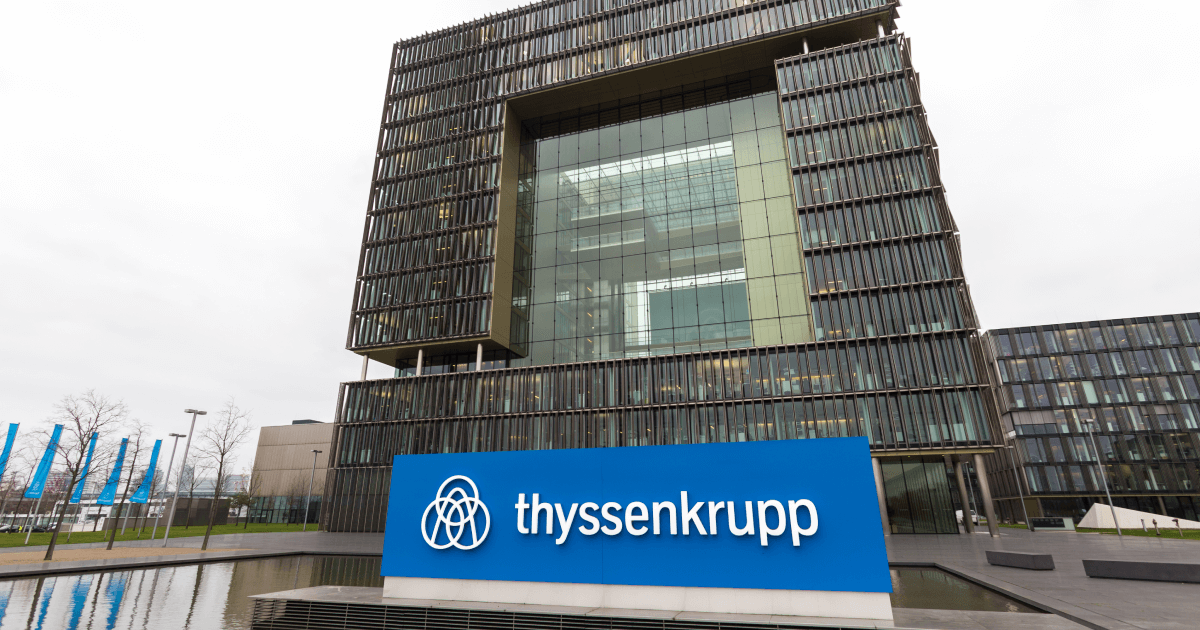
Jindal Steel’s non-binding offer to acquire Thyssenkrupp’s (TKSE) steel division could give the Indian company a potential competitive advantage, for example, by producing in a region without CBAM. This was reported by Fastmarkets.
Market sources believe that Jindal’s offer is strategically attractive, as production in the EU would protect its hypothetical European steel division from protective tariffs and levies under the cross-border carbon adjustment mechanism, as well as provide access to potential subsidies for “green” steel.
However, industry insiders also noted difficulties in concluding the deal, given the need for union support and TKSE’s pension obligations. In addition, synergies with Jindal’s operations in Oman could affect Duisburg’s future steel and semi-finished product production capacity.
As one industry source noted, Jindal’s interest in acquiring a large European steelmaking asset is reminiscent of the strategic model established by Lakshmi Mittal. This refers to his acquisition in Germany in the late 1990s and then the creation of ArcelorMittal in 2006. This model was seen as a blueprint for Indian companies seeking to expand into Europe. Another example is Tata Steel’s acquisition of the British-Dutch group Corus in 2007, which later became Tata Steel Europe.
In September, German group Thyssenkrupp announced that it had received a non-binding offer to acquire its TKSE steelmaking division from Indian group Jindal Steel International. The financial details have not been disclosed, but it is known that Jindal is ready to invest more than €2 billion in the development of electric arc furnaces and the completion of a green steel production project in Duisburg. In addition, the Indian company has announced its readiness to assume TKSE’s pension obligations amounting to approximately €2.7 billion.
-

Opinions Industry macroeconomics
28 May 2026
04 June 2026
03 June 2026
03 June 2026