




News Companies Thyssenkrupp 1921 26 March 2026
The plant in Isberg will be completely shut down from June through September, putting 1,200 jobs at risk
The German steelmaker Thyssenkrupp is extending production cuts at its plant in Isbergues in northern France, citing a flood of imports into the European market. Reuters reported this, citing a statement from the company.
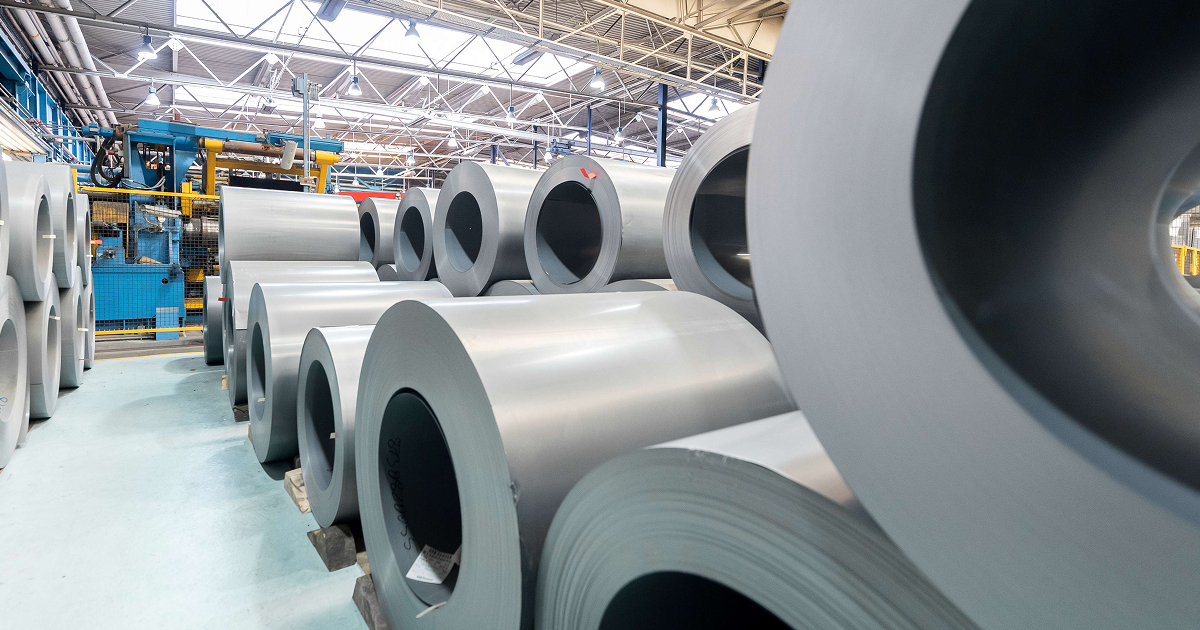
The plant, which specializes in the production of grain-oriented electrical steel, has been operating at half capacity since January 2026. Now, Thyssenkrupp has announced a complete halt to production in Isbergues from June through September. As a result, 1,200 jobs in Germany and France are at risk.
The company notes that the European market for grain-oriented electrical steel is under significant pressure. This type of product is critical for power grids and is used, in particular, in transformers and other electrical equipment.
Thyssenkrupp emphasizes that imports of this product are currently not covered by the European Union’s plans to strengthen protection of the steel market. This refers to the EU’s initiative to nearly halve duty-free quotas for steel imports and impose a 50% tariff on shipments exceeding the quota. However, grain-oriented electrical steel is not covered by these measures, which, according to the company, worsens competitive conditions for European producers.
Thyssenkrupp also reported that it is in talks with the European Commission and is counting on the swift introduction of effective protective measures to support employees and stabilize the market situation.
As a reminder, in December 2025, Thyssenkrupp Electrical Steel announced a temporary shutdown of its plants in Gelsenkirchen (Germany) and Isbergues (France) due to a sharp increase in cheap imports, primarily from Asia. The company noted that starting in January 2026, the French facility would operate at 50% capacity for at least four months. TKES emphasized that imports of grain-oriented electrical steel to the EU had tripled since 2022 and increased by another 50% in 2025, leading to underutilization of European production capacity.
-

15 June 2026

22 June 2026

22 June 2026
22 June 2026