




News Global Market CBAM 3562 17 December 2025
According to the EC's proposals, this concerns 180 new products
The EU will strengthen its Carbon Border Adjustment Mechanism (CBAM) by adding a wide range of industrial goods, mainly those containing steel or aluminum.
This is evidenced by draft EC legislation, writes Dan Maleski, head of the CBAM hedging and risk advisory team at Redshaw Advisors.
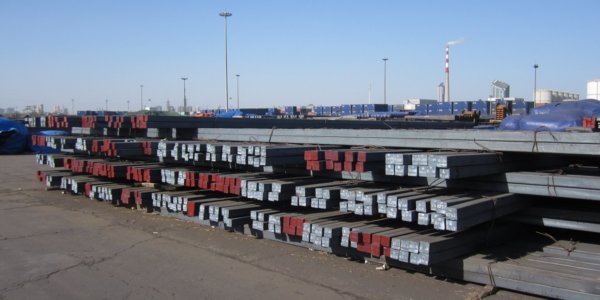
In total, there are 180 new products, including iron and steel products (pipes, hollow sections, structural steel, railway materials, screws, bolts, composite metal products, furniture fittings, etc.), machinery and industrial equipment (e.g., refrigeration equipment, pumps, compressors, filters, conveyors). The greenhouse gases covered are CO₂ for most goods and CO₂ plus perfluorocarbons (PFCs) when aluminum components are used.
As Maleski notes, in addition to expanding the scope of the mechanism, the EU proposal also signals its strengthening, including updated rules for electricity imports, tougher measures against circumvention and misdeclaration, and closer attention to scrap and precursors (products used for further processing).
According to the expert’s estimates, 7,500 additional importers will fall under the scope of CBAM. In his opinion, this will transform the mechanism into a full-fledged carbon tool in the value chain, rather than remaining a niche cross-border tax.
The updated rules on electricity will apply from January 1, 2026, and the new sectors covered will be included from 2028.
Dan Maleski notes that the projects presented are probably not the final expansion of the CBAM, as new sectors are being considered. For example, organic chemicals and polymers have already been identified for future inclusion. The addition of these products alone will add about 800 CN codes to the mechanism.
According to the EC’s announcement, the lower-tier goods that have been added are products with a high risk of carbon leakage and a high proportion of steel and/or aluminum (79% of content on average). Imports of certain lower-tier goods in total account for about 15% of CBAM products already covered by its scope. In value terms, this share is about 53%. It is estimated that by 2030, the expected revenue from these added goods will be about 20-25% of the revenue expected under the current scope of the CBAM.
As a reminder, the European Commission recently published an update on the integration of the cross-border carbon adjustment mechanism into the TARIC customs tariff database system. From January 1, 2026, specific document codes (new Y-type certificates) must be declared in the customs declaration for CBAM goods.
-

Opinions Industry macroeconomics
28 May 2026
03 June 2026

03 June 2026

03 June 2026