




News Companies декарбонізація 9964 14 October 2025
The funds will be used for infrastructure, rising costs, and creating a financial buffer for the project in Boden
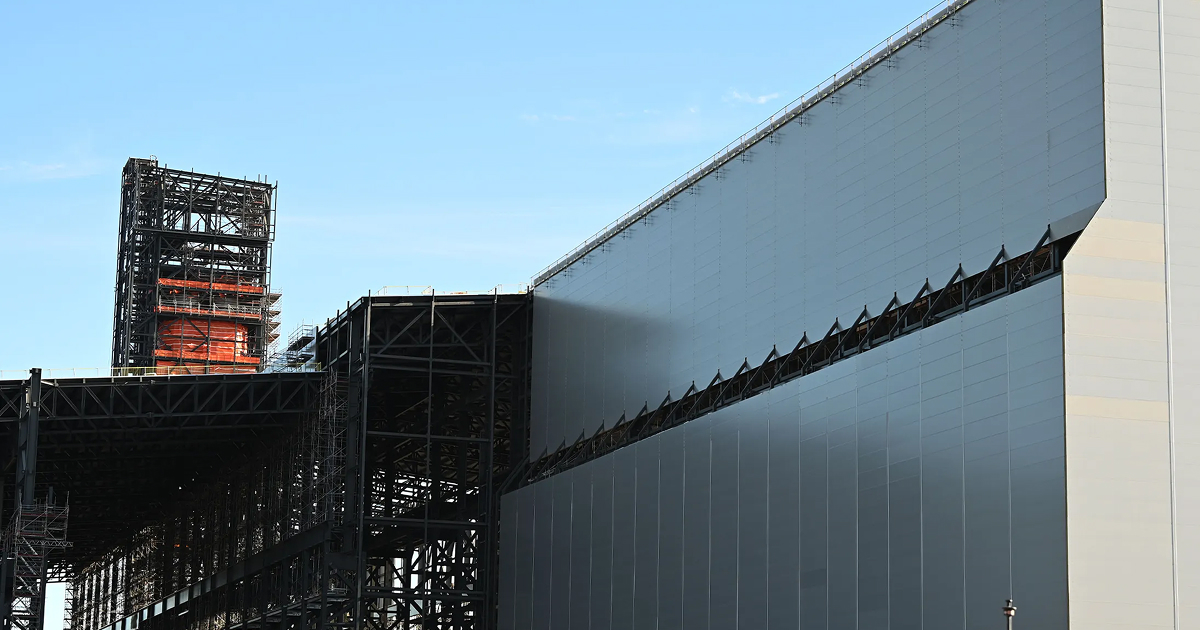
Swedish startup Stegra (formerly H2 Green Steel) has announced a new round of financing for the construction of the world’s first large-scale green steel plant in Boden. Production is planned using hydrogen produced on site from renewable energy.
According to Reuters, the company plans to raise additional funding of up to €975 million ($1.1 billion).
According to CEO Henrik Henriksson, Stegra has received strong support from its founders and key investors.
“This is further confirmation that Stegra’s business model is viable. We have a unique position in the green steel market thanks to a strong order book, competitive cost structure, and proven project execution capabilities,” he said.
The new financing is expected to account for approximately 15% of the total project budget and will include a combination of equity, debt instruments, outsourcing, and strategic partnerships. The company is in the final stages of negotiations for part of the infrastructure work.
“We have already completed more than 60% of the project and have a clear plan for completion, including a three-month extension of the schedule for the expanded scope of work. The new round of financing will give us additional strength to move forward with confidence,” Henriksson emphasized.
The funds are planned to be used for internal financing of key infrastructure projects, including railway and port investments, which were originally to be covered by external partners. Now Stegra will design, build, and own these assets independently, gaining more control over the implementation schedule. Additional funding will cover preparatory work and increases in the cost of materials, construction, and installation.
As reported by GMK Center, large European metallurgical companies have postponed their green transformation plans, seeking greater certainty, in particular, regarding the bloc’s steps to protect the industry and the market.
For example, in September this year, Salzgitter announced its decision to postpone the next stages of its large-scale green project Salcos for three years. And in June, ArcelorMittal canceled the EAF-DRI project aimed at decarbonizing its plants in Bremen and Eisenhüttenstadt. Earlier, in November 2024, the company postponed its green investment decisions in Europe due to unfavorable political and market conditions and energy costs. Stegra sought alternative financing options after being denied a previously approved grant, part of which was to come from the Climate Leap fund.
At the same time, Germany’s SHS-Gruppe (Stahl-Holding-Saar Gruppe), together with its subsidiaries Dillinger and Saarstahl, secured financing for its Power4Steel transformation project, with a total package of approximately €1.7 billion.
-

02 July 2026
09 July 2026
06 July 2026
06 July 2026