




News Global Market EUROFER 3123 11 September 2025
At the same time, apparent consumption grew by 2.2% y/y
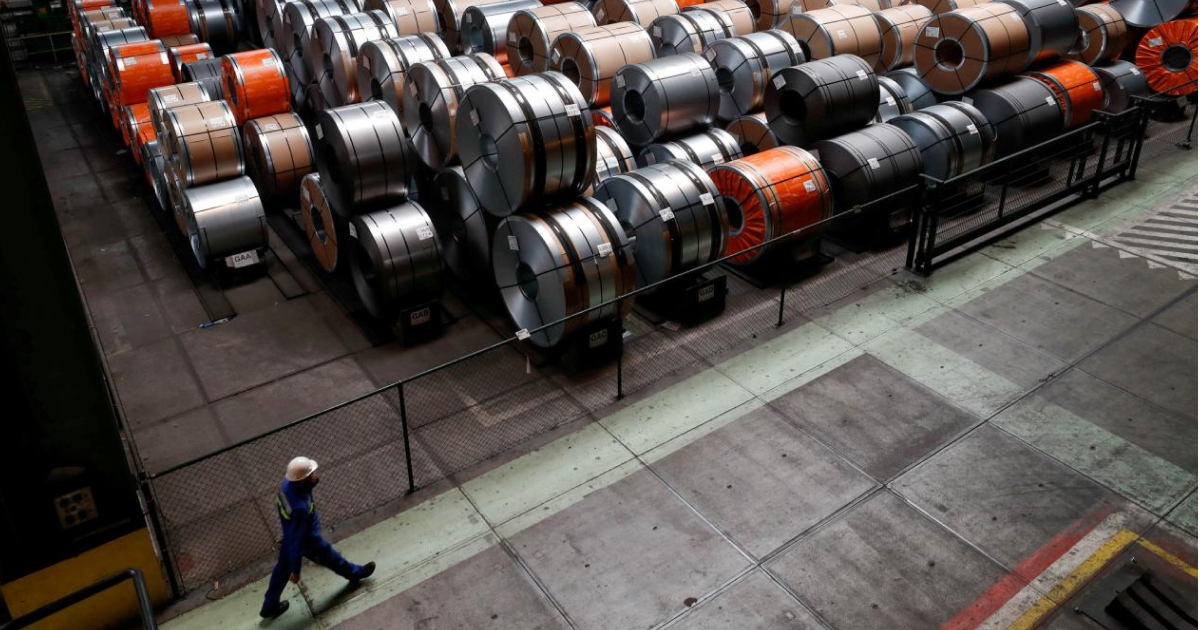
In Q1 2025, the European Union steel market showed mixed dynamics. According to the quarterly report of the European Steel Association (EUROFER), real steel consumption declined for the eleventh consecutive quarter, falling 5.5% year-on-year after a 7.6% drop in the fourth quarter of 2024. This indicates a continuation of the prolonged recession in steel-consuming sectors, which has been ongoing since 2019, exacerbated by the pandemic, the war in Ukraine, and geopolitical risks.
Analysts predict that in 2025, real consumption will continue to decline at a rate of -2.3% y/y, before a weak rebound of +0.8% is possible in 2026. High uncertainty in industry and low business confidence are delaying the recovery process until at least early 2026.
At the same time, apparent steel consumption in Q1 2025 recorded a 2.2% y/y increase, which was the second consecutive quarter of positive dynamics after a 0.5% rise at the end of 2024. The total volume amounted to 33.8 million tons. This growth is explained by the low base of the previous year and does not signal a real revival in demand.
In 2022, the EU faced a sharp drop in apparent consumption of 8% y/y due to the energy crisis and the consequences of the war. In 2023 and 2024, the negative trend continued (-6% y/y and -1.1% y/y, respectively). A further, albeit moderate, decline of 0.2% y/y is forecast for 2025. Recovery is only expected in 2026, when consumption could grow by 3.1% y/y, provided that industrial demand improves and global tensions ease.
Thus, at the beginning of 2025, the EU steel market remained in a state of structural weakness: real demand continued to fall, while apparent consumption showed temporary growth against a low base of comparison.
Earlier, EUROFER criticized the new trade agreement between the EU and the US, stating that it does not solve the key problem – 50% tariffs on European steel imports to the US remain in force. According to the association, despite the diplomatic efforts of the European Commission, the EU steel sector continues to suffer significant losses.
-

Opinions Industry steel consumption
13 July 2026
26 July 2026
24 July 2026
24 July 2026