




The suspension of operations from mid-April through November will reduce pellet shipments in 2026 by approximately 2 million tons
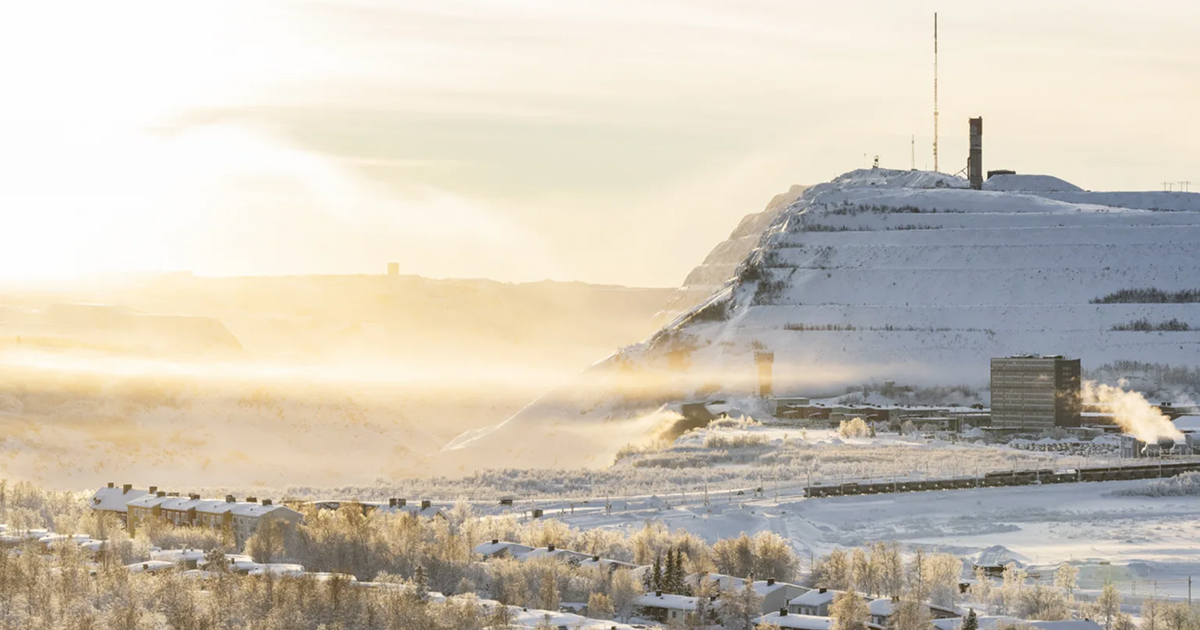
The Swedish mining company LKAB is changing its production plan at the Kiruna deposit to ensure safe and stable operations in the long term. Due to local mining and geological conditions, the company is forced to adjust the mining sequence, which will temporarily reduce the volume of raw materials for the pellet plants, according to a press release.
As a result, operations at one of the plants at the deposit—KK3—will be suspended from mid-April through November of this year. According to LKAB’s estimates, this will lead to a reduction in finished product shipments in 2026 of approximately 2 million tons.
As Peter Richardson, SVP for Business Area Iron Ore at LKAB, explained, the decision is related to the need to adapt mining operations to the changed mechanical properties of the rock. According to him, the company is acting responsibly to maintain safe and stable operations, and a return to production volumes comparable to last year is expected as early as 2027.
The choice of KK3 was also influenced by supply disruptions to the Middle East. A significant portion of the product for customers in this region is processed at this plant, and due to the war, some customers are currently unable to accept shipments. The company emphasizes that no significant impact is expected for existing customers outside the Strait of Hormuz.
LKAB notes that the reduction in production will not result in layoffs. Instead, the company plans to temporarily reassign employees to other areas in coordination with the unions and staff. At the same time, the downtime will be used for planning and preventive maintenance of the facility.
To partially offset the loss of output in Kiruna, LKAB is also exploring the possibility of utilizing other sections of the mine. The company states that it is focused on stabilizing production in the short term and finding ways to further increase it.
As reported by GMK Center, LKAB increased its production of iron ore raw materials by 14.7% in January–September 2025 compared to the same period in 2024, reaching 19.4 million tons. Shipments rose by 23.7% year-on-year – to 18.8 million tons.
-

15 June 2026

22 June 2026
22 June 2026
22 June 2026