




News Companies Liberty Galati 4302 06 August 2025
It includes refocusing on the Romanian market and optimizing production costs
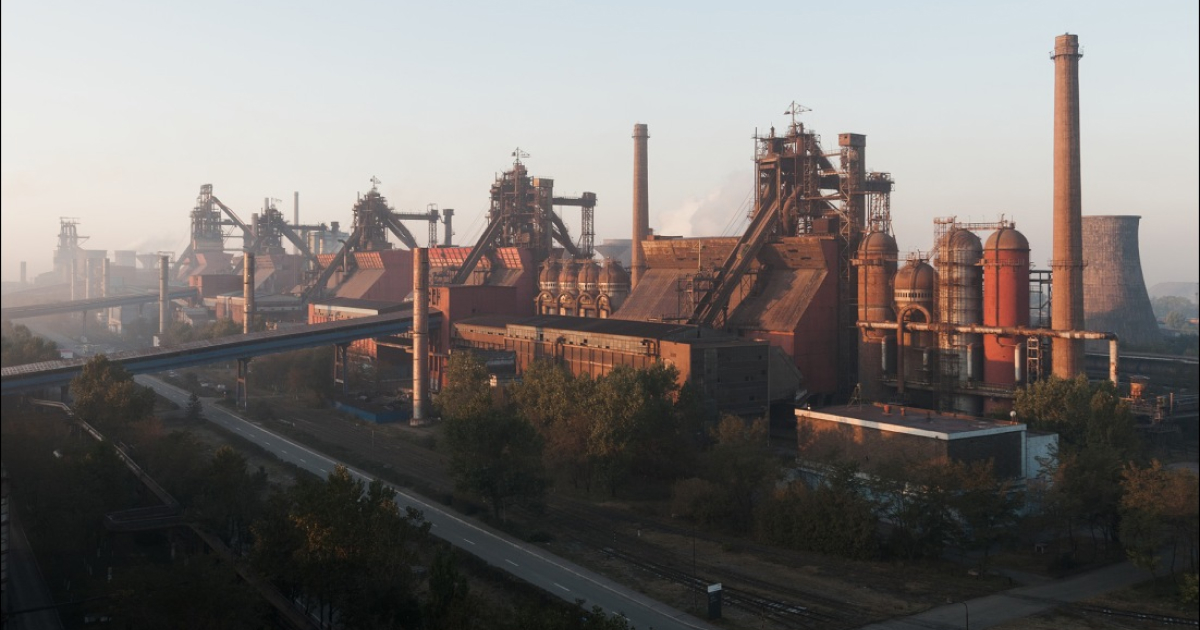
The restructuring plan for Liberty Galati, the largest metallurgical enterprise, has been approved by a majority of creditors and confirmed by the Galati Court. This is stated in a press release from the Liberty Group.
As noted, the plan, prepared by the company together with a consortium of administrators, was communicated to 1,200 creditors on July 17, and they voted on it until July 30. Approval was received from 52% of creditors, while 20% voted against it.
The restructuring plan includes, among other things, the repayment of significant portions of the company’s debt, full payment of wage claims, particularly in Belgium, in the amount of 497 million lei, full payment of services to key suppliers, and payments to secured and unsecured creditors.
It focuses on five key areas of action:
- strategic repositioning of the plant and reorientation towards the Romanian market,
- increasing the transparency of the decision-making process and transferring all management decisions to Romania,
- optimizing production costs and reducing dependence on certain suppliers,
- monetizing non-productive and surplus assets,
- securing the financing necessary to ensure business continuity and further development.
As Liberty notes, substantive negotiations are currently underway with international investment funds and Romanian entrepreneurs regarding the capitalization of the company.
“This integrated approach aims to create a balanced financial structure that combines private capital, shareholder contributions, and liquidity generated through the monetization of secondary assets,” the statement said.
Remus Borza, president of EuroInsol, which is part of the consortium of administrators, noted that in the current geopolitical context, Liberty Galati is a strategic company for both Romania and Europe.
“Thousands of local suppliers are directly dependent on the plant’s operation, and the socio-economic impact of its recovery is enormous: over 40,000 direct and indirect jobs, as well as the preservation of a local source of steel for key sectors such as industry, infrastructure, defense, and shipbuilding,” he said.
Borza referred to EuroInsol’s experience in transforming Hidroelectrica from an insolvent company into Romania’s most profitable enterprise and the possibility of applying the same strategy to Liberty Galati.
Despite the financial crisis, Liberty Galați resumed operations of its thick plate rolling mill, a key unit for the production of steel for infrastructure, shipbuilding, and pipe products, in early July. However, the launch of production automatically increased the plant’s daily costs to almost €4 million.
-

Opinions Industry macroeconomics
28 May 2026
03 June 2026
03 June 2026
03 June 2026