




News Industry ціни на електроенергію 7683 14 November 2025
The association considers reducing network tariffs to be a key step
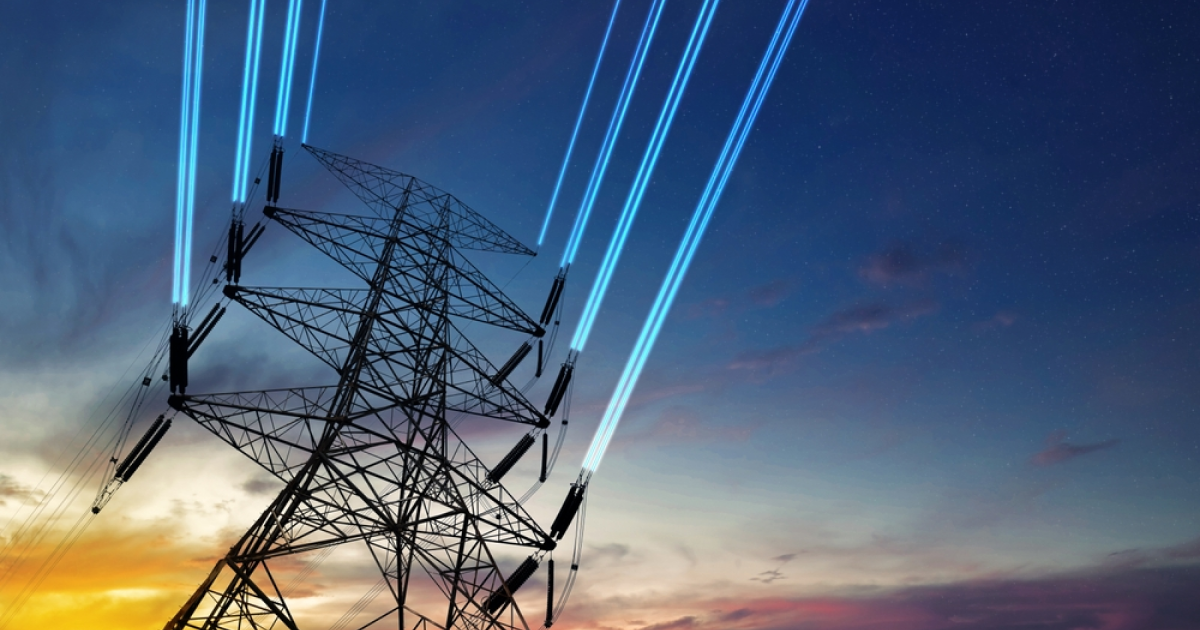
The German Steel Association (WVStahl) has welcomed the coalition committee’s agreement on the first key points of the price for industrial electricity in the country.
The goal is a price of 5 euro cents per kWh for energy-intensive industries over the next three years.
From WVStahl’s point of view, this is an important signal from the federal government. However, due to European state aid rules under the Clean Industrial Deal State Aid Framework, the steel industry is excluded from the regulation.
At the same time, explains Kerstin Maria Rippel, managing director of WVStahl, relief is urgently needed.
“The current uncompetitive electricity prices pose an existential threat, especially for medium-sized electric steel mills that already produce low-CO2 products,” she explained.
In addition, expensive electricity is hindering the “green” transformation of the steel industry.
The association believes that for the price of electricity for industry to have a real impact, the EU state aid system needs to be adapted by removing key restrictions. The effective cost for industrial sectors should apply to all electricity consumption and be combined with CO2 compensation without restrictions.
“We need a comprehensive, sustainable, and very specific solution: an internationally competitive electricity price for industry of €30 to €60 per MWh on an all-inclusive basis, i.e., including network charges and all taxes and levies,” explained Rippel.
WVStahl also noted that the German government is in favor of continuing electricity price compensation after 2030 and stressed the importance of raising the state aid limit.
In addition, the German Bundestag has passed another measure to reduce electricity costs that fall under national jurisdiction. This involves the restoration of subsidies for network usage fees from 2026 in the amount of €6.5 billion. The association noted that this is a long-overdue step. For the German metallurgical industry alone, the additional costs since the last subsidy was discontinued in 2023 amount to €300 million. However, WVStahl believes that network tariffs should be reliably and permanently capped, and the subsidy for the coming years should be legally and unambiguously enshrined.
Germany expects industrial electricity prices to be introduced in 2026. Negotiations with the European Commission on this issue are in the final stages.
-
Opinions Industry steel consumption
13 July 2026
10 July 2026

09 July 2026
09 July 2026