




Next year, the company plans to reach 500 thousand tons
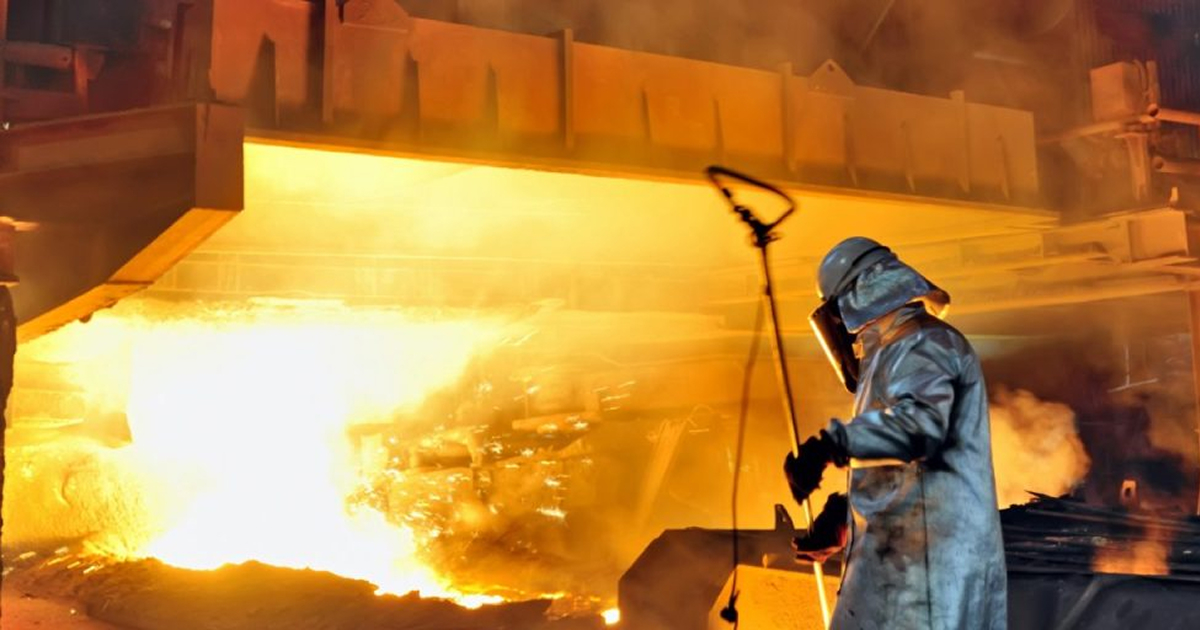
The Polish steel plant Huta Częstochowa, managed by the state-owned company Węglokoks, resumed production in January this year and is gradually increasing its output. By the end of September, the company had produced 213,000 tons of steel and sold 160,000 tons of flat rolled products. By the end of the year, it plans to reach 300,000 tons, and in 2026, 0.5 million tons. This was announced by Adrian Senicki, president of Huta Częstochowa and vice president of Węglokoks, according to netTG.
According to him, this year has been a period of recovery for the plant, which had to be practically rebuilt from scratch, but the company is already showing steady growth. In February, the production of thick-gauge rolled products was launched, and now the plant supplies products for both civilian and defense purposes. In particular, this refers to dual-use steels, the production of which is carried out on the basis of AQAP certificates.
A characteristic feature of the new stage of the company’s development is innovative products, such as low-silicon and high-deformation low-carbon steel, developed by the plant’s specialists. As Senicki emphasized, Częstochowa already supplies sheets for shipbuilding and has made its first deliveries for land and offshore wind farms.
The manager paid special attention to the prospect of obtaining a concession for the production of armored and ballistic sheets, which the plant is already technically capable of manufacturing. This could strengthen the plant’s position in the defense sector.
At the same time, the company’s activities are affected by the procedure surrounding the form of ownership. After Liberty Częstochowa went bankrupt, its assets were leased to Węglokoks, but the Polish Ministry of Defense exercised its right to purchase strategic elements. The final decision is expected after the appeal procedures are completed.
It should be noted that Huta Częstochowa will soon come under the control of the Polish Ministry of National Defense. Lawyers are finalizing a 120-page agreement that will confirm the transfer of the enterprise to state ownership. This should ensure the plant’s long-term stability and guarantee that its production capacities will work in the interests of both national security and energy transition.
-

Opinions Industry macroeconomics
28 May 2026
04 June 2026

03 June 2026
03 June 2026