




News Global Market Germany 2267 03 September 2025
The government's temporary solution for 2026 does not provide the industry with the necessary planning security
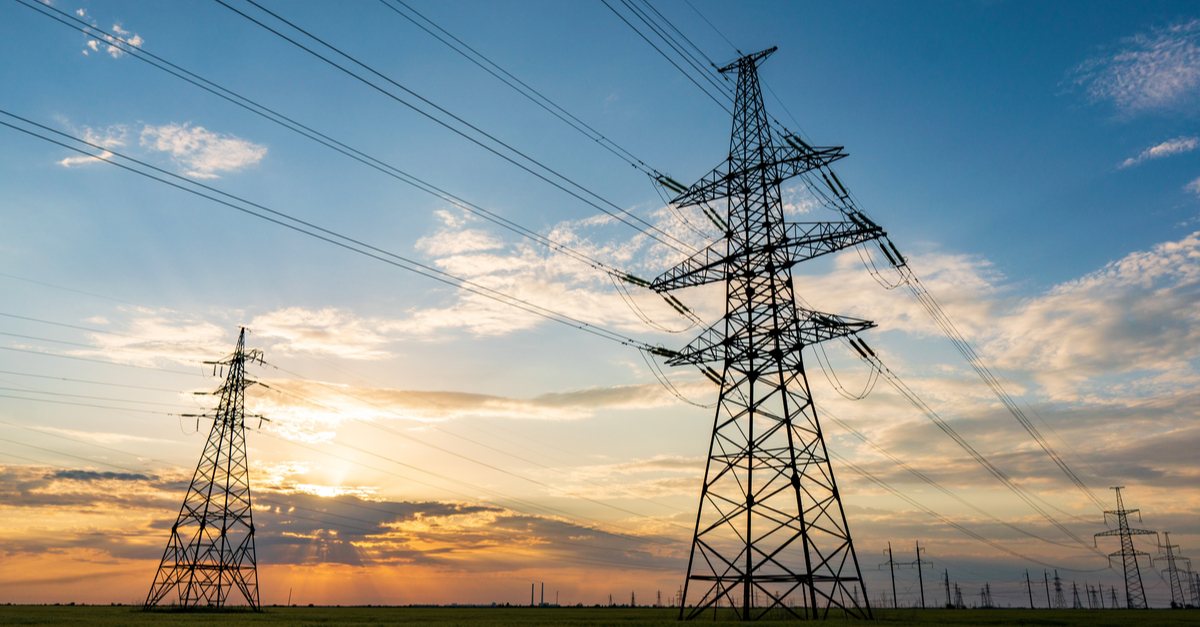
The German government plans to pass a bill that provides subsidies to cover electricity transmission costs. This will reduce electricity network tariffs in 2026. This is an important step for the steel industry, as the cost of electricity transmission rose by 130% after state funding was abolished in 2023, seriously undermining the international competitiveness of companies, according to Wirtschaftsvereinigung Stahl (VW Stahl).
However, the decision will only be valid for one year and may be changed during its term. This means a lack of long-term stability, which is critically important for companies that consume large amounts of electricity.
“We need a reliable and long-term mechanism for reducing tariffs. Annual decisions create new uncertainty, which is poison for competitiveness and investment at a time when the industry is forced to invest billions in the transition to climate neutrality,” emphasized WV Stahl CEO Kerstin Maria Rippel.
The decision for 2026, she said, will only partially relieve the burden on companies. Network development costs will continue to rise, and the lack of a stable mechanism means there is a risk of a significant price jump in the future.
“Every month without subsidies costs the steel industry more than €20 million,” Rippel stressed.
The association is calling on the government to implement the reduction this year, as the relevant promises are enshrined in the coalition agreement and the climate and transformation fund has the necessary resources.
“The government must provide structural and permanent support, otherwise the future of German industry and the green transformation will be at risk,” Rippel concluded.
In July, German steelmakers called for the rapid implementation of the European steel and metals plan. The country’s steel industry association (WVStahl) listed the actions required from the federal government: more reliable protection of foreign trade, competitive electricity prices and, ultimately, a reduction in transmission tariffs, and public procurement that consistently focuses on creating environmentally friendly value “made in Germany and the EU.”
-

15 June 2026
23 June 2026
23 June 2026
23 June 2026