




News Global Market Німеччина 6074 16 September 2025
VWStahl stresses that without lower electricity prices, German steel will lose its competitiveness
On September 15, 2025, the German Federal Ministry for Economic Affairs and Energy presented a monitoring report on the energy transition. Along with an analysis of the current situation, Minister Katarina Reiche proposed ten key measures for reforming the energy transition. This is stated in a press release from the German Steel Association (WV Stahl).
WV Stahl CEO Kerstin Maria Rippel welcomed the government’s intention to intervene more actively in the process. According to her, the primary task is to reduce systemic costs and create a more efficient energy supply model. Particular attention should be paid to supporting energy-intensive industries, as electricity prices in Germany are significantly higher than the international level and undermine the competitiveness of industry.
Among the pressing issues is the creation of a reserve capacity mechanism to ensure a stable electricity supply during periods when generation from renewable sources declines. At the same time, such a mechanism should not increase business costs.
The development of the hydrogen economy has been identified as a key area. Hydrogen will be central to the decarbonization of the steel industry, but the launch of relevant projects requires flexible regulation and affordable prices.
“The right framework conditions need to be created now so that companies can make long-term investment decisions,” Rippel emphasized.
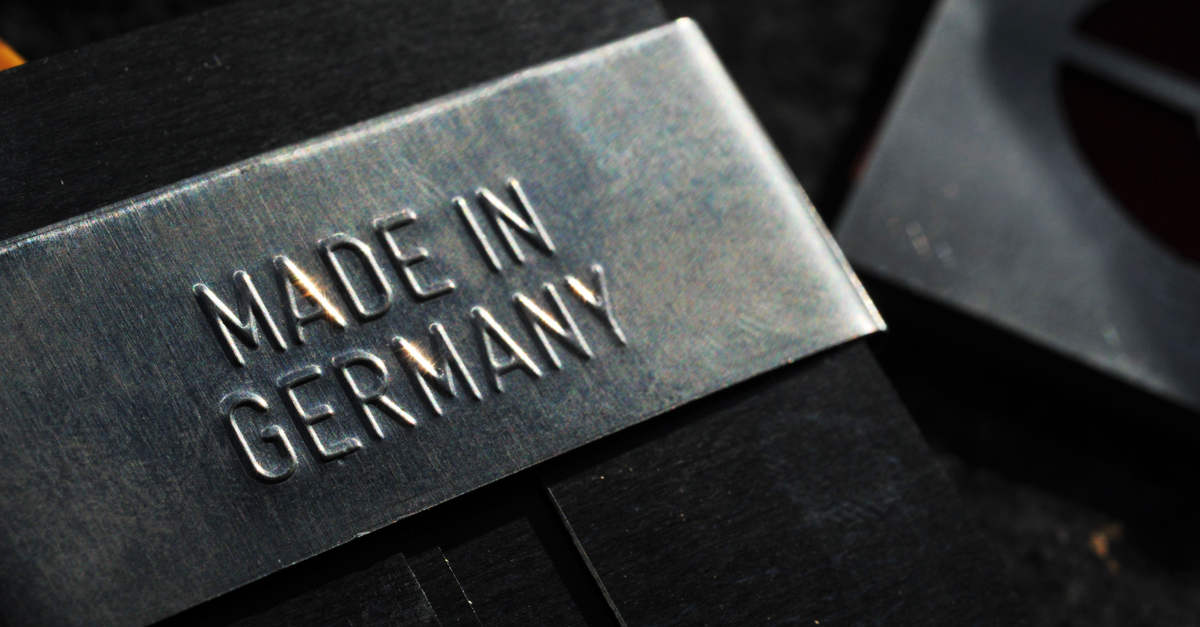
She stressed that the energy transition must be pursued decisively, with the expansion of renewable sources, the strengthening of energy networks, and the large-scale development of hydrogen. Only under these conditions will it be possible to implement the Clean Steel Made in Germany concept.
As a reminder, the German government plans to pass a bill that provides subsidies to cover the costs of electricity transmission. This will allow for a reduction in electricity tariffs in 2026. This is an important step for the steel industry, as the cost of electricity transmission rose by 130% after the abolition of state funding in 2023, which seriously undermined the international competitiveness of companies.
-
Opinions Industry steel consumption
13 July 2026
24 July 2026
24 July 2026
24 July 2026