




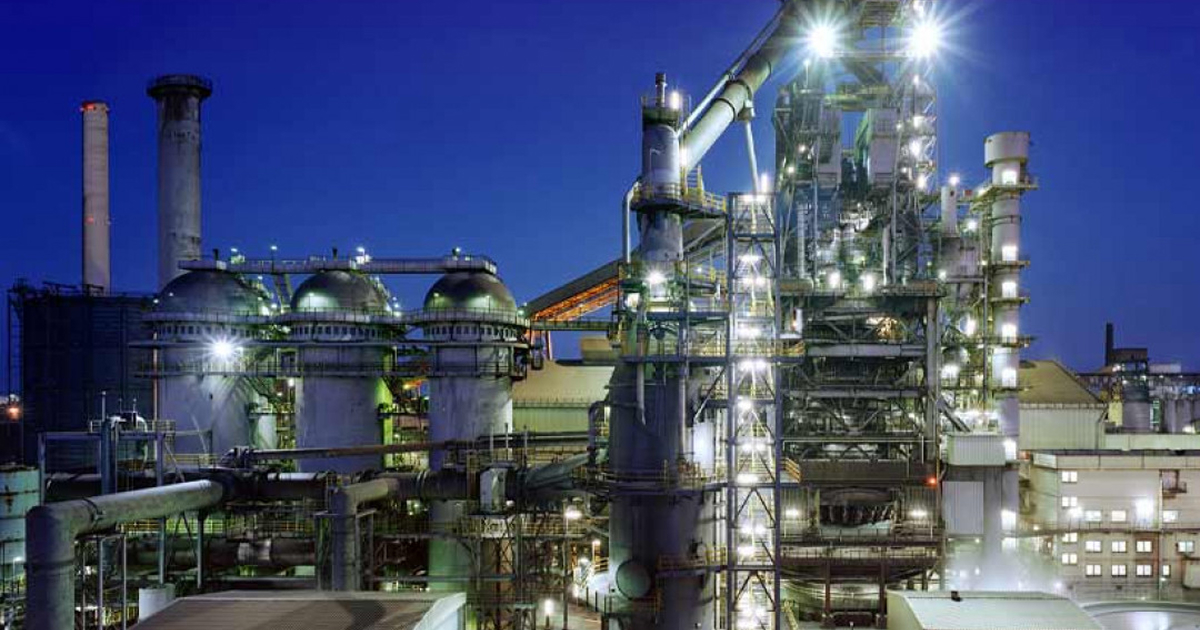
The unit resumed operation on August 30 after a three-month shutdown for scheduled repairs
German thick plate manufacturer Dillinger has restarted blast furnace No. 4 at Rogesa Roheisengesellschaft Saar. The restart took place on August 30, 2025, after the unit had been shut down since May for scheduled maintenance and refractory renewal. This was reported by EUROMETAL.
The company prepared for the shutdown in advance. Even before the repairs began, additional stocks of semi-finished products were created, which made it possible to avoid supply disruptions. In addition, during this period, Rogesa continued to smelt pig iron in blast furnace No. 5, supplying raw materials to Dillinger’s subsidiaries.
According to market participants, the repairs did not affect the situation in the thick-plate segment. Demand was traditionally low during the summer, so the temporary shutdown of the blast furnace did not create a shortage. In Northwest Europe, offers for S235 grade sheet remain within the range of €670-680/t ex-works.
At the same time, German steelmakers are focusing on fulfilling long-term contracts and supplying large infrastructure projects, which supports the stability of spot prices.
The return to operation of blast furnace No. 4 strengthens Dillinger’s production capabilities ahead of autumn, when demand for thick plate steel in Europe is expected to pick up. This will allow the company to respond more flexibly to market needs and strengthen its position among the leading suppliers in the segment.
In January-July 2025, the German steel industry reduced steel production by 12.1% y-o-y – to 19.83 million tons. Oxygen converters produced 13.34 million tons of steel (-16% y-o-y), while electric arc furnaces produced 6.49 million tons (-2.8% y-o-y). Pig iron production fell by 15% y-o-y – to 12.38 million tons in the first seven months of the year. Rolled steel production decreased by 7.8% y-o-y – to 17.75 million tons.
-

Opinions Industry steel consumption
13 July 2026

24 July 2026
23 July 2026
22 July 2026