




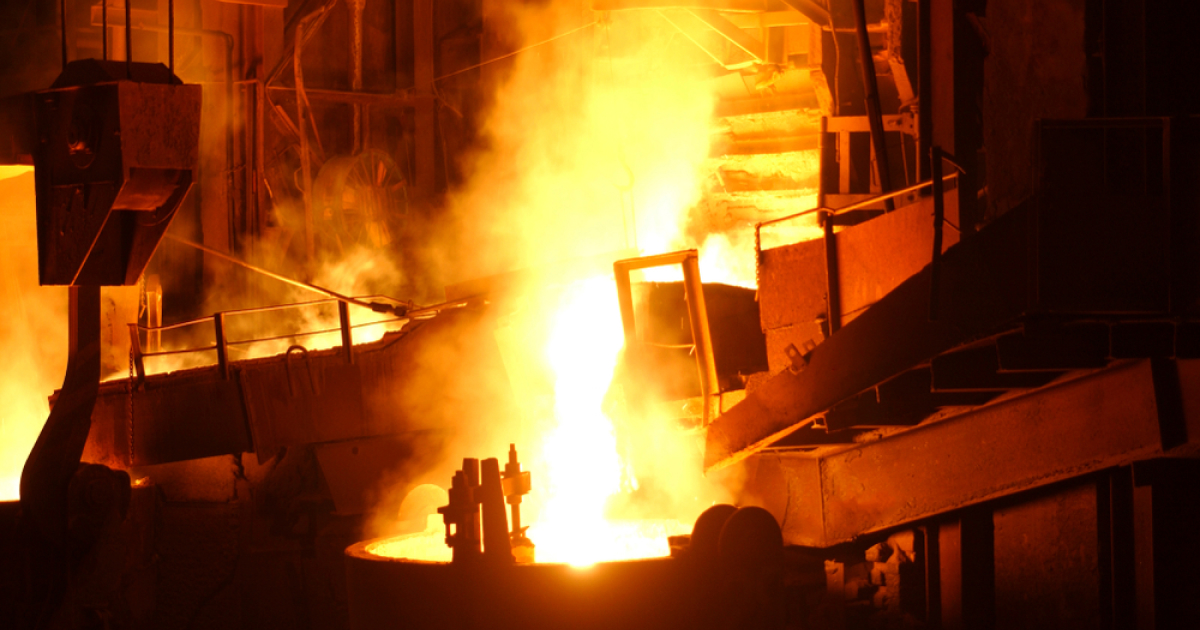
The industry will be affected by high production costs and a seasonal decline in consumption
The steel market in China will remain under pressure due to high raw material prices and the upcoming summer lull in demand, despite the fact that domestic prices for steel products have continued to rise since the second half of April.
This is stated in the monthly report by the China Iron and Steel Association (CISA), according to Mysteel Global.
The association noted uncertainty in the global economy due to geopolitical factors. Global energy prices have surged due to the outbreak of conflict in the Middle East, and the steady rise in the cost of key raw materials for steel production and energy is reducing the profitability of the steel industry.
If the conflict in the Middle East continues to escalate and crude oil prices remain elevated or rise, CISA notes, both ocean freight rates and energy costs will increase, putting additional pressure on steel mills’ profitability.
In addition, the steel market in China is expected to soon enter the summer off-season with low consumption, and demand for steel products from end-users may fall with the upcoming rainy season in the south of the country and high temperatures in the north, which will disrupt construction activity.
CISA warned: the supply-demand balance could deteriorate again if steel demand declines seasonally and mills are unable to adjust their production accordingly.
Thus, steel producers must closely monitor changes in demand and recent developments in the Middle East while continuing to curb production and reduce inventories.
However, China’s continued accommodative monetary policy, combined with accelerated fiscal spending, is expected to provide structural support for domestic steel demand in the second half of this year.
According to relevant documents published in late April, China aims to reduce carbon intensity by more than 65% by 2030 compared to 2005 levels, with non-fossil fuel consumption accounting for about 25%. There is also a need to comprehensively improve energy efficiency in key industrial sectors, including steelmaking, notes CISA.
These policy measures have significantly reinforced market expectations that the production capacity of integrated steelmakers will remain constrained. This is expected to accelerate the gradual phasing out of outdated capacity and help improve the balance of supply and demand in the steel market.
As a reminder, China has unveiled a stricter plan for steel capacity swaps. New projects will require more substantial reductions elsewhere.
-

Opinions Industry steel consumption
13 July 2026

25 July 2026
23 July 2026
22 July 2026