




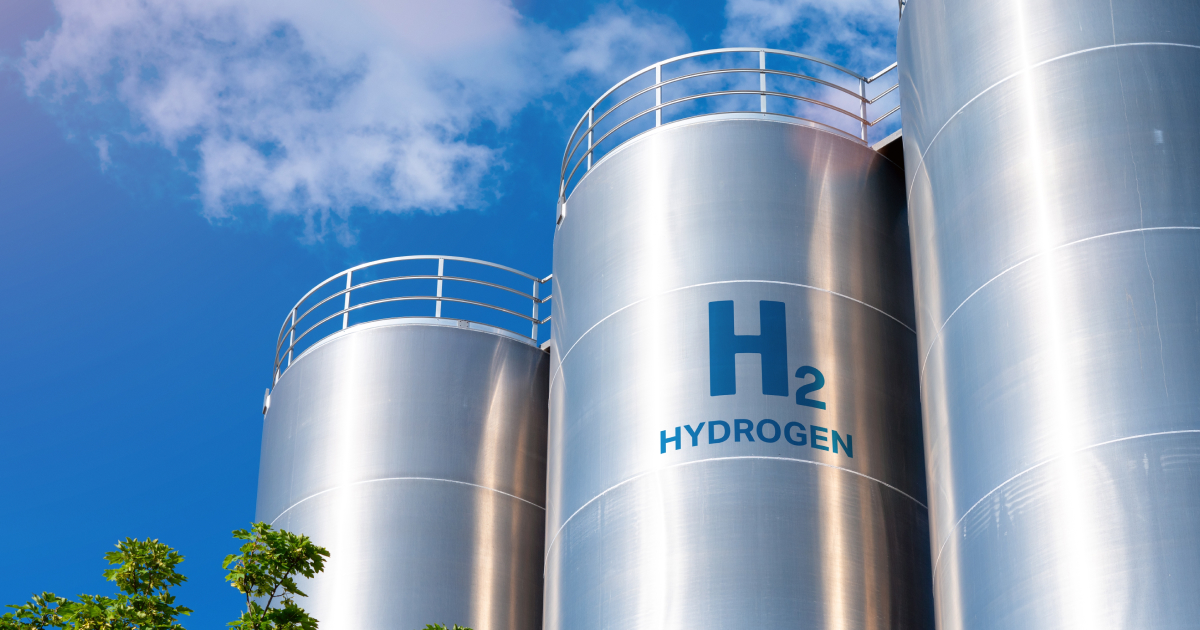
News Green steel воднева металургія 1770 17 May 2026
The key objective of these measures is to lower the price of hydrogen
China has launched a new pilot program to support the development of hydrogen energy, with a particular focus on decarbonizing the steel industry. In March, three government ministries announced an initiative that provides incentives for five urban clusters to achieve hydrogen-related goals—including projects to introduce low-carbon hydrogen in steelmaking. This is reported by Eco Business.
The program is an “expanded version 2.0” of a previous 2021 initiative focused on fuel cells for transportation. The new policy maintains this focus but expands the application of hydrogen to metallurgy, green ammonia and methanol, shipping, and aviation. The total funding amounts to up to 8 billion yuan (≈$1.17 billion) over four years, which is significantly less than the more than 32 billion yuan spent on supporting electric vehicles in 2016–2020.
The key objective is to reduce the price of hydrogen for end consumers: from the current 35–50 yuan/kg to 25 yuan/kg by 2030, and in regions with strong renewable energy potential—to 15 yuan/kg. However, for hydrogen metallurgy, the economically viable level is 10–15 yuan/kg, meaning the goal has not yet been achieved.
Among the industry’s pioneers is the world’s largest steel producer, Baowu Steel, which launched a hydrogen-electric arc furnace line with an annual capacity of 1 million tons at the end of 2025. The company also announced the construction of the Yangjiang hydrogen hub, valued at 11.9 billion yuan, with its own pipeline network. Another large hydrogen-based steelmaking plant is in operation at HBIS in Hebei Province.
Despite this progress, significant challenges remain: coal-fired blast furnaces still account for ~90% of China’s steel production and are the primary source of about 15% of the country’s CO₂ emissions. Experts emphasize that this program is a “catalyst” rather than a large-scale commercial transition. The decisive factor will be not only the reduction in the cost of hydrogen but also the actual domestic demand for low-carbon steel.
As reported by GMK Center, a study by Global Energy Monitor showed that the green transition of the global steel industry is under threat due to the significant costs of blast furnace production and insufficient investment in environmentally friendly methods. Global blast furnace capacity is expected to increase by another 88 million tons by 2035.
-

Opinions Industry macroeconomics
28 May 2026

13 May 2026
11 May 2026
06 May 2026