




News Global Market China 4948 05 March 2026
The country has set a GDP growth target of 4.5-5% for 2026
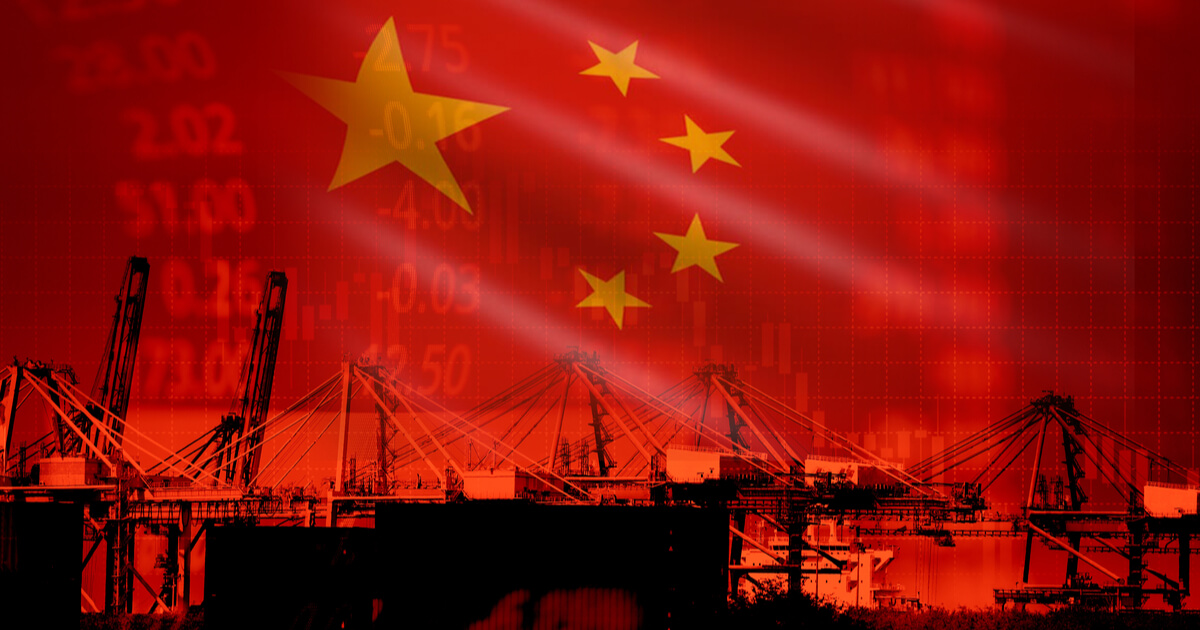
China will take measures to combat excess capacity in steel, oil refining, and other heavy industries, Reuters reports.
According to the annual report of the state planner, the National Development and Reform Commission (NDRC), the process will be carried out in an orderly manner.
The NDRC also announced capacity adjustments in the copper smelting, alumina, and coal chemical sectors, but without directly announcing reductions.
Beijing has long been focused on reforming the steel sector. However, the agency notes that this year’s wording is less specific than at the previous annual meeting of the National People’s Congress. In a similar report from March 2025, Beijing promised to restructure the steel sector by reducing production.
Although steel production in China fell below 1 billion tons last year for the first time since 2019, according to Bloomberg, analysts have questioned the accuracy of the official data. The country’s metallurgical and oil refining industries are trying to adapt to the Chinese economy’s shift toward more environmentally friendly, high-tech growth.
He Jianhui, an analyst at SDIC Futures Co, commenting on the definitions used this year, notes that the position on steelmaking capacity is «a little stricter,» but everything depends on how this policy will be implemented in practice.
The current five-year plan also sets a target of reducing carbon emissions per unit of GDP by 3.8% this year. Over the next five years, the country will also introduce a mandatory system of minimum quotas for renewable energy consumption, according to the NDRC report.
At the same time, China has set a GDP growth target of 4.5 to 5% for 2026. This is the lowest figure since 1991, according to the Financial Times.
The range of 4.5% to 5% is the first official reduction in the target since 2023 and signals Beijing’s tolerance for slower growth while seeking new sustainable sources of growth.
Prime Minister Li Qiang noted in his speech that geopolitical risks are increasing, global economic momentum remains sluggish, while multilateralism and free trade are under serious threat. On domestic affairs, he also acknowledged that the country’s real estate market, which is in deep decline, is still «in a period of correction,» with a sharp imbalance between strong supply and weak demand, and that «it has become more difficult for people to secure jobs.»
However, Li Qiang noted, among other things, that over the past year, China has been able to diversify its exports and increase spending on research and development.
In December, it was reported that China would continue to strictly regulate steel production and prohibit the emergence of illegal new capacities in the period 2026-2030. The decision was confirmed as part of the preparation of a five-year development plan for the industry.
-

Opinions Industry steel consumption
13 July 2026

23 July 2026
23 July 2026
23 July 2026