




News Global Market China 134 26 June 2026
Following a mining accident in Shanxi, Chinese importers will increase their imports from Canada and Australia
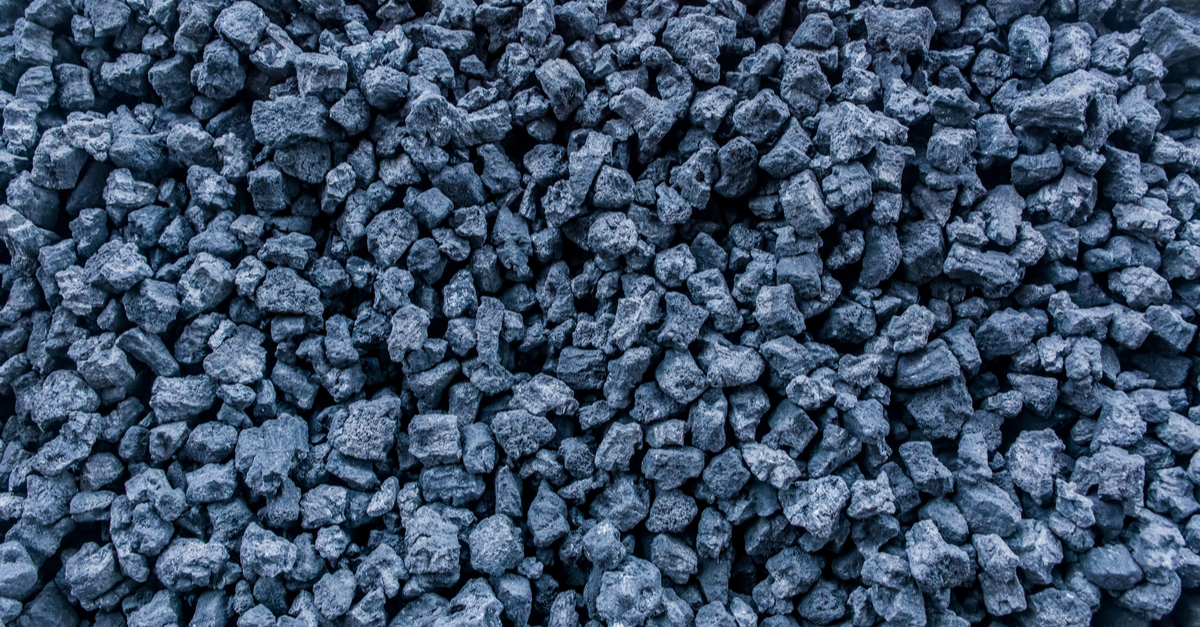
In May, China imported 11.1 million tonnes of coking coal, which was 1.4% less than in April, but 50.9% more than last year. This is due to the steel market gradually entering a period of seasonal decline. Overall, imports for January–May rose by 24.9% year-on-year to 54.7 million tonnes, according to Kallanish.
The overall increase in imports was driven by a sharp rise in shipments from the two largest suppliers — Mongolia and Russia. Imports from Mongolia in May totalled 7 million tonnes. This is 9.6% less than in April, but 60.3% more than in May last year. Overall, for January–May, supplies rose by 66.6% year-on-year to 33.4 million tonnes.
In May, Russia exported 2.5 million tonnes of coal to China (-5.4% month-on-month, but +35% year-on-year). Over the first five months of the year, the volume of Russian imports increased by 12.2% year-on-year, reaching 14.1 million tonnes.
Supplies from Australia in May totalled 703.6 thousand tonnes (+55.7% month-on-month and +48.7% year-on-year), whilst over the first five months they reached 3.2 million tonnes (+17.1%). Imports from Canada in May rose by 73.9% compared with April (to 590.8 thousand tonnes), although this is 6.1% less than last year. In January–May, Canadian imports fell by 35.3% to 2.8 million tonnes.
At the same time, a significant decline in coke exports from China was recorded in May. The figure fell to 525,000 tonnes, which is 31.1% less than in April and 22.6% less than in May last year.
Despite the May decline, the overall results for the first five months of the year remain positive. Between January and May, China exported around 3.2 million tonnes of coke, which is 8.1% higher than the figures for the same period last year.
As reported by GMK Center, imports of coking coal from Australia and Canada are set to continue rising in June. The main reason is the accident at a coal mine in Shanxi Province, which occurred on 22 May. The explosion led to a reduction in domestic supplies of high-quality coking coal (with low sulphur and ash content, as well as high coking and strength properties). The plan is to compensate for the shortage of this raw material on the domestic market by importing specific grades of coal from Australia and Canada.
-

15 June 2026
26 June 2026
26 June 2026

26 June 2026