




News State електроенергія 89 17 June 2026
The first auction is due to take place very soon
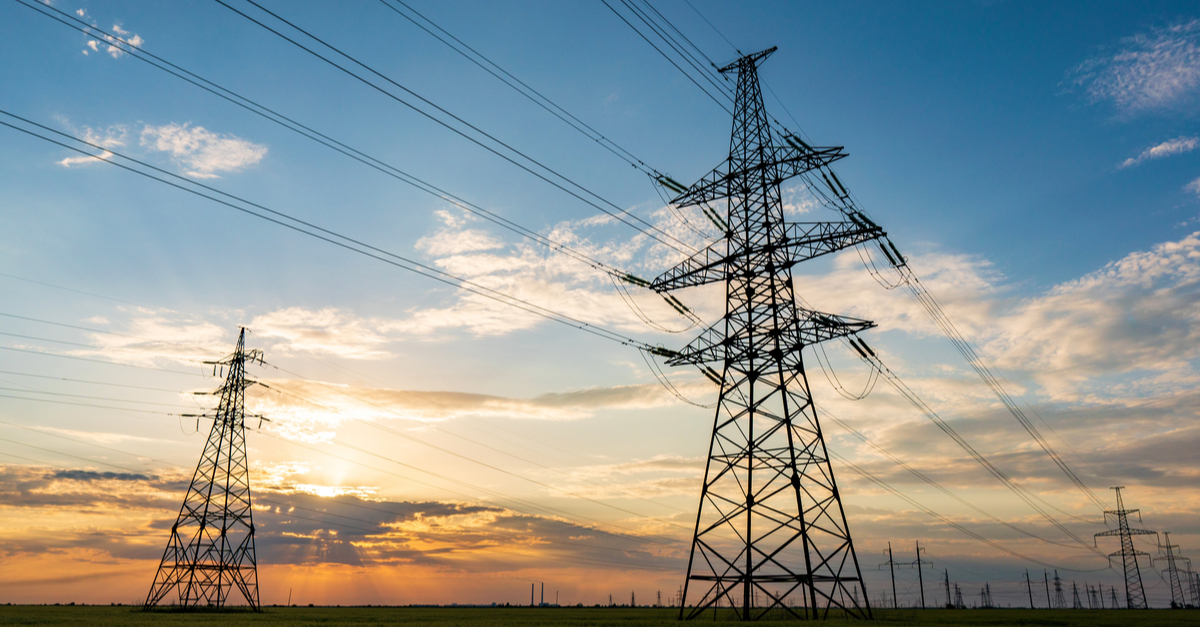
The government has decided to introduce long-term contracts on the electricity market. Industrial consumers will be able to lock in electricity prices for a quarter, half a year or a year in advance. This was announced by the Prime Minister of Ukraine, Yulia Svyrydenko.
Non-domestic consumers will be able to purchase electricity on fixed terms for a long period through transparent, competitive auctions. The first auctions are due to take place in the near future. For the pilot launch, 4% of the generation capacity of state-owned electricity producers — Energoatom and Ukrhydroenergo — will be made available: 2% through quarterly contracts, 1% through half-yearly contracts and a further 1% through annual contracts.
‘At present, electricity consumers are dependent on the short-term day-ahead market, where prices can fluctuate significantly. In winter, prices rise due to high demand, whilst in the spring and summer months they fall. The new mechanism makes it possible to fix prices and supply volumes in advance, and to plan expenditure, investment and production. For electricity producers, this also means predictable revenues, clear operating conditions and protection against falling prices during months of surplus,” said Yulia Svyrydenko.
Such long-term contracts are standard practice in EU countries. They help attract funding for new energy projects, as banks are more willing to lend when there is a guaranteed buyer and a clear price for the future.
As reported by GMK Center, the government has put together a package of measures to support industry. This included long-term electricity supply contracts – the option to contract not on the day-ahead market, but on a quarterly, half-yearly or annual basis with Energoatom and other suppliers. It also included the introduction of special auctions by Energoatom offering a special tariff for energy-intensive enterprises.
-

15 June 2026

17 June 2026
15 June 2026
15 June 2026