




News Global Market Kazakhstan 1327 30 April 2026
Since it was first introduced, the ban has been extended at least 10 times
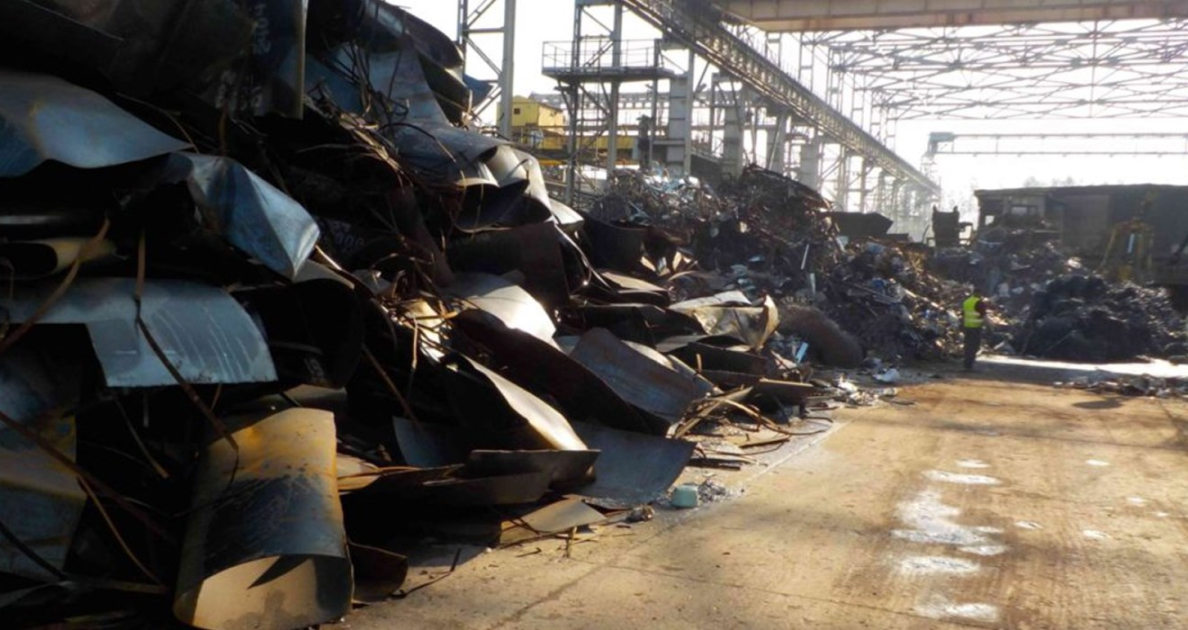
Kazakhstan has extended the ban on the export of waste and scrap from ferrous and non-ferrous metals for six months. The relevant government decree takes effect on May 1 of this year. The ban applies to the export of raw materials by all modes of transport. This was reported by Kallanish.
The restrictions apply to ferrous scrap, copper, aluminum, lead, and used batteries. Specifically, this includes products under code 7204 (ferrous scrap and ingots for remelting), as well as those under code 7302, which includes railway infrastructure components: rails, bolts, and sleepers. In addition, the restrictions apply to various types of steel pipes and hollow sections (codes 7304, 7305, 7306), particularly large-diameter pipes (over 406.4 mm).
The list also includes all parts of locomotives and rolling stock (code 8607). The order separately regulates the export of used rolling stock components sent for repair. Such parts, including bogies and mechanical devices, may be exported and re-imported exclusively by road transport, provided there is strict documentary evidence and compliance with established deadlines.
The history of the ban on scrap exports from Kazakhstan has been ongoing for eight years. In October 2018, an official ban on the export of scrap by road transport was introduced, and in May 2020, the restrictions were extended to rail transport.
Since its introduction, the ban has been extended at least 10 times through regular renewals. The restrictions were last extended in October of last year.
It is worth noting that the ban does not apply to member countries of the Eurasian Economic Union (including Russia), which is the destination for the majority of legal scrap shipments from Kazakhstan.
As reported by GMK Center, last year steel production in Kazakhstan increased by 3.9% compared to 2024, reaching 4.27 million tons. Flat steel production over the past year grew by 6.4% year-on-year, reaching 2.88 million tons.
As a reminder, China’s Fujian Hengwang Investment plans to build a $1.2 billion steel mill in Kazakhstan with a capacity of up to 3 million tons of steel per year. The project is expected to create about 2,500 jobs and will be geared toward both the domestic market and exports.
-

15 June 2026
23 June 2026

23 June 2026
23 June 2026