




News Global Market CBAM 1899 06 April 2026
The association is calling for the mechanism to be expanded, loopholes to be closed, and support for decarbonization to be accelerated
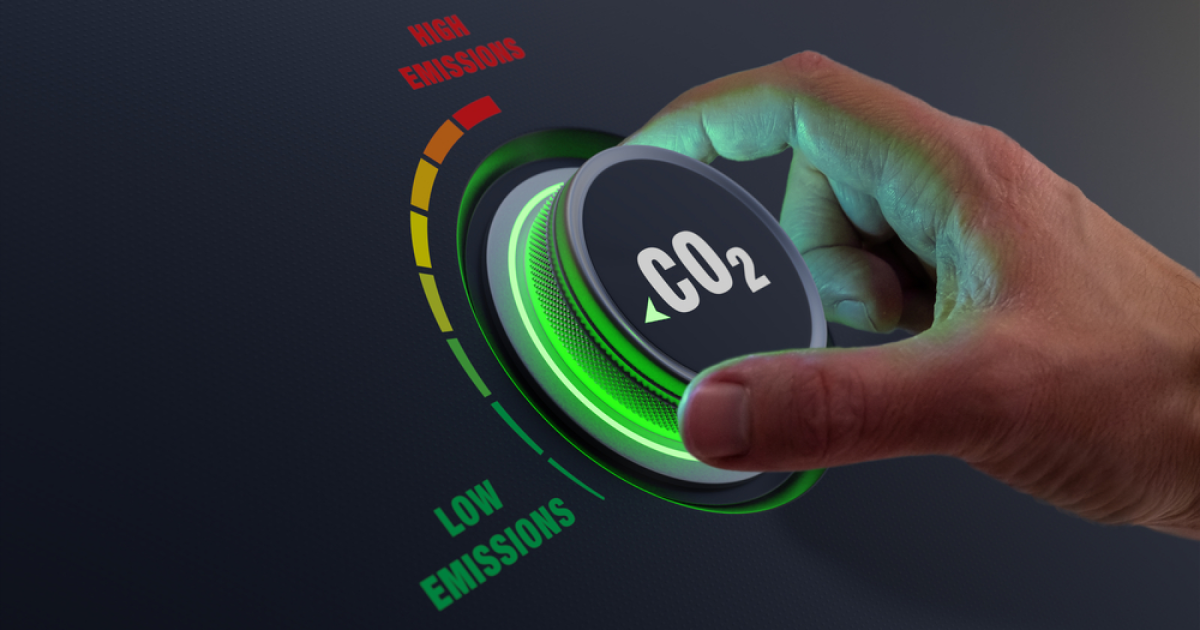
The European Steel Association (EUROFER) has released proposals for urgent revisions to the EU’s Carbon Border Adjustment Mechanism (CBAM) ahead of the publication of the first carbon credit prices. This marks a new phase in the mechanism’s operation, as on April 7, 2026, the European Commission is set to announce the CO2 price that importers, particularly of steel, will pay when bringing products into the EU.
EUROFER noted that financial obligations under the CBAM took effect on January 1, 2026, and the upcoming publication will serve as the first clear indicator of the mechanism’s actual cost for importers. The association reaffirmed its support for CBAM as a key tool to prevent carbon leakage and as an incentive for the decarbonization of the steel industry, but emphasized that the current model contains a number of critical gaps.
EUROFER Deputy Director General Adolfo Aiello stated that, if properly designed, the CBAM could simultaneously support climate policy and European industry. At the same time, he noted that the current shortcomings create a risk not of reducing emissions, but merely of shifting them outside Europe. This is particularly acute against the backdrop of a record global surplus of steelmaking capacity and a new surge in energy prices due to geopolitical tensions.
EUROFER calls for expanding the scope of the CBAM to cover a broader range of products in lower-tier categories, introducing mandatory standard values for goods and countries at high risk of manipulation, accelerating and expanding the temporary decarbonization fund, and establishing a permanent solution for exports as soon as possible. In addition, the association proposes strengthening the traceability of steel, rejecting simplified procedures for exempting certain goods and countries from the mechanism, aligning CBAM rules on international credits with the EU ETS system, and removing the exemption for processing within the customs territory.
EUROFER believes that without such changes, CBAM risks failing to ensure a level playing field for European steel producers and undermining both the EU’s climate and industrial goals.
As a reminder, CBAM will lead to significant losses for the Ukrainian economy: the decline in GDP resulting solely from the reduction in iron and steel exports (taking supply chains into account) will reach 2.1% by 2030. This forecast stands in sharp contrast to the European Commission’s estimate of -0.01% of GDP.
-

15 June 2026
23 June 2026
23 June 2026
23 June 2026