
News Infrastructure energy 6697 17 November 2025
The decision provoked mixed reactions in the energy sector
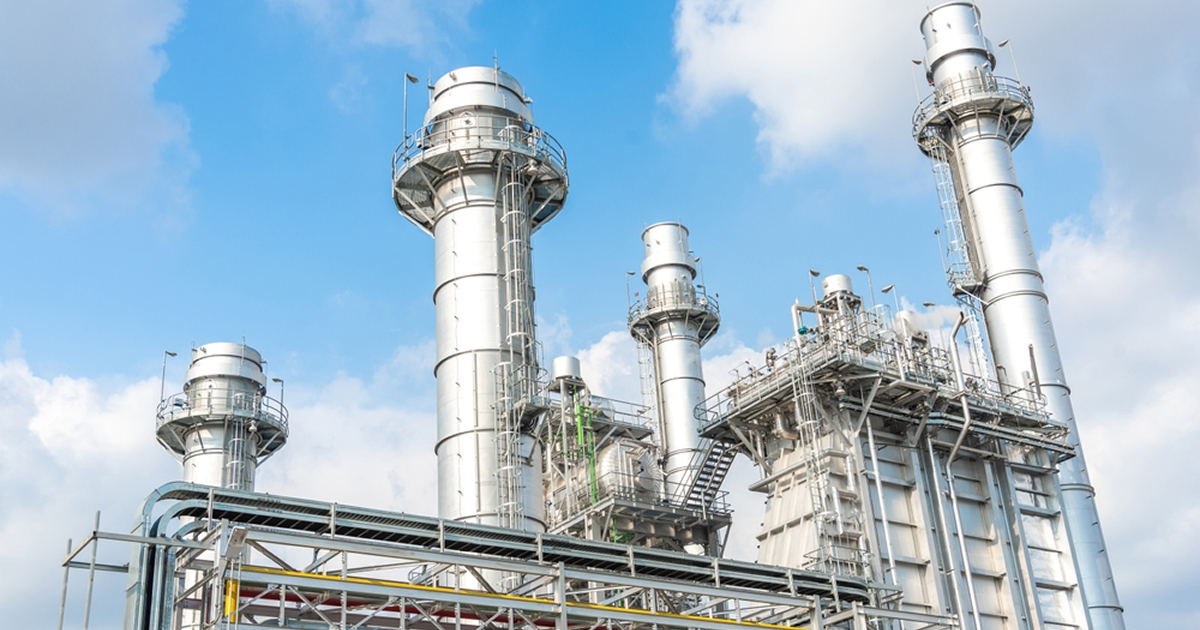
Germany has reduced the amount of gas energy capacity it plans to develop to 10 GW, which is about half of what was planned at the beginning of the year, according to Reuters.
In this way, the country is seeking to strike a balance between decarbonization and support for renewable energy sources.
The decision was made by the government last week as part of a compromise between supporters of a faster energy transition and those who fear that industry will suffer without reliable supplies of cheap energy.
As German Chancellor Friedrich Merz noted, the tenders will specify that the new power plants must be technically capable of running on hydrogen.
He said the European Commission is inclined to accept the new plans, which also include a commitment to build an additional 2 GW of capacity using any technology.
Tenders for 8 GW will be announced next year, and the new capacity will be commissioned by 2031. The conditions will require new power plants to become carbon neutral by 2045.
In 2026 and 2027, a tender will be held for the installation of another 2 GW of capacity, which will initially run on gas but must be quickly converted to hydrogen fuel. Another technology-neutral tender is planned for 2029.
The government coalition’s decision to build new gas-fired power plants has sparked controversial reactions in the energy sector, writes Handelsblatt. On the one hand, managers of large energy companies welcome its adoption. On the other hand, it is noted that too little capacity is planned. For example, Steag Iqony spokesperson noted that 8-12 GW will be insufficient for an industrially developed country like Germany in the long term.
In October, the country’s Federal Audit Office stated that Germany’s hydrogen strategy needs to be adjusted in order to achieve the 2030 targets for domestic production of green hydrogen.