




News Global Market India 1305 11 June 2026
According to Indian officials, steel production volumes should be assessed in relation to the size of the population
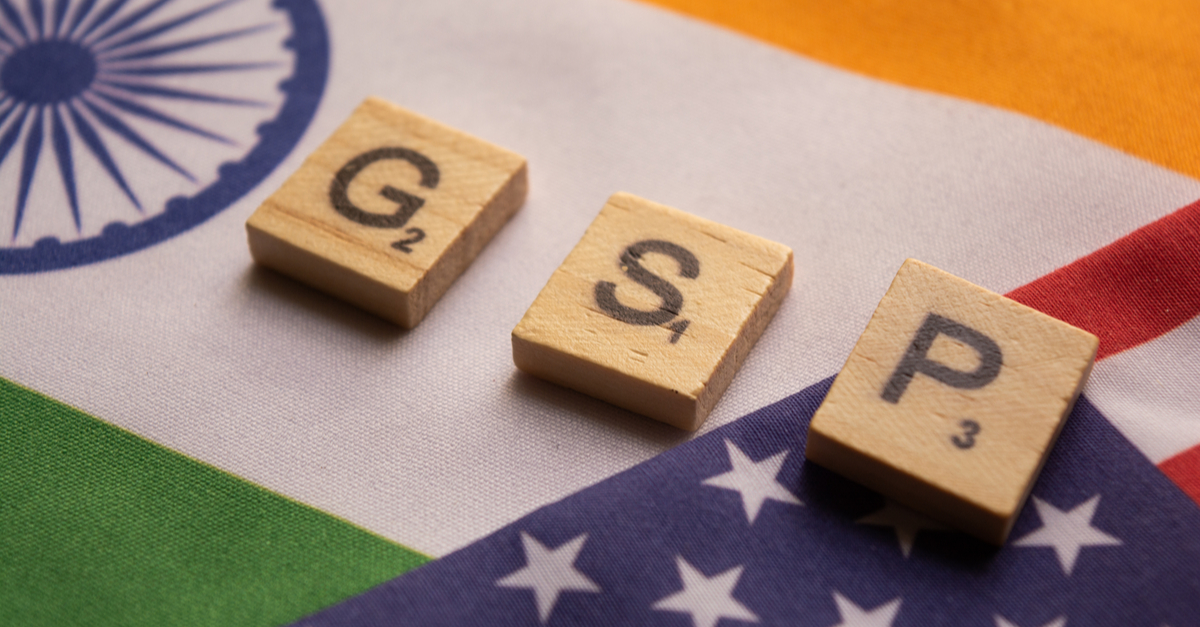
India does not have excess production capacity in the textile and steel industries, despite claims made in the US Trade Representative’s (USTR) Section 301 investigation. Washington had previously claimed that there was structural overcapacity in Indian industry — ranging from solar modules to textiles — and highlighted India’s trade surplus with the US, which stood at $42 billion in 2025. This was reported by Reuters.
India’s Additional Secretary for Trade, Amitabh Kumar, noted that textile and steel production volumes should be assessed in light of population size, domestic demand and the country’s growth needs, rather than in absolute terms. He emphasised that per capita consumption of textiles (particularly synthetic fibres) and steel in India remains among the lowest in the world. Therefore, current steel production volumes merely meet the country’s development needs.
According to global trade analysts, Washington is using the threat of Section 301 tariffs to force New Delhi to open its markets to American agricultural products, as well as to increase purchases of energy resources and defence goods from the US.
The US is currently considering several leverage points:
- Tariffs over forced labour. This month, the US proposed an additional 12.5% tariff on imports from India and other countries over the alleged use of forced labour. The Indian side noted that this decision is not final, as negotiations are ongoing.
- Tariffs over excess capacity. The USTR is exploring the possibility of imposing a separate tariff, arguing that Indian textile exports are harming the US industry.
New Delhi is seeking to conclude a trade agreement with the US to secure preferential tariffs compared to its competitors, but negotiations are being complicated by US investigations. These were launched in March against 16 countries over subsidies and state funding that allow factories to operate contrary to market conditions.
Despite the differences, India’s Trade Minister Piyush Goyal has stated that both sides are making rapid progress towards finalising the first part of the trade agreement, which could be agreed as early as mid-July.
It should be noted that India’s National Steel Policy 2025 sets a target to expand steel production capacity to 400 million tonnes by the 2035/2036 financial year. To achieve this, the country will require capital investment of $183 billion. According to India’s Ministry of Steel, steel production in the country for the 2025/2026 financial year (ending 31 March) is estimated at 168.4 million tonnes (+10.7% year-on-year).
-

Opinions Industry steel consumption
13 July 2026
24 July 2026

24 July 2026
24 July 2026