




News Infrastructure rail transportation 649 15 April 2026
A sufficient fleet is critical to postwar reconstruction
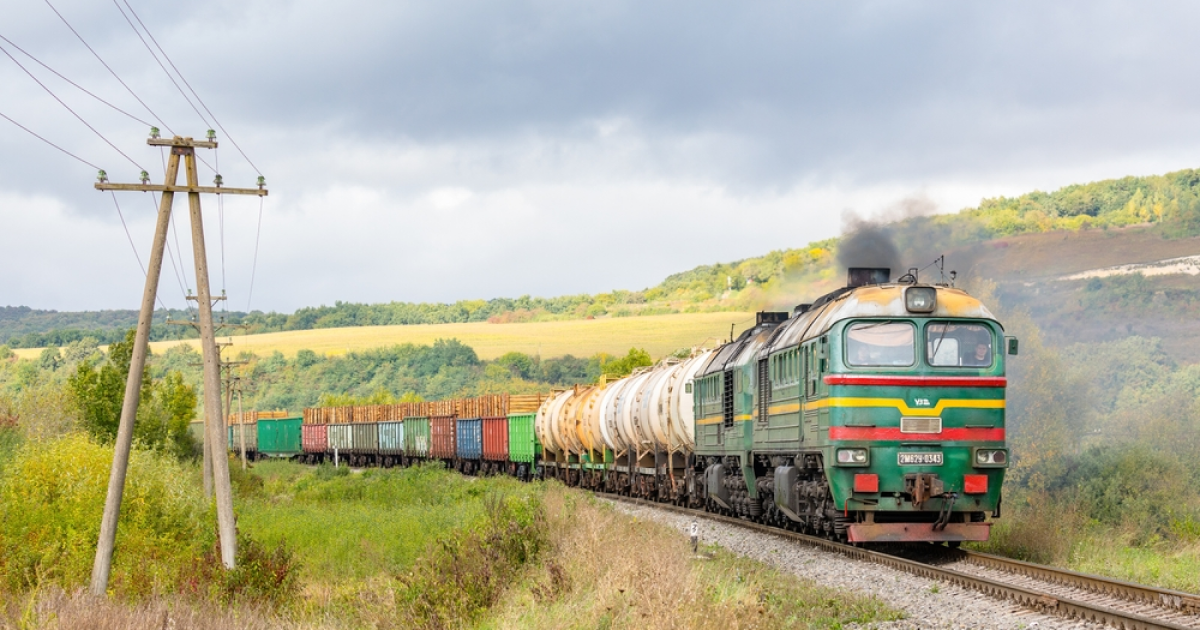
Representatives of Ukraine’s mining and steel sector have appealed to the government to lift restrictions on the service life of freight cars. The Ukrmetallurgprom Association sent a letter to this effect to Deputy Prime Minister for Recovery and Minister of Community and Territorial Development Oleksiy Kuleba, according to UNIAN.
The appeal emphasizes the need to revise Ministry of Infrastructure Order No. 647. The document imposes restrictions on the service life of railcars.
According to Ukrzaliznytsia, 67,800 railcars will be taken out of service between 2026 and 2031, of which approximately 42,000 belong to the company’s own fleet. In particular, their number may decrease from 84,600 this year to 45,000 in 2031. For example, the fleet of open-top railcars will decrease from 32,700 to 15,000 during this period.
According to estimates by Ukrmetallurgprom, 28,700 railcars from the active fleet will be scrapped by 2031, representing a further 30% reduction. Such a scale of losses cannot be offset either through domestic production or imports.
The appeal states that replacing the decommissioned fleet would require approximately $1.8 billion in investments. However, given the war and limited resources, this is unrealistic. Furthermore, production capacity does not allow for the manufacture of nearly 29,000 new railcars within a short timeframe, and the loss of part of the country’s steel base further complicates the situation.
At the same time, the reduction in the railcar fleet will occur against the backdrop of an expected increase in freight volumes of at least 30% during the country’s recovery period. According to industry estimates, this will lead to a structural shortage; specifically, the shortage of open-top railcars could reach 24,700 units.
The consequences predicted by the industry association include the inability to transport the necessary volumes of cargo, rising railcar rental costs, increased logistics expenses, and a decline in the competitiveness of Ukrainian manufacturers in foreign markets.
For the economy, this could mean a slowdown in industrial recovery, a decline in exports, foreign exchange earnings, and tax revenues, as well as job losses. Additionally, for the security sector, a shortage of railcars could limit the transport of strategic and military cargo.
Ukrmetallurgprom emphasized that a sufficient fleet of railcars is critically important for post-war reconstruction, particularly for the transportation of construction materials, steel, and power equipment. In the event of a shortage, this could become a “bottleneck” for the implementation of infrastructure projects.
As noted, in global practice, railcars are not decommissioned solely based on age—in the U.S. and EU countries, the primary criterion is technical condition. The industry proposes abandoning service life limits and returning to a model of decommissioning railcars based on their technical condition.
Ukrmetallurgprom has drafted corresponding amendments to the legislation and is calling on the government to support this initiative.
As a reminder, rail freight transport for the mining and metals sector fell by 3% last year, to 37 million tons. By the end of 2024, there was a jump of 57% to 38.2 million tons.
Представники ГМК України звернулися до уряду з вимогою скасувати обмеження строку експлуатації вантажних вагонів. Відповідний лист ОП «Укрметалургпром» адресувало віце-прем’єру з відновлення – міністру розвитку громад та територій Олексію Кулебі, повідомляє УНІАН.
У зверненні наголошується на необхідності перегляду наказу Мінінфраструктури №647. Документ передбачає обмеження строку експлуатації вагонів.
За даними «Укрзалізниці», у 2026–2031 роках з експлуатації вибуде 67,8 тис. вагонів, з яких близько 42 тис. – парк самої компанії. Зокрема, їх кількість може скоротитися з 84,6 тис. цьогоріч до 45 тис. у 2031-му. Наприклад, парк піввагонів у зазначений період зменшиться з 32,7 тис. до 15 тис.
За оцінками «Укрметалургпрому», до 2031 року під списання підпадає 28,7 тис. вагонів робочого парку, що означає скорочення ще на 30%. Такий обсяг втрат не може бути компенсований ані шляхом внутрішнього виробництва, ані імпорту.
Для заміщення вибулого парку, йдеться у зверненні, потрібно близько $1,8 млрд інвестицій. Проте в умовах війни та обмежених ресурсів це є нереалістичним. Крім того, виробничі потужності не дозволяють у стислі строки виготовити майже 29 тис. нових вагонів, а втрата частини металургійної бази країни додатково ускладнює ситуацію.
Водночас скорочення парку вагонів відбуватиметься на тлі очікуваного зростання обсягів перевезень щонайменше на 30% у період відновлення країни. За оцінками бізнесу, це призведе до структурного дефіциту, зокрема нестача піввагонів може сягнути 24,7 тис. одиниць.
Наслідки, які прогнозує галузева асоціація – неможливість забезпечити перевезення необхідних обсягів вантажів, зростання вартості оренди вагонів, підвищення логістичних витрат і зниження конкурентоспроможності українських виробників на зовнішніх ринках.
Для економіки це може означати сповільнення відновлення промисловості, скорочення експорту, валютних надходжень і податкових платежів, а також втрату робочих місць. Окремо існує для сектору безпеки – дефіцит вагонів може обмежити перевезення стратегічних і військових вантажів.
«Укрметалургпром» наголосив, що достатній парк вагонів є критично важливим для післявоєнної відбудови, зокрема для транспортування будматеріалів, металу та енергообладнання. У разі його дефіциту це може стати «вузьким місцем» для реалізації інфраструктурних проєктів.
Як зазначається, у світовій практиці вагони не списують лише за віком – у США та країнах ЄС основним критерієм є технічний стан. Галузь пропонує відмовитися від граничних строків експлуатації та повернутися до моделі списання вагонів за їх технічним станом.
В «Укрметалургпромі» розробили відповідні зміни до законодавства і закликають уряд підтримати цю ініціативу.
Нагадаємо, що залізничні перевезення вантажів ГМК минулого року скоротилися на 3%, до 37 млн т. За підсумками 2024-го спостерігався стрибок одразу на 57%, до 38,2 млн т.
-

Opinions Industry macroeconomics
28 May 2026
04 June 2026
02 June 2026

01 June 2026