

News Global Market sea transportation 221 10 June 2026
For dry cargo ships, the surcharge will double
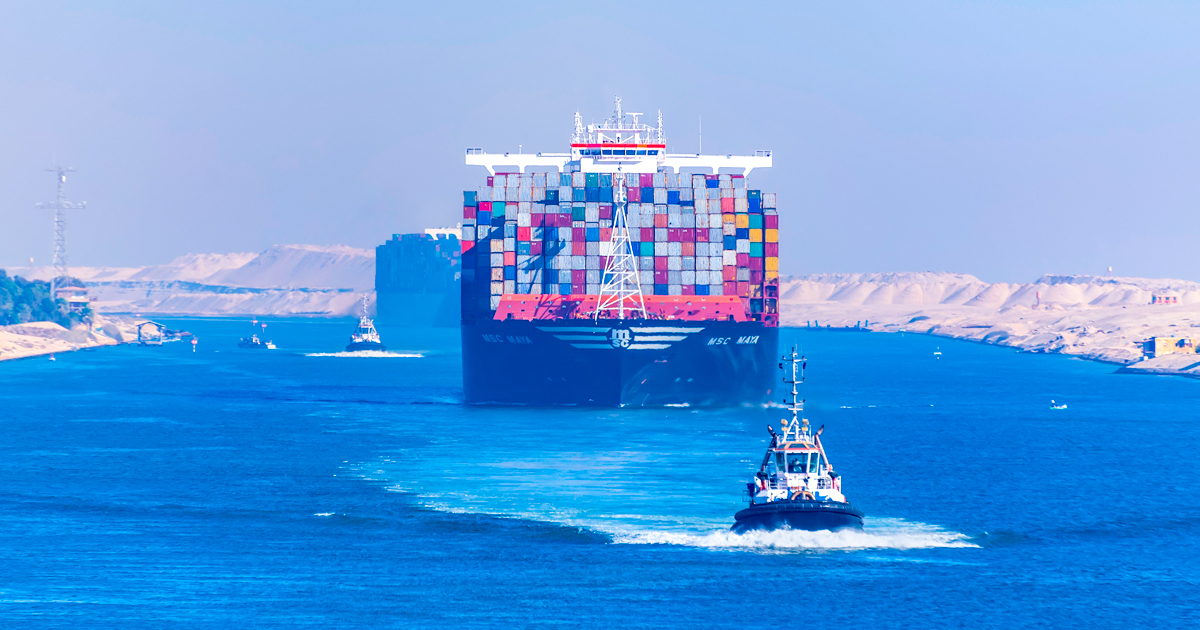
The Suez Canal Authority (SCA) is increasing additional fees for most types of vessels from 15 July. This is the first major tariff adjustment in the last three years, driven by current market conditions. This was reported by Maritime Executive.
The new surcharge rates are broken down by vessel category:
- Oil and petroleum product tankers: for loaded vessels, the surcharge will rise to 37% from 25%; for ballast vessels, to 27% from 15%.
- Gas carriers and chemical tankers: the surcharge for LNG and chemical carriers will rise to 32% from 20%, and for LPG carriers to 19% from 7%.
- Bulk carriers: surcharges for dry bulk cargo will more than double — to 22% from 10%.
- Container ships: the surcharge will be 12%, but the current multi-tiered fee structure for this segment will remain unchanged.
- General cargo, heavy cargo and ro-ro: fees will rise to 26% from 14%.
- Car carriers: the surcharge will be 26% for northbound voyages and 12% for southbound voyages.
The basic tariff structure, unchanged since 2024, remains in place.
The new rules will apply to vessels commencing transit on 15 July or later. SCA emphasised that these measures are temporary and may be adjusted or cancelled depending on future conditions in the maritime market.
It should be noted that iron ore freight rates in May 2026 fluctuated within a narrow range. On the Tubarao (Brazil) – Qingdao (China) route, as of 22 May, they stood at $36.15/t, 2% lower than the figure a week earlier ($37/t). Meanwhile, rates on the Western Australia–Qingdao route stood at $15.25/t, slightly higher than the previous week’s level ($15.45/t). Over the month – since 24 April – they have risen by 17.3%.