




News Global Market Італія 1127 22 July 2026
The trade unions believe that this hasty repair does not resolve the plant’s technical problems
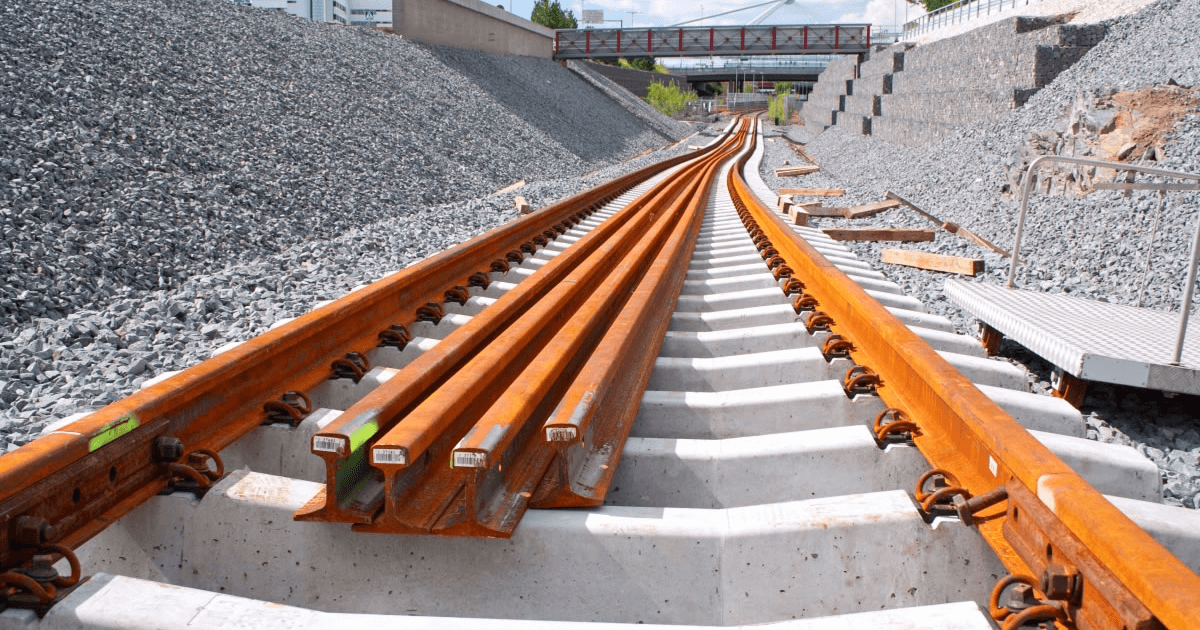
Production has resumed at the rail rolling mill of the Italian subsidiary of the Indian company JSW Steel in Piombino. The plant had been shut down since 16 July due to equipment failure. This was reported by Kallanish.
The shutdown was caused by the successive failure of two of the mill’s motors. One of them had broken down earlier and remains out of action, whilst the other failed last week, bringing the plant to a complete standstill.
Local trade unions had planned to hold a strike over the weekend, demanding that full scheduled maintenance be carried out before the line was restarted. However, the protest was thwarted: some of the temporarily laid-off workers agreed to work at the weekend for extra pay and repaired one of the engines.
Trade union representatives are critical of this move and point out that such a ‘quick fix’ does not resolve the fundamental problems. Operating the equipment in a constant state of emergency increases safety risks for workers, leads to the production of defective goods and increases the amount of waste. In the view of the workforce, the company is deliberately avoiding the necessary investment in modernisation, whilst waiting to secure state subsidies.
At present, the rail mill remains the site’s only operational key asset, supplying products to the Italian national railway operator, Ferrovie dello Stato. Other facilities — the wire rod and light-gauge mills, acquired by JSW from the previous owner, Cevital — had already been completely shut down.
As reported by GMK Center, the rail rolling mill at JSW Steel’s Italian subsidiary in Piombino has been completely shut down since 16 July due to serious technical faults. Owing to a chronic lack of proper maintenance, the plant’s workers have planned a strike. The workforce’s main demand is the development and implementation of a scheduled maintenance programme prior to the resumption of production.
-

Opinions Industry steel consumption
13 July 2026
23 July 2026
23 July 2026

23 July 2026