




News Global Market auto industry 4393 15 December 2025
Brussels considers postponing or revising rules amid competition with China and differences between countries
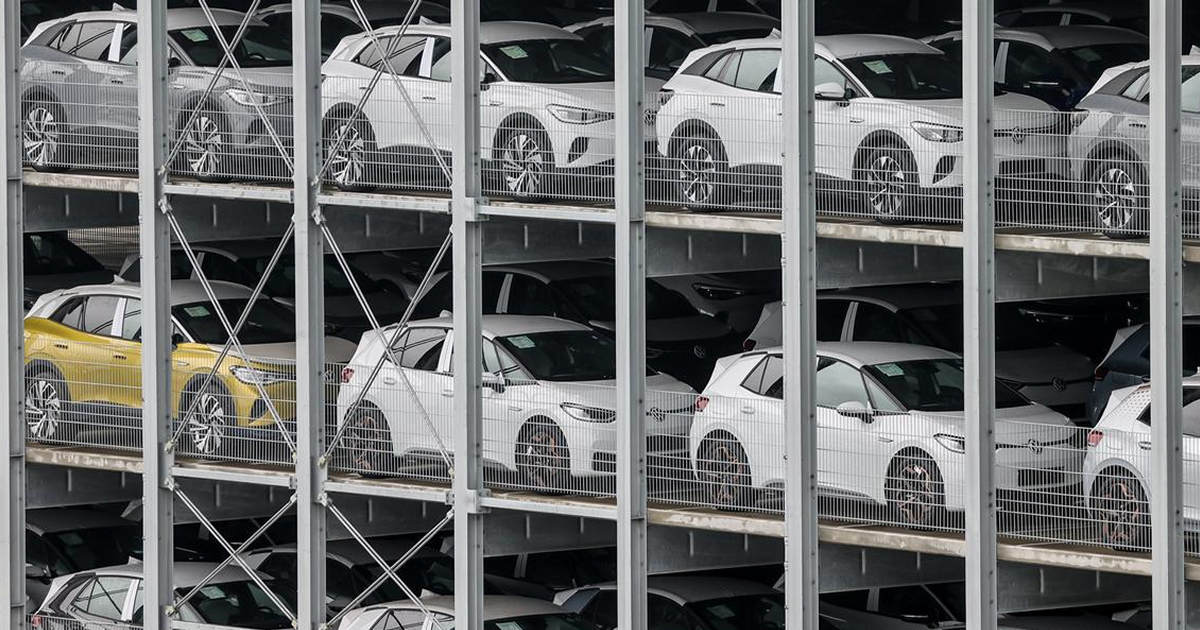
The European Commission (EC) is preparing to review the effective ban on the sale of new cars with internal combustion engines (ICE) from 2035, which could be the EU’s biggest departure from its “green course” in the last five years. This was reported by Reuters.
According to sources, Brussels is considering options to postpone the requirements for five years or soften them indefinitely under pressure from Germany, Italy, and leading European automakers.
Current legislation, adopted in 2023, requires that only zero-emission cars be sold in the EU from 2035. Car manufacturers argue that the transition to electric vehicles has been slower than expected due to high prices for consumers, insufficient charging infrastructure, and weak consumer demand, while competition from Chinese and American manufacturers is intensifying. The industry insists on a multi-technology approach that would allow the continued use of hybrids, e-fuels, and biofuels.
At the same time, the possible revision of the rules has drawn sharp criticism from part of the market and some governments. Spanish Prime Minister Pedro Sánchez has called on the European Commission not to weaken the ban, warning that this could lead to delayed investment, job losses, and undermine plans to build a strong electric vehicle industry in Europe. Environmental organizations also emphasize that backing away from the 2035 target will undermine investor confidence and further distance the EU from its climate goals.
The European Commission is expected to present its proposals in the near future. They may include a relaxation of emission targets, incentives for corporate fleets, and new regulatory categories for small electric vehicles.
It should be noted that in its latest report, EUROFER improved its forecasts for production dynamics in the EU automotive industry in 2025, expecting a 3.8% y/y decline instead of the previous 4.3% y/y. Despite the slight improvement, the overall outlook for the sector remains subdued due to persistent structural problems and external risks.
-

15 June 2026
22 June 2026
22 June 2026
22 June 2026