




News Global Market EU 2068 30 April 2026
The new crisis relief mechanism allows for the reimbursement of electricity costs through the end of 2026
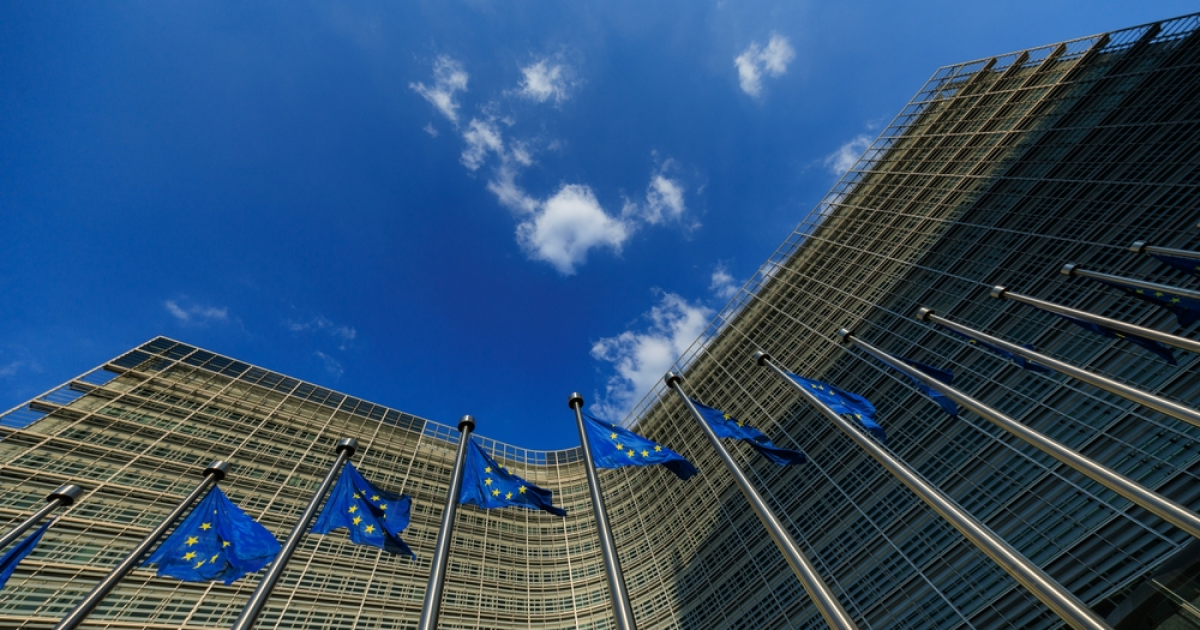
The European Commission (EC) has approved a new temporary state aid framework in response to the escalating energy crisis caused by the conflict in the Middle East. Known as the Middle East Crisis Temporary State Aid Framework, it provides member states with additional tools to support energy-intensive sectors, particularly the steel industry, through the end of 2026.
The new approach expands opportunities for compensating electricity costs for companies most affected by rising prices. In particular, for the first time, it allows combining the electricity cost compensation mechanism with an industrial electricity tariff, which was previously restricted by national regulations.
The German industry association WV Stahl has welcomed the European Commission’s decision. According to the organization’s managing director, Kerstin Maria Rippel, the new crisis instrument creates the necessary leeway to reduce energy costs, which remain a key factor in the loss of competitiveness of the European steel industry.
At the same time, the industry emphasizes that this is only a temporary solution. High electricity prices in the EU are structural in nature and require long-term changes. Among the priorities is the ability to fully integrate support mechanisms and extend them to the entire volume of electricity consumption.
The association emphasizes that the competitiveness of European industry requires stable electricity prices. The target benchmark is set at around €50/MWh, including all fees and taxes. These conditions are viewed as the necessary foundation for investments in decarbonization and the preservation of production in the EU.
As a reminder, in late February, the European Commission approved a €1.1 billion state aid scheme for France to support strategic investments that add clean technology production capacity.
-

Opinions Industry steel consumption
13 July 2026

24 July 2026
24 July 2026

24 July 2026