




News Companies Tata Steel 975 13 May 2026
The partnership involves new solutions for cement and concrete that reduce CO2 emissions
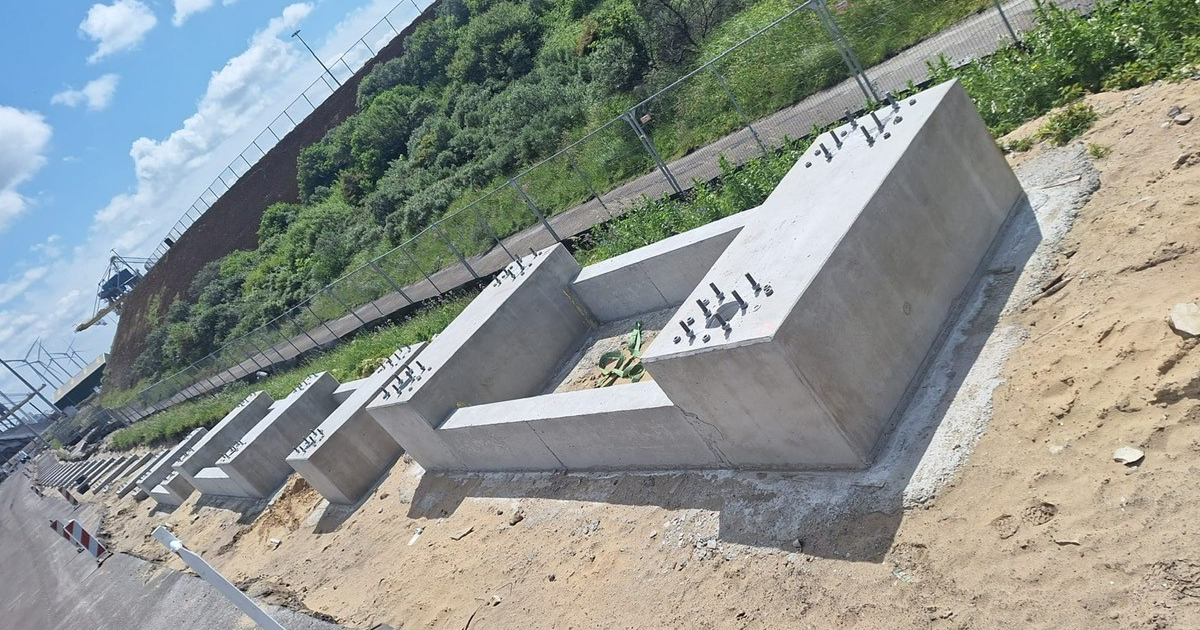
Tata Steel IJmuiden and Ecocem have signed a cooperation agreement to develop new ways of using steelmaking slag in the production of cement and concrete. The initiative aims to reduce CO2 emissions and support the transition to a circular economy in the construction industry, according to a press release.
The companies plan to expand the use of steel production by-products, which are currently used to a limited extent. Specifically, this refers to BOF and EAF slags, which could serve as alternative raw materials for cement, mortars, and concrete. Unlike blast furnace slag, which is already widely used, these materials have so far been barely integrated into construction processes.
As part of the partnership, the parties intend to transform these by-products into valuable resources. This will reduce the use of primary raw materials and lower the carbon footprint of construction materials. The new solutions are also expected to expand options for construction companies seeking to reduce the environmental impact of their projects.
Tata Steel notes that the effective use of slag is a key component of the Groen Staal project, which aims to decarbonize production. According to company representatives, the development of such technologies will make building materials more environmentally friendly and improve resource efficiency.
Ecocem emphasizes that the collaboration opens up opportunities to scale alternatives to traditional cement. This, in turn, will help reduce emissions in the construction sector and accelerate the transition to more sustainable production practices in Europe.
As a reminder, in 2024, the European Union produced 38 million tons of metallurgical slag, of which 35 million tons, or 92%, were used in industry and construction. Blast furnace slag accounted for the largest share—21.5 million tons—with a reuse rate of 100%.
-

Opinions Industry steel consumption
13 July 2026
23 July 2026
22 July 2026
21 July 2026